“Blessed is he who plants trees under whose shade he will never sit.”
Last winter, a colleague forwarded that line during a brutal week. She added no context, just the quote. I read it on my phone beside a sink full of dishes. Meanwhile, my calendar kept filling with deadlines that helped everyone else. For a moment, the words felt like a dare.
I almost dismissed it as a recycled poster slogan. However, the quote kept returning at odd times. It showed up when I mentored a new hire. It echoed when I helped my dad sort old photos. So I started digging, because a line that persistent usually has roots.
Why this quote grabs us so fast
The saying flatters a specific kind of goodness. It praises work that pays off later. Additionally, it honors people who invest without applause. That idea feels rare in a culture that tracks everything. Therefore, the quote spreads easily in speeches and captions.
Yet the line also carries a tempting promise. It calls the planter “blessed,” not just “responsible.” As a result, it sounds spiritual even in secular settings. People use it to bless teachers, founders, and grandparents. In contrast, they rarely use it for quick wins.
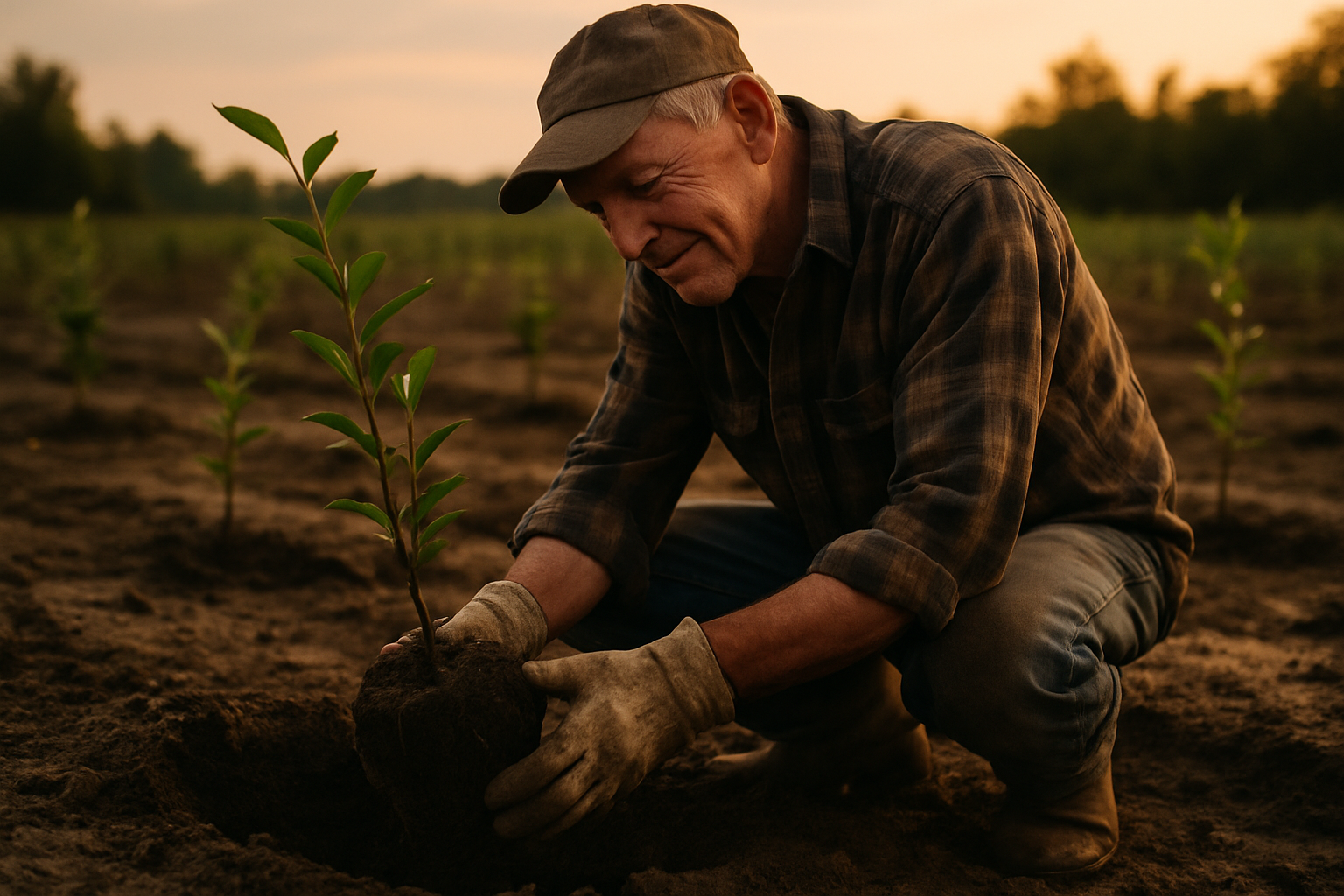
The earliest known appearance in print (the tight, familiar version)
The most recognizable wording appears in a London newspaper in 1868. The piece discussed trees, deserts, and reforestation. It also praised fast-growing eucalyptus near Algiers. In that article, the writer introduced the line as an “Indian proverb.”
That detail matters, because “proverb” implies age and anonymity. However, newspapers often used “proverb” as a credibility shortcut. Editors liked neat wisdom with a distant origin. Therefore, the label can signal style, not proof.
The same article credited a French source about eucalyptus and Algeria. It named “M. Trottier” in the acknowledgment.
So the earliest tight version arrives with two clues. First, it travels through French writing into English journalism. Second, it gains an “Indian proverb” tag in transit. That combination often produces lasting misattributions.
Historical context: why trees, why Algeria, why the 1860s
The 1860s brought intense interest in forestry and land repair. Writers debated desertification, watershed loss, and colonial agriculture. Additionally, eucalyptus fascinated Europeans because it grew quickly. That made it a symbol of human control over land.
The 1868 article framed planting as both practical and moral. It described a planter improving “the hills of Africa.” Then it pivoted to blessing and faith. As a result, the proverb worked like a moral caption. It turned forestry into a virtue story.
This context also explains the word “blessed.” Journalists in that era often mixed moral language with improvement projects. Therefore, “blessed” could mean admired, not canonized. Still, the spiritual tone helped the line stick.

Older roots: the idea existed long before the famous phrasing
Even when the wording seems modern, the concept runs ancient. Roman writers praised actions that serve later generations. Cicero quoted the playwright Caecilius Statius with a line about planting trees for another age.
That earlier thought lacks shade and blessing. However, it already nails the moral core. Someone acts now, while others benefit later. Therefore, later writers could reshape the image without changing the lesson.
English collections also carried similar proverbs by the 1700s. Thomas Fuller’s 1732 proverb collection included, “He that plants Trees, loves others besides himself.”
Fuller also recorded a walnut-tree variant about delayed rewards. The planter expects heirs to enjoy the fruit.
These lines show a pattern. Writers loved tree imagery for intergenerational ethics. Additionally, they swapped shade, fruit, and timber as needed. The metaphor stayed flexible, which helped it survive.
A key bridge: Hyacinthe Loyson and the sermon that sounds like the quote
A major stepping-stone appears in a Paris sermon from 1866. The preacher, Hyacinthe Loyson, described a farmer planting trees. He emphasized love for children and grandchildren. He also stressed that the planter would never sit in that shade.
An English translation later appeared in 1870. The translated passage keeps the same image and timing.
Loyson did not coin the compact “Blessed is he…” sentence. However, he popularized a vivid, sermon-ready version. Therefore, his phrasing may have fed the later proverb form. It also explains why people sometimes attach the quote to clergy.
Author’s life and views: who was Hyacinthe Loyson, and why did he preach this
Hyacinthe Loyson served as a prominent French Catholic preacher in the 1860s. He delivered Advent conferences at Notre-Dame in Paris.
He often focused on moral formation, family duty, and public conscience. Additionally, he spoke in a style that blended rhetoric with social critique. That mix made his images memorable. Therefore, his tree passage reads like a crafted teaching tool.
Loyson’s version also frames the planter as a “proto-farmer” figure. He loves the trees “for themselves” and for descendants. That detail matters, because it shifts the motive from legacy to love. In contrast, later versions sometimes stress status or ambition.
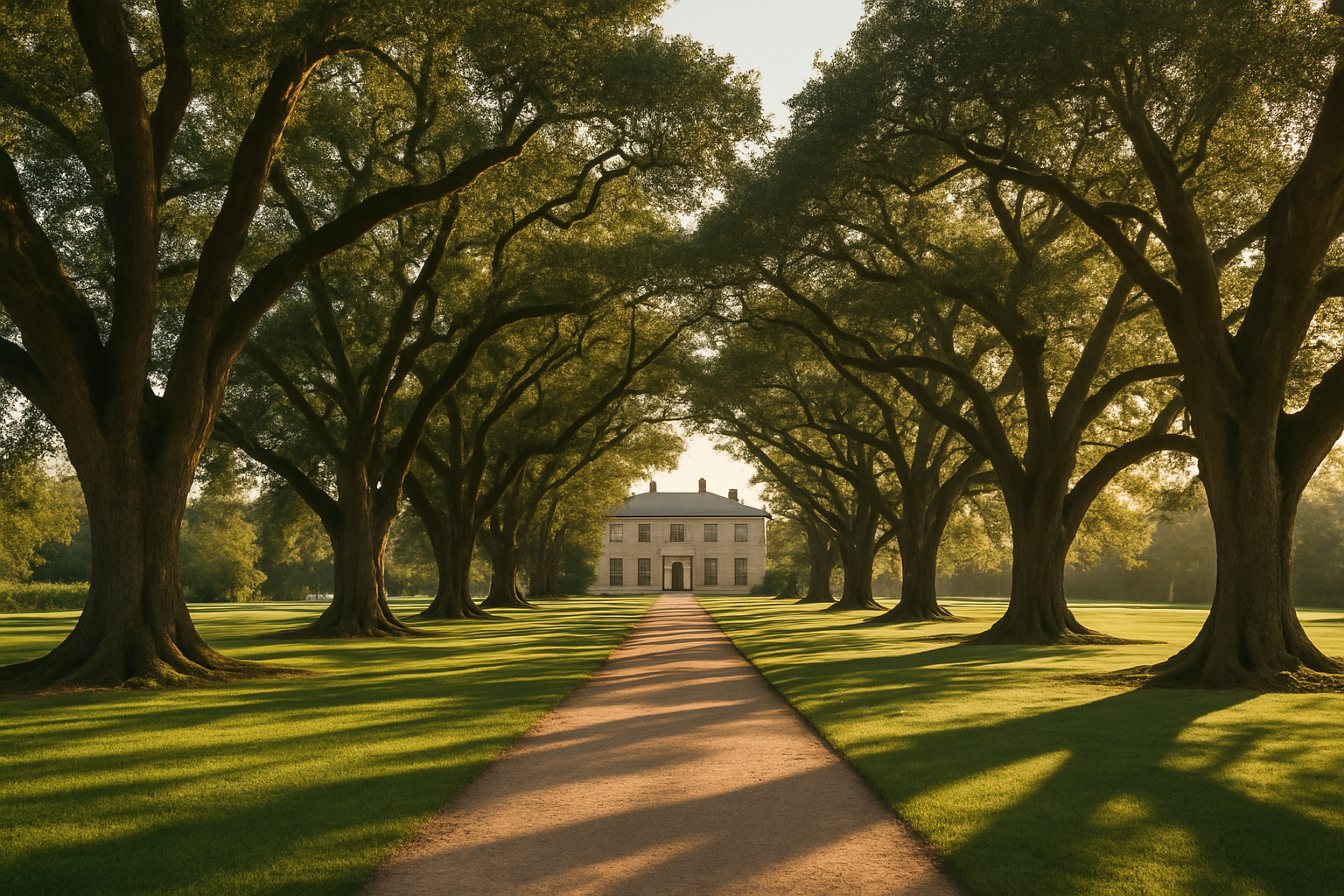
How the quote evolved into the line we share today
The quote likely evolved through compression. Long passages turn into portable sentences over time. Additionally, editors trim context to fit columns and speeches. Therefore, “These trees which he plants…” can become “Blessed is he who plants…”.
The 1868 newspaper version adds a crucial feature: a beatitude structure. “Blessed is he…” echoes biblical rhythms. That cadence makes the line easy to remember. It also makes it easy to quote in civic ceremonies.
Later writers kept reshaping the lesson. Some replaced shade with fruit. Others replaced “he” with “old men” or “a society.” As a result, the quote became a template, not a fixed artifact.
Variations and common misattributions (Greek, Indian, Cicero, Buffett, and more)
People often label the saying a Greek proverb. Others call it an Indian proverb, as the 1868 paper did.
Cicero also attracts credit, because he wrote about planting for another age. However, his surviving wording differs from the shade-and-blessing line. So the connection reflects shared ideas, not identical text.
Modern business culture adds another branch. Warren Buffett often receives credit for a related shade line. That version says someone sits in shade today because someone planted long ago.
Public health leader Joycelyn Elders also used a strong variant in 1992. She framed it as societal greatness and “old men” planting trees. She also admitted she borrowed it and forgot the source.
These misattributions happen for predictable reasons. Famous names lend authority. Additionally, the quote fits many agendas, from investing to education. Therefore, people attach it to whoever matches the moment.
Cultural impact: why this proverb keeps returning
The quote thrives because it solves a motivation problem. It gives meaning to effort without immediate reward. Moreover, it frames patience as moral success. That helps leaders encourage long projects.
You see it in urban forestry campaigns and climate messaging. You also see it in graduation speeches and nonprofit appeals. In each case, the speaker asks people to trade comfort for continuity.
The line also works as a grief companion. It lets people honor mentors whose work outlived them. Therefore, it shows up on plaques, memorials, and retirement cards.
At the same time, the quote can hide hard truths. Planting trees takes land, labor, and political stability. Additionally, not everyone gets to plan for the future equally. So the proverb can sound naive if speakers ignore those realities.
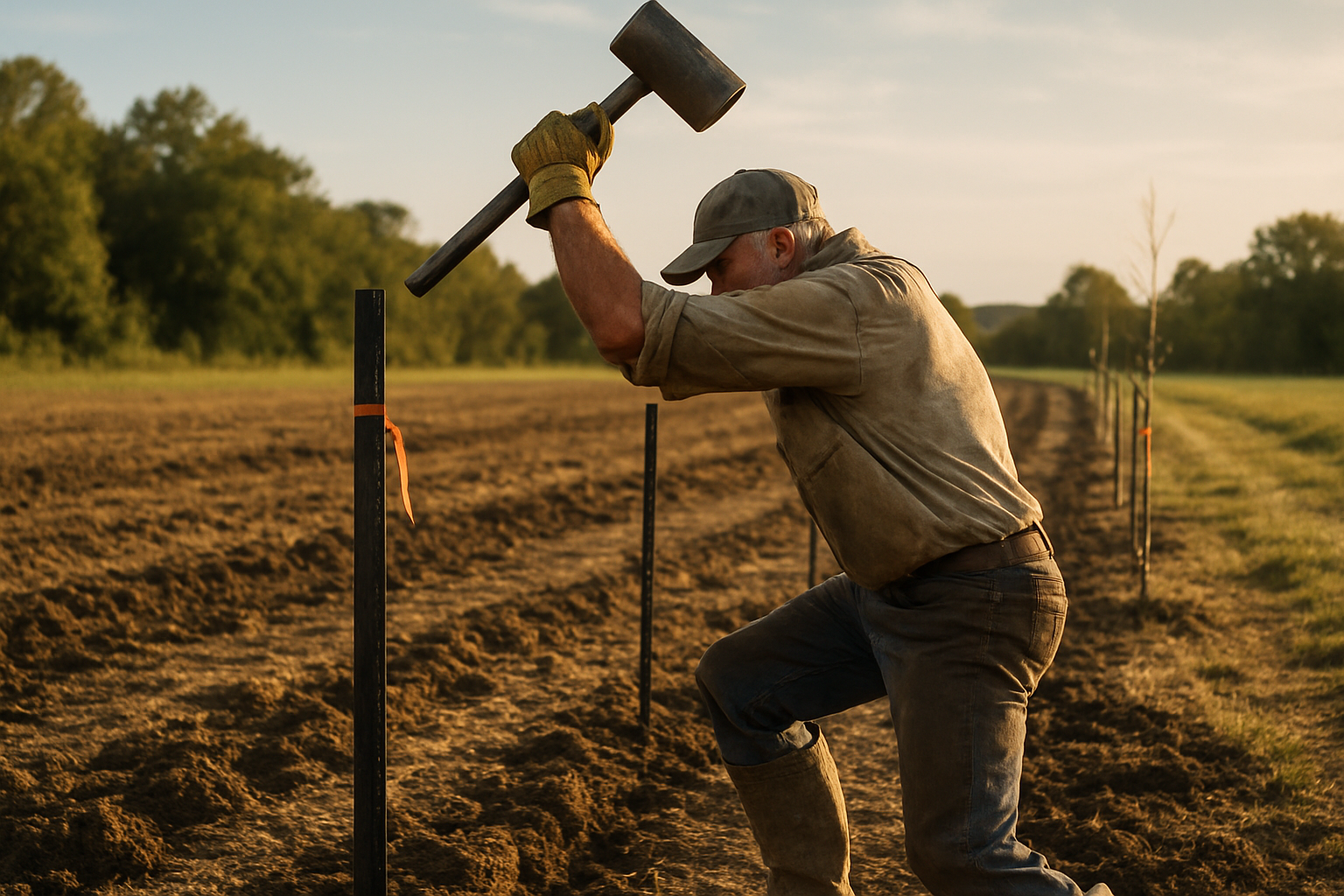
Modern usage: how to quote it accurately and responsibly
If you want maximum accuracy, treat it as an evolving proverb. You can cite the 1868 newspaper appearance for the compact English line.
If you want richer context, you can point to Loyson’s 1866 sermon imagery. Source That passage offers a fuller moral frame.
When you share it, you can also name the idea’s older ancestry. Source Cicero’s “trees for another age” shows the concept’s durability.
Finally, match the quote to action. Plant a literal tree, if you can. Mentor someone, if you can’t. Additionally, support systems that let others plan long-term. Otherwise, the line turns into decorative wisdom.
Conclusion: the shade matters, but the roots matter more
“Blessed are those who plant trees under whose shade they will never sit” didn’t drop from one author’s pen. Source Instead, it grew through centuries of shared moral imagination. Writers carried the core idea from Rome to proverb books. Preachers gave it emotion and family depth. Journalists then compressed it into the beatitude we repeat today.
The quote endures because it names a quiet kind of courage. It asks for work that outlasts our schedules. Therefore, each time you repeat it, you also choose a side. You can treat it as a caption, or you can treat it as a plan.