“Beware of fishing for compliments — you might come up with a boot.”
—
Carol Weston
It was a Tuesday afternoon, and my coworker had just spent ten minutes describing how exhausted she was after organizing the entire department presentation — alone, apparently — while glancing around the room for sympathetic nods. Nobody bit. Later, walking to the parking lot, she muttered something about how “nobody ever notices the effort.” I laughed, not unkindly, and said, “You know what they say about fishing for compliments.” She stopped walking. “What do they say?” I told her: you might come up with a boot. She was quiet for a second, then burst out laughing — because she knew, immediately and completely, that the joke had caught her. That small moment stuck with me. It made me want to understand where this sharp, funny little warning actually came from.

The quote lands because it does two things at once. First, it names a behavior most people recognize — in others, if not always in themselves. Second, it delivers the punchline with perfect comic timing. The image of someone casting a line hoping for praise, only to haul up a soggy, useless boot, is both absurd and precise. Additionally, it carries a gentle moral sting. The joke implies that false modesty is its own kind of trap. Therefore, understanding who first set that trap — and how the quote traveled through culture — turns out to be a genuinely interesting story.
—
The Earliest Known Source: Carol Weston in 1985
The trail leads back, clearly and confidently, to Carol Weston. Weston included the quip in a chapter titled “Friendship: You Don’t Like Everybody; Why Should Everybody Like You?” — which is itself a fairly sharp piece of advice-giving.
That chapter framing matters. Weston wasn’t writing a joke book. She was writing a practical, warm, and often witty guide for young women navigating friendships, self-image, and social dynamics. The boot line appeared in a section about accepting compliments gracefully. Her advice was direct: the best way to receive a compliment is to smile and say “thank you.” If you want to add something, she suggested, you can say, “That’s nice of you to say.”
The fishing-for-compliments joke served as a cautionary counterpoint. Weston essentially said: here’s how to receive praise well — and here’s what happens when you fish for it instead. The boot image punctuated the lesson perfectly. Additionally, it showed her gift for making a point memorable through humor rather than moralizing.
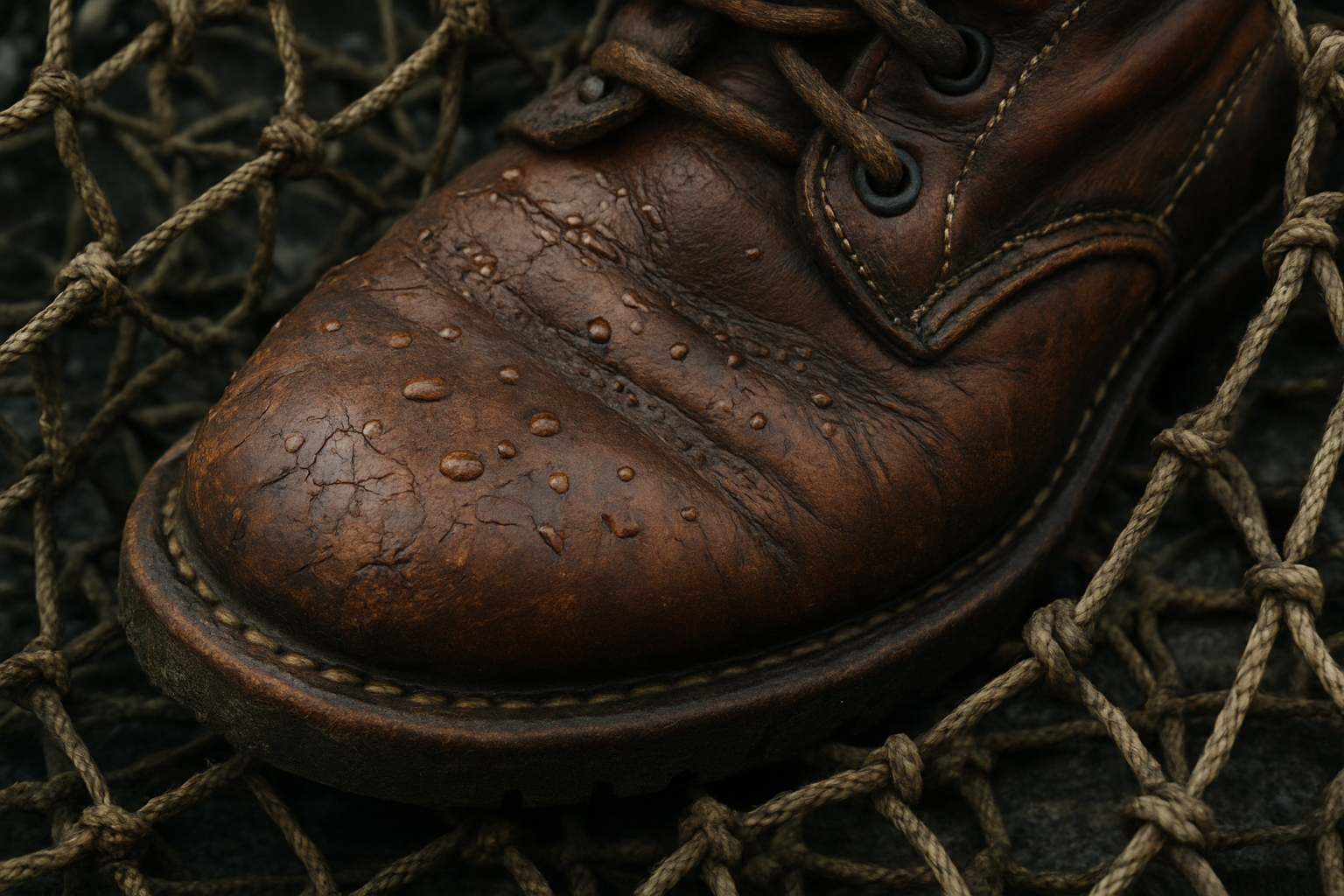
Who Is Carol Weston?
Carol Weston is an American author and advice columnist with a long career helping young readers navigate life’s awkward terrain. Her writing consistently combines warmth with practicality. She doesn’t preach — she talks with readers as though she genuinely remembers what it felt like to be confused, embarrassed, or unsure.
Girltalk, her debut book, established her voice immediately. The book addressed topics ranging from friendship and family to self-esteem and body image. However, what distinguished it from similar advice books of the era was Weston’s willingness to be funny. She trusted her readers to handle wit. As a result, lines like the boot quip didn’t feel preachy — they felt like something a smart older sister might say while laughing at you, affectionately.
Weston went on to write multiple sequels and spinoffs, including books for younger readers. Her career demonstrated sustained commitment to helping young people — particularly girls — think more clearly about how they relate to themselves and others. Therefore, the fishing-for-compliments quip fits neatly into her broader body of work: funny, pointed, and genuinely useful.
**How the Quote Spread: From Girltalk to Safire’s Collection**
Four years after Girltalk appeared, the quote resurfaced in a much more prominent venue. In 1989, William Safire and Leonard Safir compiled Words of Wisdom: More Good Advice, a well-regarded anthology published by Simon and Schuster.
Safire was, at the time, one of America’s most respected language commentators. He wrote the “On Language” column for The New York Times Magazine for decades. His inclusion of Weston’s quip in a curated wisdom anthology gave it significant cultural weight. When Safire chose a line, readers paid attention.
Moreover, the anthology format itself tends to strip quotes of context. Readers encounter a line, love it, copy it down, and share it — often without the author’s name attached. This is precisely how quotes enter what we might call the “anonymous commons.” Additionally, the compression of wisdom anthologies means that a funny line from a teen advice book ends up sitting beside remarks from philosophers and statesmen. The effect is a kind of democratic leveling — Weston’s boot joke earned its place on merit.

The 1994 Newspaper Appearance
By 1994, the quote had migrated into American newspapers. The Republic of Columbus, Indiana, printed it as a “Thought for the Day” on August 1, 1994, still crediting Carol Weston.
Newspaper “thought for the day” columns played a significant cultural role in the pre-internet era. They introduced readers to quotes they might never encounter otherwise. Furthermore, they served as a kind of daily philosophical nudge — a brief moment of reflection tucked between news stories. The fact that Weston’s quip appeared in this format confirms its cultural traction. It had moved beyond its original teen-advice context and entered general circulation.
However, newspaper appearances also accelerate the process of attribution drift. Editors sometimes dropped the byline. Readers clipped the column without noting the source. As a result, the same quote could appear in dozens of papers across the country, sometimes credited, sometimes not.
The 1997 Variation: A Small but Telling Change
In 1997, an advertisement in an Ottawa, Canada newspaper — specifically The Ottawa Citizen — included a version of the quote with one word changed. The word “might” became “may.”
This shift is small but worth examining. “Might” carries a slightly more playful uncertainty — it suggests the boot is a comic possibility. “May” sounds slightly more formal, almost like a legal warning. Neither version is wrong. However, the change signals something important: by 1997, the quote had loosened from its original wording. Someone — an ad copywriter, an editor, a contributor — had internalized the joke and reproduced it from memory, slightly differently.
Additionally, the Ottawa advertisement dropped Carol Weston’s name entirely. This anonymization is extremely common with humorous quotes. Funny lines feel like folk wisdom. They feel like something everyone knows, something that has always existed. As a result, the original author fades. The joke becomes “anonymous” not through any deliberate erasure, but through the natural entropy of informal sharing.
Why Fishing for Compliments Is Such a Universal Target
The behavior Weston skewers has a long history as a social irritant. Fishing for compliments — performing false modesty or self-deprecation specifically to prompt others to contradict you — sits in an uncomfortable social space. It’s not exactly dishonest, but it’s not entirely honest either.
The person who says “I’m terrible at this” while clearly hoping you’ll say “No, you’re wonderful!” creates a small social trap. You either comply — which feels slightly false — or you stay silent, which feels unkind. Additionally, if you agree with the self-deprecation, the situation becomes genuinely awkward. Therefore, fishing for compliments puts everyone in the room in a mildly uncomfortable position.
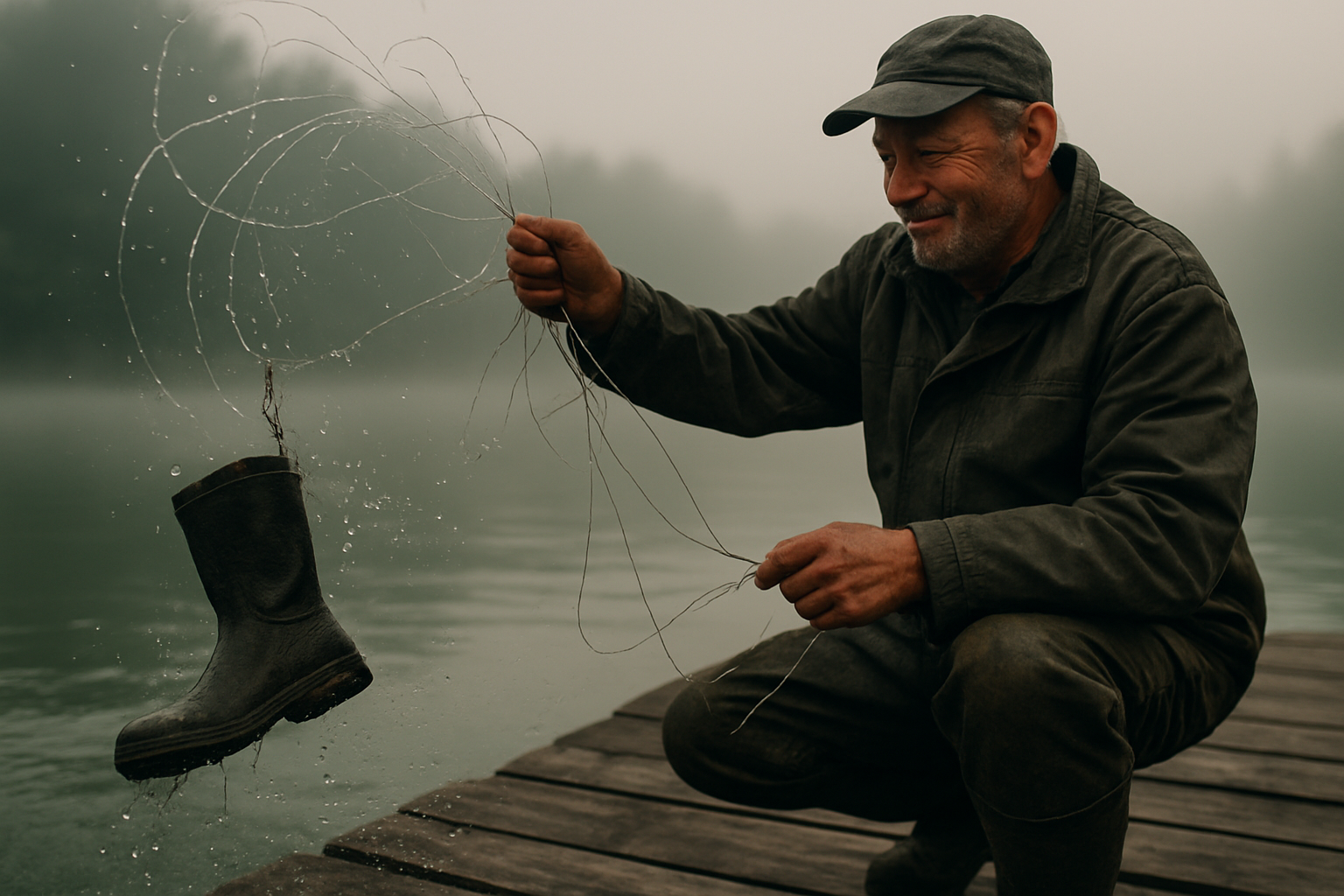
Weston’s joke captures this dynamic brilliantly. The fisher expects a catch — a warm, affirming response. Instead, the joke imagines them hauling up something useless and slightly ridiculous. The boot is perfect precisely because it’s not dangerous or dramatic. It’s just disappointing and a little absurd. Furthermore, it implies that the effort itself was undignified — you went fishing, and this is what you got.
The Metaphor’s Deeper Roots
The image of pulling a boot from a body of water is itself a long-standing comedic trope. Cartoonists, comedians, and storytellers have used it for generations to represent futile effort meeting absurd reward.
In animated cartoons, particularly from the mid-twentieth century, a character fishing and pulling up a boot became visual shorthand for comic failure. The image works because boots are so definitively not fish. There’s no ambiguity, no consolation prize. You wanted something living and valuable; you got something dead and useless. Additionally, a boot is a human object — it implies that someone else was here before you and left something behind. The lake isn’t empty; it’s just full of the wrong things.
Weston borrowed this pre-existing comic image and attached it to a specific social behavior. That’s the craft move. She didn’t invent the boot-fishing image, but she applied it with precision. As a result, the joke feels both fresh and immediately recognizable.
Variations and Misattributions Over Time
Beyond the 1997 “might” to “may” shift, the quote has circulated in various forms across the internet age. Social media platforms, quote aggregator websites, and Pinterest boards have spread it widely — sometimes credited to Weston, sometimes listed as anonymous, and occasionally misattributed to other writers.
The anonymization pattern accelerated dramatically with the rise of image-based quote sharing. A witty line gets placed over a stock photo of a fishing dock and shared thousands of times. The author’s name, if it was ever attached, disappears within a few shares. Additionally, quote aggregator websites often copy from each other without verifying sources, compounding errors across the web.
However, the paper trail here is unusually clean. The 1985 Girltalk citation is verified with a physical copy. The 1989 Safire anthology confirms the attribution independently. Therefore, despite the internet’s tendency to muddy these waters, the case for Carol Weston is strong and well-documented.
What the Quote Teaches About Compliments and Self-Worth
At its core, Weston’s quip carries a genuine psychological insight wrapped in a joke. Source People who fish for compliments often do so because they feel uncertain about their own worth. They need external confirmation because internal confidence feels insufficient.
The boot joke gently redirects this. It says: the fishing strategy is unreliable. You might get what you’re looking for, or you might come up empty — and the act of fishing itself signals something about your relationship with your own value. Additionally, Weston’s companion advice — just smile and say thank you — offers a practical alternative. Accepting a compliment gracefully requires a baseline of self-respect. It means believing you deserve the praise enough to receive it simply.
In contrast, deflecting a compliment with false modesty, hoping for reassurance, keeps you stuck in a loop of needing more. Furthermore, it can exhaust the people around you, who eventually stop offering the reassurance you’re seeking. The boot, in this reading, isn’t just a punchline — it’s a warning about what happens when you make your self-worth dependent on others’ responses.
Modern Usage and Cultural Staying Power
The quote continues to circulate actively in the twenty-first century. Source It appears on motivational websites, in advice columns, in workplace wellness newsletters, and across social media platforms. Its staying power comes from several factors working together.
First, the behavior it describes is timeless. People fished for compliments in 1985, and they fish for compliments today — perhaps more visibly, given social media’s architecture of likes and comments. Additionally, the joke is short enough to share instantly and memorable enough to stick. Furthermore, it works across age groups. The teen audience Weston originally addressed is one context; the professional world is another; friendship groups are another. The boot lands everywhere.
Moreover, the quote benefits from its comic register. Pure moralizing ages quickly. However, a joke that makes a moral point tends to stay fresh because the humor carries it past the reader’s defenses. You laugh before you realize you’ve been gently corrected. That’s a rare and valuable quality in any piece of advice.
Giving Credit Where It’s Due
The evidence points clearly to Carol Weston as the originator of this memorable line. She wrote it in 1985, in a book aimed at young women, as part of a larger conversation about self-worth and social grace. The quote then traveled through a respected wisdom anthology, into newspaper columns, across borders, and eventually into the digital age — accumulating anonymity along the way, as good jokes often do.
However, the original spark belongs to Weston. She saw the fishing metaphor, recognized its comic potential, and applied it with precision to a specific human behavior. Additionally, she embedded it in a context that gave it meaning beyond the punchline — a context about how we receive praise, how we seek it, and what that seeking reveals about us.
The boot, ultimately, is a gift. Not the boot itself — nobody wants that — but the image of it. It catches something true about human behavior and holds it up, dripping, for us to see. Therefore, the next time someone performs elaborate self-deprecation hoping for reassurance, you’ll know exactly what to picture. And you’ll know exactly who put that image in your head.
Conclusion
Carol Weston gave us one of the sharpest, funniest pieces of social advice in modern popular writing. Source In a single sentence, she named a universal behavior, attached it to a perfectly absurd image, and delivered a lesson that sticks. The quote traveled from a teen advice book to a Safire anthology to newspaper columns to the internet — losing its attribution along the way, as the best folk wisdom tends to do.
But the trail is clear. The boot belongs to Weston. And the lesson it carries — that fishing for compliments is a risky, undignified strategy — belongs to all of us. Next time you feel the urge to cast that line, remember what you might pull up. Sometimes the most valuable thing you can do is simply smile, say thank you, and keep your boots on dry land.