“When the chess game is over, the king and the pawn go back in the same box.”
A colleague texted me that line during a brutal Thursday. She wrote nothing else. Meanwhile, my inbox kept flashing, and my calendar kept tightening. I almost rolled my eyes at the “wisdom quote” vibe. However, that night I packed up my own chess set, and the message finally landed. I had just finished a game with my nephew at the kitchen table. He celebrated his queen like a superhero. Then he swept every piece into the same felt bag. Therefore, the quote stopped sounding like a cliché and started sounding like a fact.
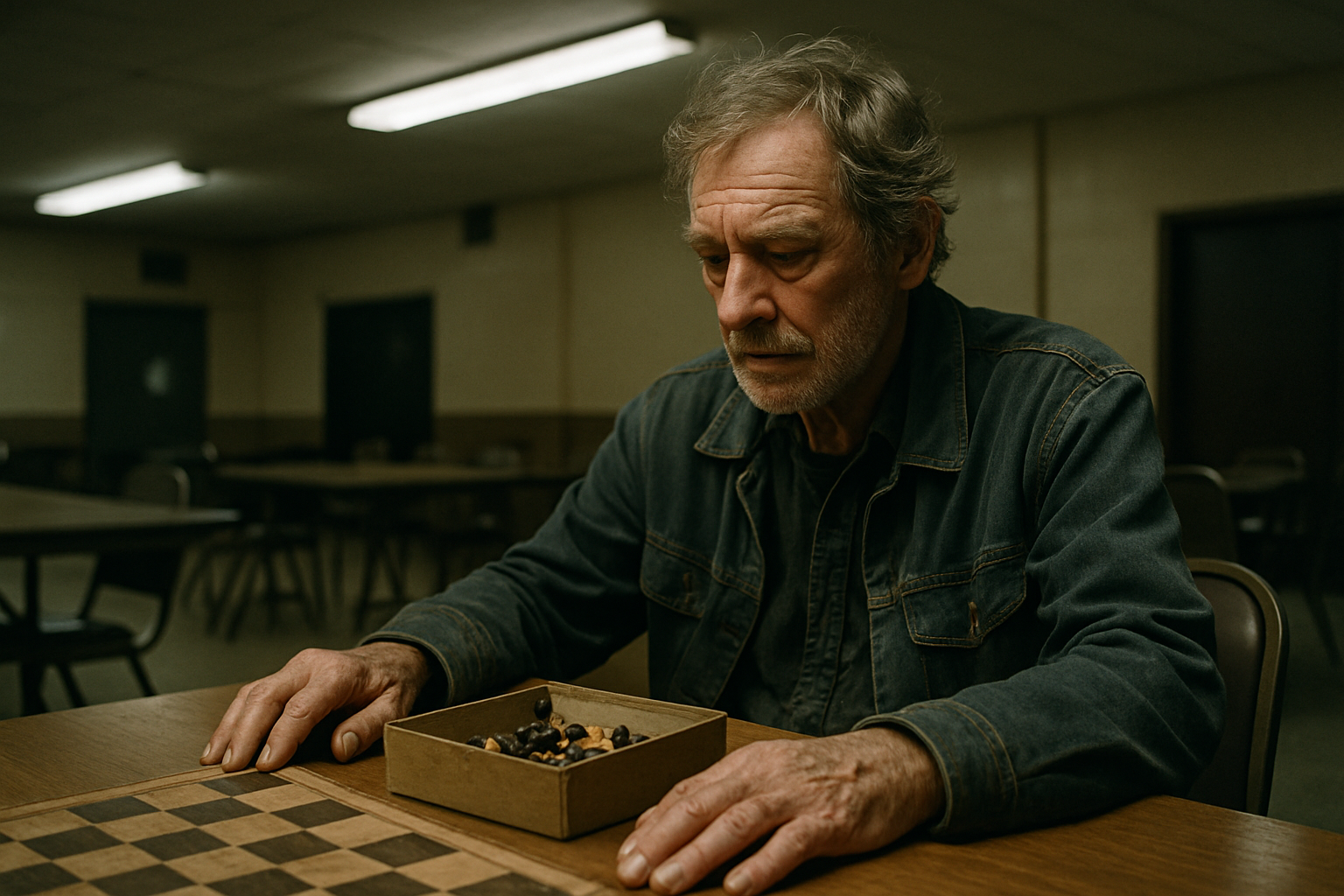
Why this quote hits so hard The line works because it turns status into a physical object. You can picture the king’s crown. You can also picture the pawn’s plain head. Yet the box ignores both. Additionally, chess gives the metaphor instant clarity. The board displays hierarchy in neat ranks. The box erases that hierarchy in one motion. As a result, the quote compresses a huge idea into one domestic scene. People often use it to talk about death, legacy, and humility. However, it also fits endings that feel smaller. A job ends, and titles vanish fast. A party ends, and everyone grabs the same coats. Earliest known appearance in print The earliest known printed form in English appears in a 1629 collection of sermons and theological writings by John Boys. Boys served as an English clergyman and dean. He framed the metaphor as a moral lesson. First, he described a chess game in progress. Then, he described the end of the game. Finally, he described pieces tumbling together into a bag. That specific “bag” detail matters. It shows ordinary, lived experience. People stored pieces in pouches and bags, not display boxes. Therefore, the earliest phrasing feels more like a sermon illustration than a polished proverb. Historical context: why chess fit religious teaching Seventeenth-century English preachers loved vivid comparisons. They needed images that crossed class lines. Chess worked because elites played it, and many others recognized it. Additionally, the era obsessed over mortality. Plague cycles, war, and harsh medicine kept death close. Therefore, clergy leaned on “memento mori” themes in daily teaching. Chess also gave preachers a ready-made hierarchy. The king sat at the top. Pawns lined the front like “common soldiers.” That mapping let a preacher talk about power without naming local rulers.

How the quote evolved across centuries Writers kept the core structure. They changed the container. Some said “bag.” Others said “box.” A few said “closet” or “case.” Each change matched the storage people used. In 1633, Thomas Adams printed a very similar comparison in a religious commentary. He paired it with a classical-style dialogue about identifying famous people among the dead. Adams also pushed the lesson into the grave. He made the “one bag” feel like burial. Therefore, later readers often quoted him as the source. In 1658, John Spencer published a compendium of moral comparisons. He echoed the same structure and moral. That repetition suggests a circulating saying, not a single invention. A key turning point: the “same box” phrasing By the eighteenth century, some versions leaned toward “box.” In 1740, Thomas-Simon Gueullette included a version in a framed narrative. He described pieces returning to a box after the board shut. That wording sounds closer to the modern quote. Additionally, it feels more elegant than “bag.” A box also suggests a final container, which strengthens the death metaphor. However, Gueullette presented it as something “one of our poets” said. That move matters. It shows how quickly people treated the idea as traditional wisdom. Omar Khayyam, destiny, and the “closet” Many people connect this quote to Omar Khayyam. They usually point to a famous English translation of the Rubaiyat by Edward FitzGerald in 1859. In that translation, a verse describes destiny playing with human “pieces” on a board. Then destiny returns them “one by one back in the Closet.” That verse shares the same emotional engine. It stresses powerlessness and equal ending. However, it does not use the king-and-pawn contrast directly. Therefore, it likely reinforced an existing metaphor rather than creating it. Also, the Rubaiyat’s textual history stays complicated. Translators worked from manuscripts with variations. As a result, people argue about what counts as “original.”

Variations and common misattributions You will see the quote labeled an “Italian proverb.” H. L. Mencken printed it that way in a 1942 quotation dictionary. That label may reflect real proverb circulation. However, it may also reflect a cataloging habit. Compilers often used “proverb” when no author felt certain. You will also see the quote credited to Thomas Adams. A 1894 periodical printed a version and tagged it “ADAMS.” That attribution makes sense because Adams wrote a memorable variant. Yet earlier print points elsewhere. Additionally, people sometimes credit John Spencer or “anonymous.” Those credits reflect the same problem. The idea traveled faster than bibliographies. Common wording variants include these: – “At the end of the game, the king and the pawn go into the same bag.” – “After the game, the king and the pawn go into the same box.” – “When the game is done, they are shuffled into one bag.” Author’s life and views: John Boys and the sermon tradition John Boys lived from 1571 to 1625. He worked as a learned churchman in England. He wrote in a world that treated sermons as mass media. Ministers published sermon collections for households and clergy. Therefore, a vivid metaphor could spread quickly. Boys also wrote with strong moral structure. He liked orderly lists and ranked examples. Chess fit his style because it already ranks pieces. Still, he likely did not “invent” the thought. He probably drew from a pool of familiar comparisons. Preachers often reused images that audiences remembered. Cultural impact: why the metaphor keeps resurfacing The quote keeps showing up because it stays portable. You can use it in a eulogy. You can also use it in a boardroom. In contrast, many moral sayings need religious agreement. Additionally, chess has stayed culturally visible for centuries. Books, clubs, and now streaming keep the game in public view. The metaphor also works across politics. It criticizes arrogance without naming a party. Therefore, writers can deploy it safely. You can see its influence in leadership advice. Coaches use it to push humility. Teachers use it to reduce status anxiety. Even athletes use it after retirement.

Modern usage: how to apply it without sounding preachy The quote can sound heavy if you drop it like a verdict. Instead, tie it to a concrete moment. For example, mention a literal board getting packed away. Additionally, you can aim it at yourself first. That move keeps it from sounding like a jab at someone else. Meanwhile, the lesson lands more gently. Try these modern frames: – After a promotion: “I’ll enjoy it, but the box waits.” – After a public win: “The applause ends, and I go home.” – During conflict: “We both end up off the board.” However, avoid using it to dismiss real injustice. The quote speaks about endings, not fairness today. Therefore, pair it with action when the moment calls for it. So where did it really come from? The safest answer points to a long tradition, not a single spark. Early English print records show the metaphor by 1629 in John Boys. Soon after, Thomas Adams and John Spencer printed close parallels. Source Source Later, Gueullette helped normalize the “same box” phrasing. Then nineteenth- and twentieth-century quotation culture simplified the trail. Editors attached a name or a nationality. As a result, “Italian proverb” and “Adams” credits spread. In other words, the quote likely grew like folklore. It picked up polish as it traveled. Conclusion This quote survives because it stages humility in one clean gesture. You can watch power shrink into a container. Moreover, you can feel the relief of that reset. The history also teaches a second lesson. People love a single author, yet wisdom often moves anonymously. Therefore, the quote’s origin mirrors its meaning. Kings, pawns, and even authors end up in the same box.