“Aux yeux de ces amateurs d’inquiétude et de perfection, un ouvrage n’est jamais achevé, – mot qui pour eux n’a aucun sens, – mais abandonné ; et cet abandon, qui le livre aux flammes ou au public (et qu’il soit l’effet de la lassitude ou de l’obligation de livrer) est une sorte d’accident, comparable à la rupture d’une réflexion, que la fatigue, le fâcheux ou quelque sensation viennent rendre nulle.”
— Paul Valéry (March 1933)
I found this exact quote scrawled in the margins of a secondhand poetry paperback. A stranger had pressed a blue ballpoint pen hard into the yellowed paper. During that specific week, I felt completely stuck on a major writing project. Consequently, I stared at those ink-stained words for ten minutes straight. I previously dismissed the phrase as a tired creative cliché. However, holding that physical book made the reality of the words unavoidable. The anonymous previous owner clearly understood the agonizing struggle of creative finality. Therefore, I finally stopped tweaking my own draft and simply let it go. This profound realization naturally leads us into the fascinating history and true meaning behind these famous words. The Earliest Known Appearance Many people misattribute this famous saying about creative struggle. For instance, casual readers often credit Oscar Wilde or George Lucas. However, the true origin traces back to French poet Paul Valéry. Valéry published the original sentiment in March 1933. He wrote an essay titled “Au sujet du Cimetière marin” for a French literary review. . In this essay, he explored the agonizing process of writing poetry. He argued that perfectionist creators never truly complete their work. Instead, exhaustion or publishing deadlines force them to walk away. Thus, the concept of a “finished” artwork simply does not exist for them. Valéry described this forced abandonment as a mere accident. Furthermore, he compared it to an interrupted train of thought. A sudden distraction or deep fatigue simply breaks the creative spell. Consequently, the artist must surrender the manuscript to the publisher. Alternatively, the frustrated creator might toss the pages into the fire. Ultimately, Valéry perfectly captured the universal anxiety of the creative process.
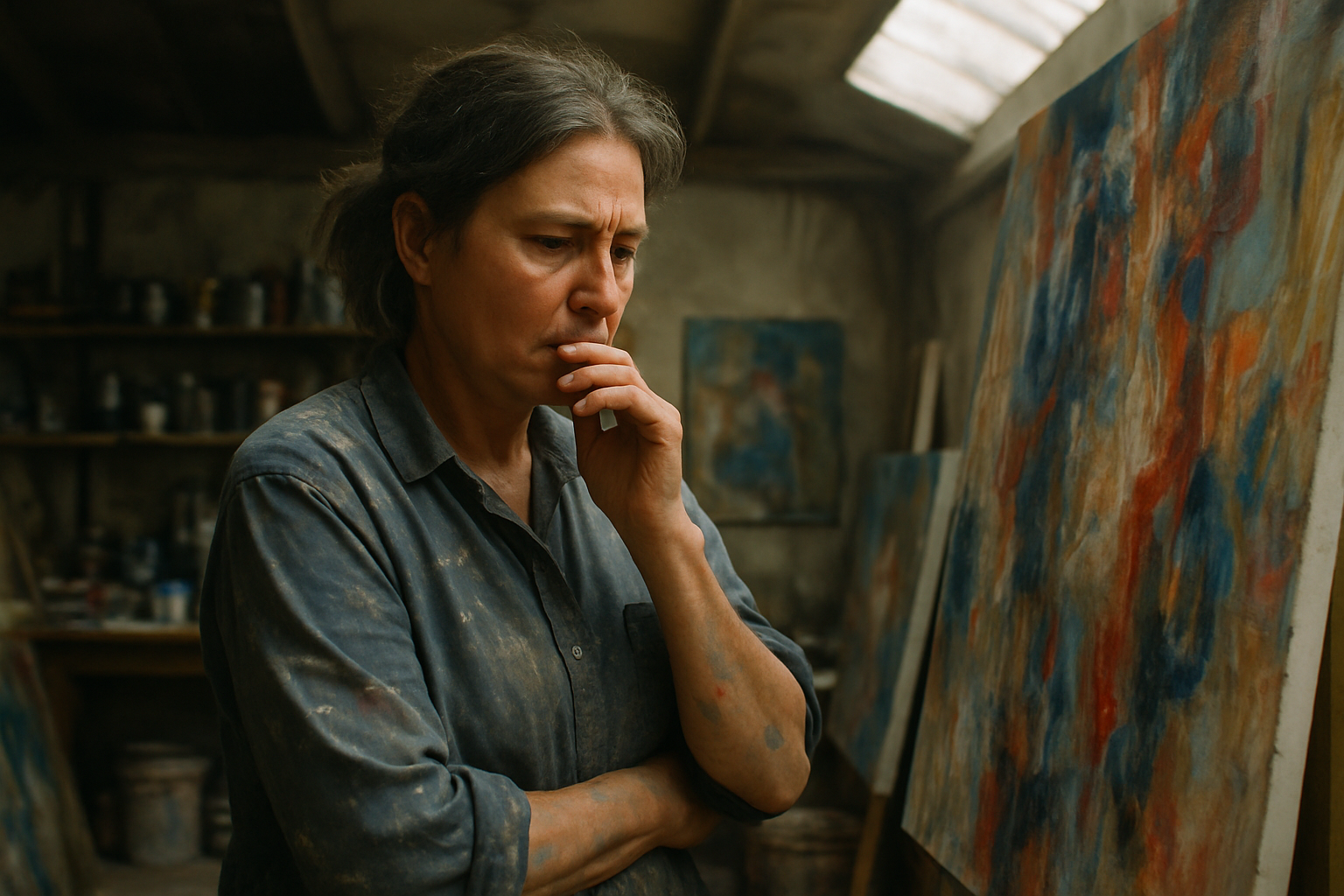
Historical Context of the Era The 1930s literary scene deeply valued intense intellectual rigor. Consequently, writers treated their craft as a grueling psychological exercise. Valéry belonged to a group of French intellectuals who obsessed over form. These creators viewed publishing as a necessary but painful evil. They preferred the endless refinement of ideas over final publication. During this period, the world faced immense political and social anxiety. Therefore, this cultural tension naturally bled into artistic pursuits. Writers felt immense pressure to produce flawless, enduring masterpieces. As a result, Valéry’s observation struck a profound chord with his contemporaries. They instantly recognized their own private frustrations in his elegant prose. The literary community understood the heavy burden of chasing perfection. Moreover, the era lacked the rapid publishing tools we possess today. A printed book represented a permanent, unchangeable physical object. Therefore, releasing a manuscript felt incredibly final and deeply terrifying. This permanence made the act of abandonment even more agonizing. Artists knew they could never correct their printed mistakes. How the Quote Evolved The phrase did not remain confined to French literary circles for long. Shortly after publication, French journalist Thierry Maulnier reprinted Valéry’s essay. He featured it in the May 1933 issue of “L’Action Française”. Interestingly, Maulnier slightly trimmed the original text for his readers. This editing choice made the quote punchier and significantly more memorable. By 1936, other literary magazines began circulating the shortened version. Consequently, the saying slowly transformed into a standalone proverb. Then, the phrase successfully crossed the Atlantic Ocean. Source In 1946, experimental filmmaker Maya Deren organized a special screening. She rented the Provincetown Playhouse for her avant-garde cinema event. She titled her program “Three Abandoned Films” in a clever nod to the poet. . Her publicity materials directly cited Valéry’s concept of abandoned art. This event introduced the translated phrase to American bohemian circles.
Author Anaïs Nin actually attended this exact film screening. Afterward, Nin recorded the English translation in her personal diary. She specifically credited Paul Valéry for the brilliant insight. Meanwhile, the quote continued to spread through word of mouth. Artists shared it in coffee shops and crowded artist studios. They found immense comfort in the shared experience of creative surrender. Ultimately, the phrase evolved from a specific essay into a universal mantra. Variations and Pervasive Misattributions Famous quotes almost always attract false attributions over time. This particular saying suffered a severe case of mistaken identity. For example, Gore Vidal confidently attributed the phrase to Jean Cocteau. Vidal published this claim in a 1965 newspaper article. He stated Cocteau believed artists merely abandoned their work. Meanwhile, the celebrated poet W.H. Auden frequently used the phrase. Auden famously stated that poets only abandon their poems. Fortunately, Auden usually credited Valéry for the underlying idea. However, other public figures used the phrase without any attribution. In 1962, theater director Alan Schneider defended his controversial Broadway play. He told reporters that artists never complete their work. Later, writers applied the concept specifically to the publishing industry. In 1971, author Esther Kellner noted that writers simply abandon books. She claimed deadlines forced authors to walk away from their manuscripts. Furthermore, biographer H. Allen Smith credited the line to Gene Fowler. Smith claimed Fowler used the phrase to cope with strict newspaper deadlines. By 2004, a popular quote collection completely misattributed the phrase. The editors boldly assigned the famous words to Oscar Wilde. They printed the variation stating that books are merely abandoned. Ultimately, these endless variations prove the universal appeal of the core message. Every creative discipline naturally adapts the quote to fit its specific medium. Therefore, the core truth survives regardless of the shifting attribution. The Widespread Cultural Impact This profound observation fundamentally changed how society views the creative process. Previously, audiences expected artists to deliver flawless, finalized masterpieces. However, Valéry’s insight normalized the messy reality of artistic creation. Consequently, modern creators feel less shame about their imperfect projects. The quote gives them permission to finally release their work. It dismantles the destructive myth of the flawless genius. Instead, it celebrates the gritty reality of artistic endurance. Furthermore, the saying transcended the literary world entirely. Source Filmmakers, painters, and musicians quickly adopted the philosophy as their own. George Lucas famously referenced the concept in 1997. He used the idea to justify his controversial “Star Wars” special editions. Lucas explained that filmmakers only abandon movies. Therefore, he felt completely justified in returning to his old projects. .
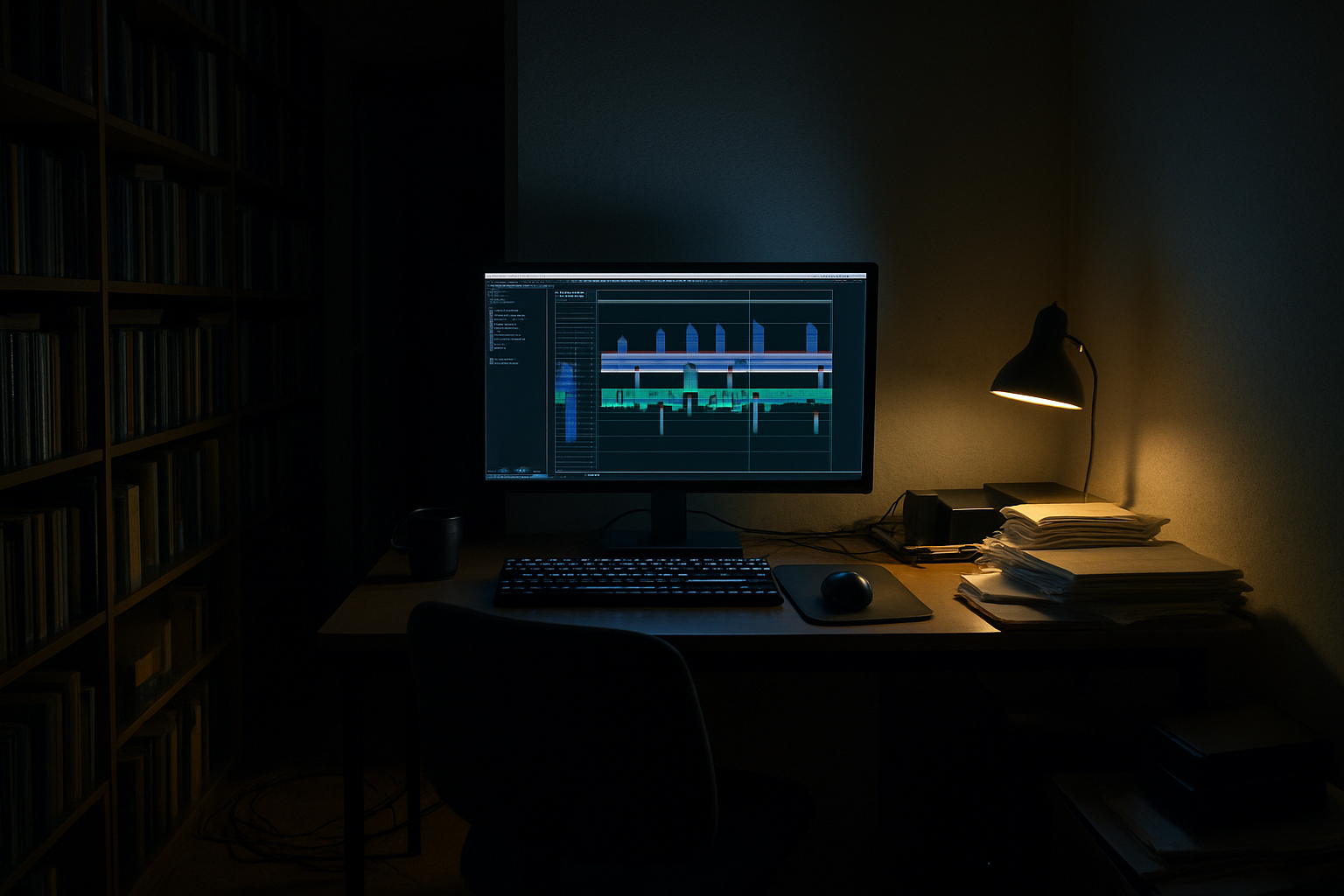
This cinematic application demonstrates the incredible versatility of Valéry’s original thought. Musicians also embrace the concept during the grueling recording process. Audio engineers eventually must stop tweaking the final mix. Otherwise, an album would remain trapped in the studio forever. Ultimately, the quote serves as a psychological pressure valve. It allows artists to survive the crushing weight of their own expectations. The Author’s Life and Views Intense intellectual curiosity defined Paul Valéry’s entire life. He consistently prioritized the creative process over the final product. In fact, he famously stopped writing poetry for nearly twenty years. During this silent period, he dedicated his time to mathematical studies. He believed that the human mind required constant, rigorous exercise. Furthermore, he viewed writing as just another method of thinking. He never chased literary fame or commercial success. When Valéry finally returned to poetry, he brought this analytical mindset. He viewed poems as complex puzzles that demanded endless solving. Consequently, he despised the artificial finality of publishing deadlines. He firmly believed that an artist could always improve a piece. Therefore, abandoning a work felt like a tragic but necessary compromise. His personal journals reveal a man deeply tormented by perfectionism. He constantly revised his drafts, searching for the perfect syllable. This lifelong struggle directly inspired his famous 1933 observation. Valéry understood that true perfection remains forever out of reach. We can only chase it until our energy completely runs out. Accordingly, his philosophy encourages artists to value the journey over the destination. The act of creation matters far more than the finished product. The Psychology of Perfectionism Psychologists frequently study the exact phenomenon that Valéry described so eloquently. Perfectionism often paralyzes talented individuals before they can share their gifts. Consequently, many brilliant ideas never see the light of day. The fear of criticism traps creators in an endless revision loop. They convince themselves that one more edit will fix everything. However, this obsessive behavior usually destroys the original spark of the artwork. Overworking a piece can drain all the life from it. Therefore, Valéry’s quote functions as a vital cognitive intervention. It forces the perfectionist brain to accept a new reality. The goal shifts from achieving perfection to simply achieving completion. This mental shift drastically reduces the anxiety surrounding a project launch. Artists learn to tolerate the discomfort of leaving minor flaws uncorrected. Ultimately, releasing imperfect work builds crucial creative resilience. Each abandoned project teaches the creator how to begin the next one.

Modern Usage and Relevance Today, the quote remains incredibly relevant across all creative industries. Software developers frequently share the phrase when launching new applications. They understand that digital products require constant updates and patches. A software program never truly reaches a final, perfect state. Similarly, digital artists use the saying when posting works-in-progress online. The internet age has actually amplified the truth of Valéry’s words. Modern technology allows creators to infinitely tweak their digital files. Consequently, the temptation to endlessly revise has never been stronger. Creators must actively choose to step away from their glowing screens. They must embrace the vulnerability of releasing imperfect work into the world. If they refuse, their projects will languish on hard drives forever. Ultimately, Valéry’s wisdom offers a comforting lifeline to anxious artists. The quote reminds us that perfection is an impossible illusion. We must simply do our best, abandon the work, and start anew. How to Apply This Wisdom Modern creators can actively utilize Valéry’s philosophy in their daily routines. First, you must set strict, unbreakable deadlines for your projects. Without a firm deadline, the revision process will expand indefinitely. Consequently, you will never experience the relief of moving forward. Second, you should practice celebrating the act of abandonment. Treat the release of a project as a victory over perfectionism. Do not view it as a failure to achieve the impossible. Furthermore, remember that audiences rarely notice the flaws you obsess over. They engage with the overall emotional impact of your work. Therefore, your minor technical errors will likely go completely unnoticed. Finally, channel your lingering frustration into your very next creation. Let the imperfections of the abandoned work fuel your future growth. Valéry understood that a creative life requires constant, forward momentum. We honor his legacy every time we bravely hit the publish button.