“Life is a tragedy when seen in closeup, but a comedy in long-shot.”
Last winter, a colleague forwarded that line during a brutal week. He wrote nothing else, just the quote. I read it at 2:07 a.m., while my laptop fan whined. Earlier that day, I had replayed a small mistake for hours. However, the wording felt like a camera move, not advice. I didn’t feel “fixed” after reading it. Still, the quote shifted my posture. It suggested distance without denial, and perspective without pretending. So, I started digging into where it came from. That search leads straight into film history, newspaper archives, and a surprisingly indirect paper trail.
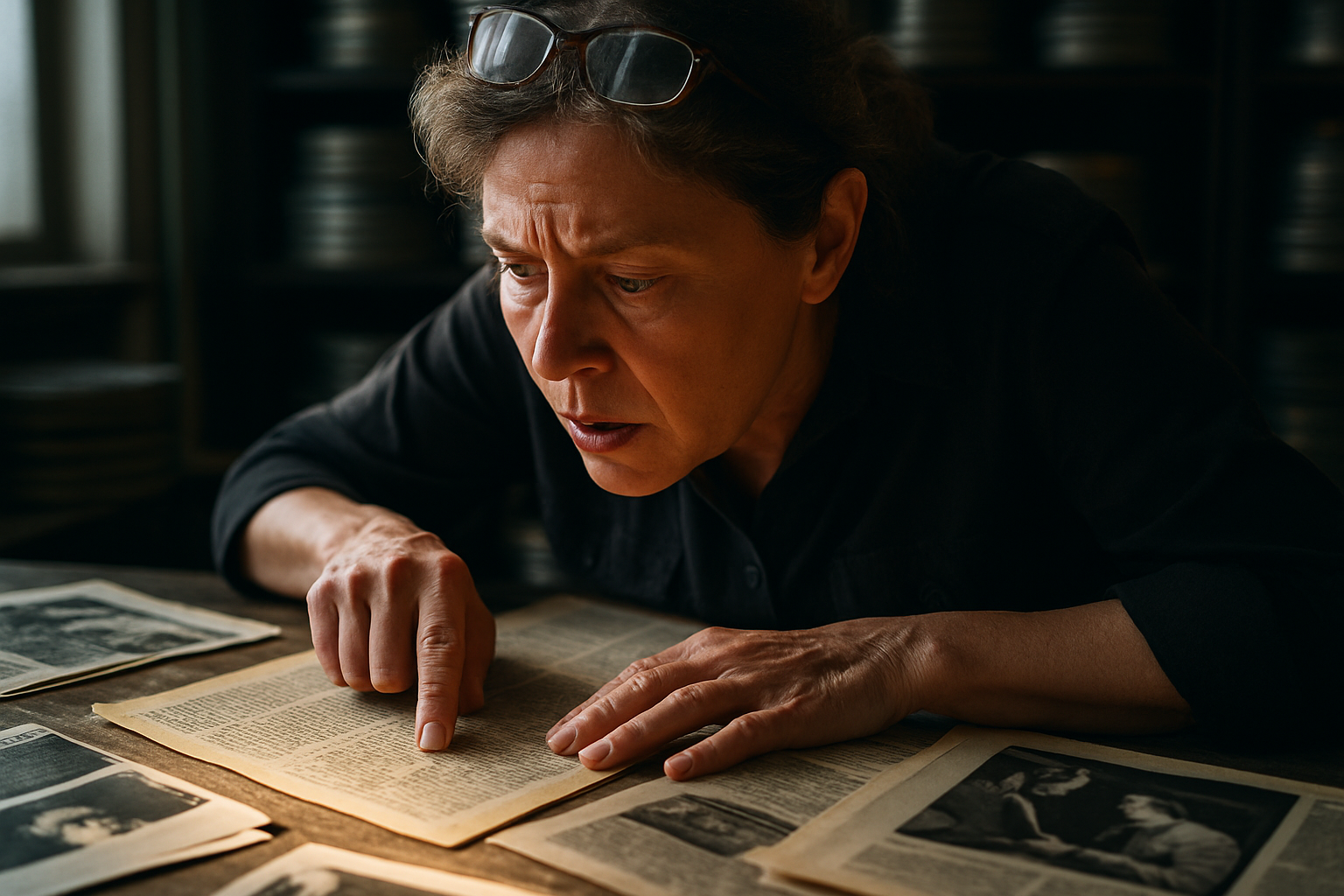
Why This Quote Hooks Us So Fast The line works because it borrows cinema language. “Closeup” implies intimacy, detail, and emotional heat. Meanwhile, “long-shot” implies context, space, and movement. As a result, the quote turns a life lesson into a visual technique. Additionally, the quote names something most people feel. In the moment, pain looks enormous. Over time, the same moment can look absurd, even tender. Therefore, the sentence lands like recognition, not instruction. People also repeat it because it sounds like a filmmaker talking. The rhythm feels stage-ready, and the contrast feels edited. However, that polish raises a question. Did Charlie Chaplin actually say it, or did someone later attach his name? The Earliest Known Appearances in Print Researchers usually chase first print appearances for quotes like this. Print does not guarantee origin, yet it gives timestamps. In this case, the earliest strong newspaper linkage appears in the early 1970s. A 1972 item in the Chicago Tribune connected the line to Chaplin. That date matters for two reasons. First, it arrives late in Chaplin’s life. Second, it appears after decades of Chaplin commentary. Therefore, it suggests either a late attribution or a quote that circulated orally. Even so, a single newspaper credit can still mislead. Editors sometimes print popular attributions without sourcing. So, the next step requires a stronger chain. That chain appears through Richard Roud, a major film programmer and critic. Richard Roud and the New York Film Festival Connection The most important clue comes from Richard Roud’s usage. He reportedly borrowed the quote to introduce program notes for a gala. That detail changes the quote’s status. It suggests Roud heard it from Chaplin or from Chaplin’s circle. Additionally, it frames the line as a professional observation about art. It doesn’t read like a greeting-card motto in that context. However, we still face a gap. Program notes can vanish, and private correspondence often stays private. Therefore, the evidence remains indirect, even when it feels credible. Still, Roud later wrote a public appreciation of Chaplin. In that piece, he explicitly attributed the quote to Chaplin. That 1977 attribution matters because it came days after Chaplin’s death. Writers tend to choose words carefully in memorial pieces. Moreover, Roud worked inside film culture, where misquotes get challenged quickly. Yet, even careful writers can repeat a line they heard secondhand.
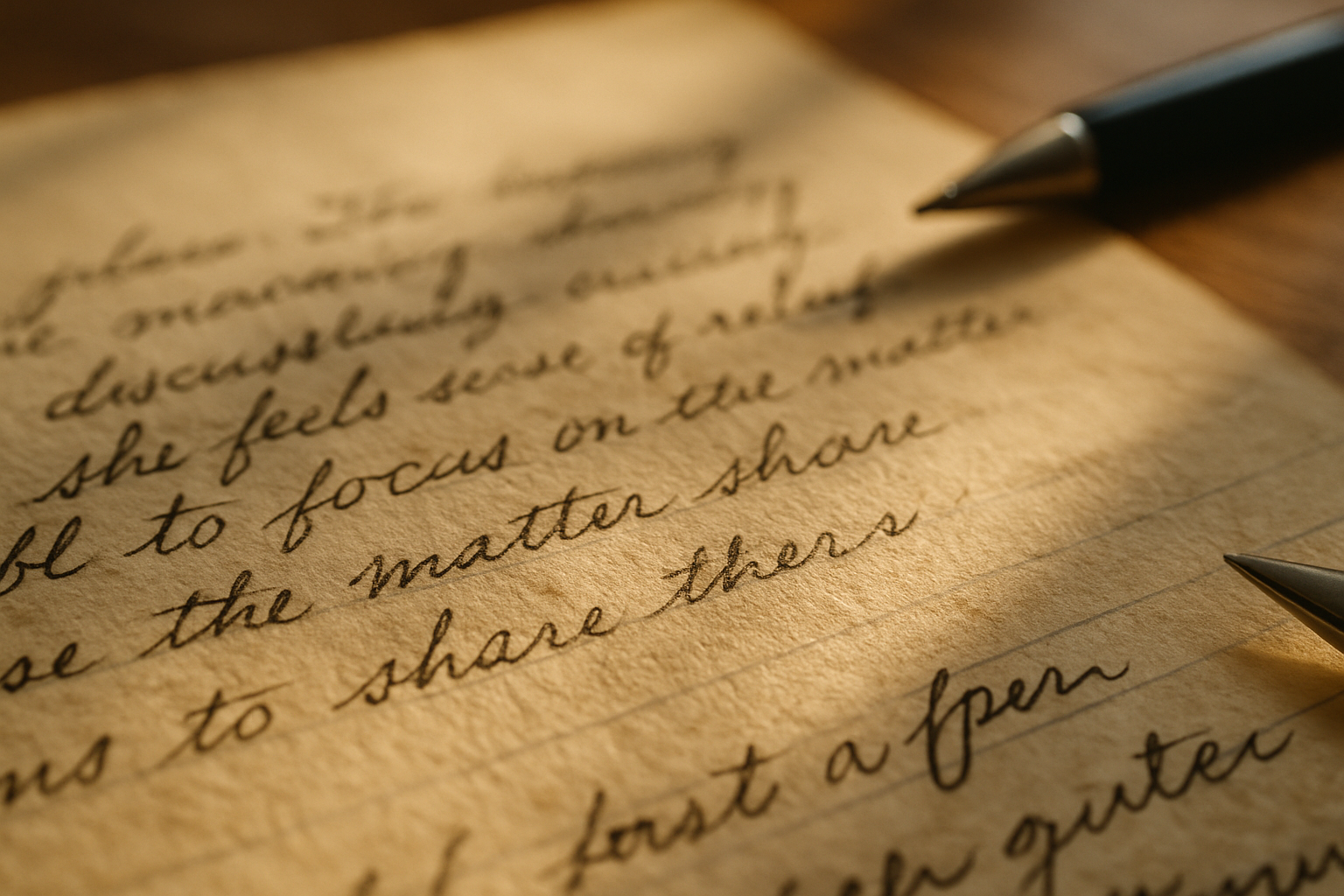
A Key Precursor: Chaplin’s 1916 “Own Story” Long before the closeup/long-shot wording appeared, Chaplin expressed a similar idea. In 1916, he published “Charlie Chaplin’s Own Story.” In the first chapter, he described life as slapstick. He emphasized surprise, misfires, and pratfalls. Then he delivered a crucial thought: tragedy and comedy differ by viewpoint. That sentence does not use camera terms. However, it carries the same engine. It treats comedy and tragedy as neighbors, not opposites. Therefore, the later quote may compress that philosophy into film grammar. This precursor also fits Chaplin’s craft. Silent comedy relied on physical pain played for laughs. Meanwhile, audiences projected their own fears into the same scenes. Chaplin understood that tension early, and he wrote about it. Historical Context: Why Film Language Fit the Idea Early cinema trained audiences to read emotion through framing. A closeup could turn a smirk into heartbreak. In contrast, a long shot could turn panic into choreography. Therefore, the metaphor feels native to the medium. Chaplin’s era also lived through rapid social shifts. Industrial work, urban crowding, and war shaped daily life. As a result, artists often mixed humor with dread. Additionally, Chaplin built a character who carried both tones. The Tramp looked ridiculous in motion. However, he also looked fragile in stillness. That duality made the closeup/long-shot contrast feel almost inevitable. Even so, inevitability does not equal proof. We still need to ask how the phrasing emerged. Did Chaplin coin it later, off the cuff? Or did admirers translate his philosophy into a neat line? How the Quote Likely Evolved Over Time Many famous quotes start as longer thoughts. Then someone trims them for impact. In this case, Chaplin’s 1916 viewpoint sentence provides raw material. Later, a film-world listener could have “filmed” the idea into a tighter metaphor. That process happens constantly in creative circles. A director says something in conversation. A critic repeats it in print. Then the quote hardens into a single canonical form. Therefore, the closeup/long-shot line may reflect a real Chaplin remark, even if no early transcript survives. A later edition of Chaplin’s 1916 work added commentary and a footnote that reprinted the closeup/long-shot quote. That footnote matters because it shows how editors treated the line. They saw it as connected to Chaplin’s earlier thought. However, the footnote still relies on a secondary source. So, it supports the attribution without fully sealing it.
Variations, Misattributions, and Why They Spread You will see several versions online. Some use “close-up” with a hyphen. Others use “long shot” without the dash. Additionally, many versions swap “seen” for “viewed.” Those differences often come from editors, not speakers. Misattribution also thrives when a quote matches a persona. Chaplin feels like the perfect author because he lived inside comedy and tragedy. Therefore, people accept the credit without checking. However, other names sometimes appear. Some versions float without any author. Others attach to comedians or screenwriters who spoke about time and humor. Those drifts happen because the idea feels universal. Still, the Chaplin attribution has a stronger spine than most. It ties to named journalists, major newspapers, and a film-world insider. That does not equal a signed manuscript, yet it beats anonymous meme culture. Chaplin’s Life and the Worldview Behind the Line Chaplin’s career depended on making hardship watchable. He staged hunger, humiliation, and rejection, then shaped them into rhythm. As a result, he trained himself to see pain from two distances. His personal life also carried extremes, including massive fame and intense controversy. That tension often pushes artists toward philosophical one-liners. However, we should avoid treating biography as proof of authorship. A fitting life story can still invite false credits. Even so, Chaplin repeatedly explored the thin border between laughter and grief. His films often pivot from gag to ache in seconds. Therefore, the quote reads like a summary of his editing instincts. Cultural Impact: Why the Quote Endures The line shows up in creative writing classes, therapy conversations, and leadership talks. People use it to reframe setbacks. Additionally, filmmakers use it to explain tone. It also gives permission to laugh later. That matters because many people fear that laughter betrays pain. In contrast, the quote suggests laughter can arrive through distance, not disrespect. Moreover, the metaphor helps during conflict. In closeup, you obsess over a single comment. In long-shot, you see patterns, stress, and context. Therefore, the quote often reduces shame and increases curiosity. Still, perspective can become avoidance if you rush it. You can’t long-shot your way out of grief on day one. However, the quote doesn’t demand speed. It simply points to a future camera angle. How People Use It Today (Without Flattening It) If you want to use the quote well, start with honesty. Name the closeup first. For example, say what hurts, specifically, today. Then, when time allows, ask what the wider frame includes. Additionally, you can apply it in creative work. In revision, zoom in on emotional truth. Then zoom out to check structure and pacing. That practice mirrors the quote’s logic. Teams can also use the idea during post-mortems. Source First, review the closeup details that caused failure. Then, step back and spot system issues. As a result, you reduce blame and increase learning. Finally, treat the line as a tool, not a verdict. Some events stay tragic at any distance. However, many daily disasters shrink when you widen the frame. So, Did Chaplin Really Say It? A Practical Verdict The record gives us Source strong attribution but not a definitive “smoking gun.” We have a 1972 newspaper linkage. We also have a 1977 memorial attribution by Richard Roud. Additionally, we have a 1916 Chaplin passage that matches the philosophy. Therefore, the most responsible stance sounds like this: Chaplin likely said something very close to it, and Roud helped popularize the polished form. However, the earliest direct, verbatim primary source remains elusive. That nuance doesn’t weaken the quote. Instead, it reminds us how culture edits speech into legend.
Conclusion The closeup/long-shot quote endures because it teaches perspective in a visual way. It also matches Chaplin’s art, which blended tenderness with slapstick. The paper trail points toward Chaplin through respected intermediaries, especially Richard Roud. However, the trail still leaves room for uncertainty. Even with that uncertainty, the line can still help. When life feels unbearable in closeup, you can widen the frame slowly. Over time, you may find meaning, pattern, or even laughter. And if you never reach comedy, you can still reach context.