“If you’re going to be a bear, be a grizzly.”
I first encountered this phrase during a brutal product launch week that had our entire team running on empty. My senior manager forwarded an email chain filled with bad news, adding no context other than this single sentence. At first, I dismissed the message as typical corporate bravado. However, as the week dragged on, we had to make increasingly aggressive decisions to save the project. Suddenly, the raw truth of those words finally clicked in my mind. You simply cannot half-step your way through a legitimate crisis. Consequently, I began digging into where this surprisingly profound piece of advice actually originated.
The Earliest Known Appearance
Most people assume a famous military general or legendary sports coach coined this aggressive maxim. In reality, the earliest documented appearance takes us straight to the ruthless world of Wall Street. George Hyde Preston published a short story called “An Inside Tip” in a 1908 issue of Cosmopolitan Magazine. . The plot revolves around a powerful brokerage firm leader planning to drive down a specific stock price. He commands his floor brokers to raid the stock without using any half measures.
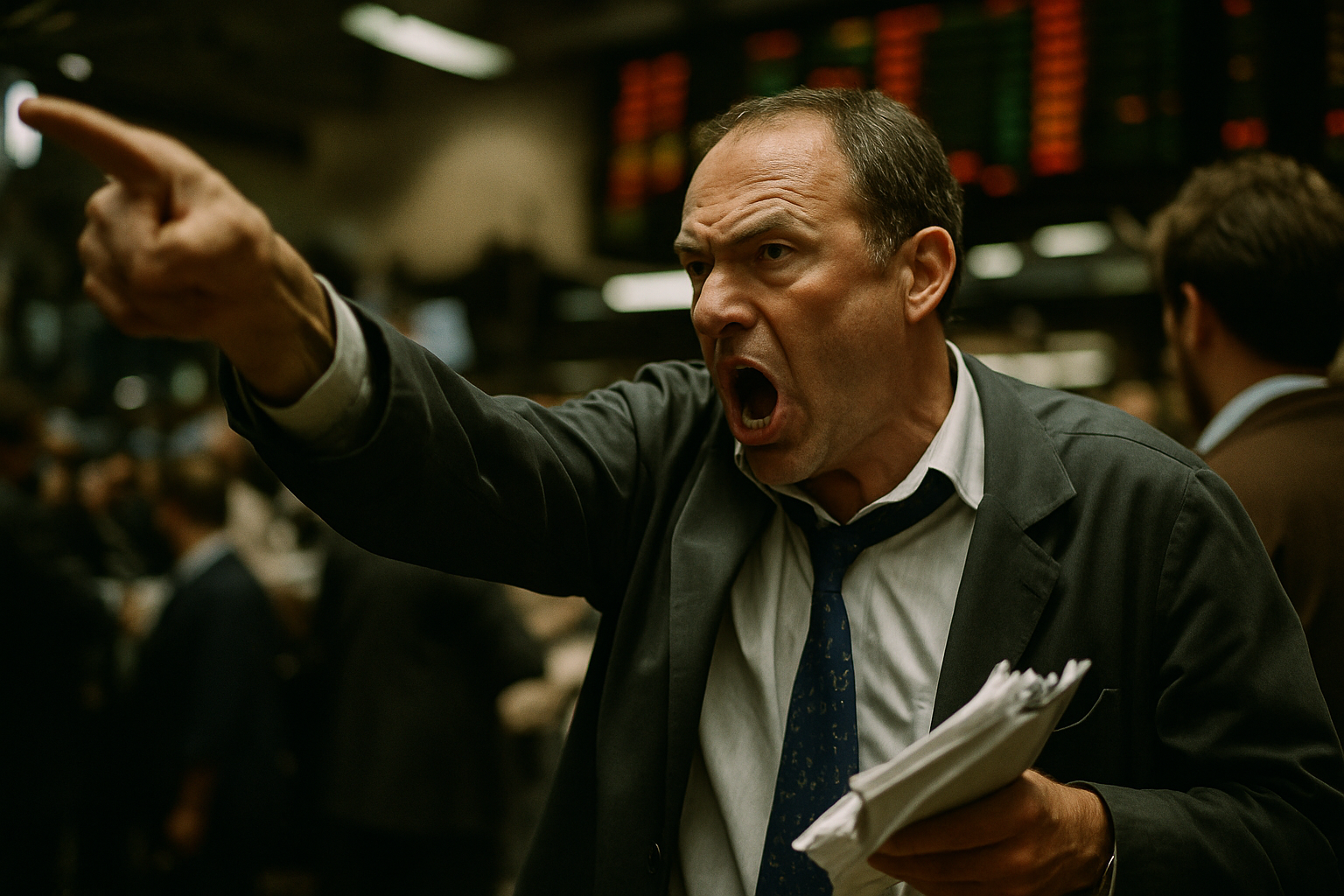
During this pivotal scene, the boss passionately declares the famous bear and grizzly line. Therefore, Preston currently holds the provisional credit for originating the memorable expression. Alternatively, he might have simply recorded a colorful idiom that was already echoing across loud trading floors. Regardless, the 1908 publication remains our first solid historical footprint for the quote. .
Historical Context and Financial Roots
Understanding the original 1908 context requires a quick look at American financial history. Traders had already established the term “bear market” to describe declining stock prices by 1903. Consequently, Preston’s use of the grizzly metaphor served as a clever, industry-specific pun. A standard “bear” wants the market to drop, but a “grizzly” attacks the market with overwhelming force.
The author brilliantly captured the cutthroat nature of early twentieth-century finance through this dialogue. Furthermore, the original magazine publication highlighted the saying directly in an illustration caption. This strategic visual placement undoubtedly helped cement the phrase in the minds of casual readers. The metaphor perfectly encapsulates the core philosophy of total, unwavering commitment. For instance, if you plan to take a negative position, you must execute it with absolute conviction. You cannot afford to show weakness when financial ruin is on the line.
How the Quote Evolved
Over the following decades, the phrase escaped the financial district and entered the broader American lexicon. By 1959, the Chicago Daily Tribune reported a delightful anecdote about a local neighborhood barber. . This barber supposedly gave politician Adlai Stevenson a specific haircut known as the banjo cut. Afterward, he offered Stevenson the grizzly advice before sending him out to run for president.

Later, the saying found its way into the highest levels of the American government. First Lady Lady Bird Johnson recorded a fascinating entry in her 1970 published diary. She recalled eating a hearty breakfast in 1967 featuring blueberry pancakes and warm Vermont maple syrup. During this meal, she thought of her daughter Lynda’s favorite maxim about being a grizzly. . As a result, we clearly see the quote transitioning from ruthless stockbrokers to everyday motivational wisdom.
Variations and Misattributions
Like many popular idioms, this saying has attracted some truly bizarre misattributions over the years. Source The most baffling example emerged online around the spring of 2008. Users on the popular reading website Goodreads began attributing the aggressive quote to Mahatma Gandhi. . This completely unsupported claim quickly spread across various motivational blogs and social media platforms.
Naturally, this attribution confused anyone familiar with Gandhi’s lifelong dedication to nonviolence. Source A 2012 relationship book author even expressed shock at seeing a pacifist credited with such militant advice. . Additionally, controversial magazine publisher Larry Flynt claimed in a 1977 interview that his grandfather taught him the phrase. People often assign folk wisdom to respected family patriarchs or famous historical figures over time. Consequently, tracking the true origin requires careful navigation through decades of hearsay and false memories.
Cultural Impact
Pop culture fully embraced the grizzly mentality during the chaotic late twentieth century. Source The wildly popular 1981 comedy film “The Cannonball Run” featured the quote in a highly memorable scene. Characters participating in an illegal cross-country car race shouted the line to justify taking a dangerous shortcut. . This specific cinematic moment introduced the phrase to a massive, enthusiastic new audience.

By the dawn of the internet age, the phrase firmly entrenched itself in daily conversation. In 1999, a user on a writing discussion board shared the saying as inspirational advice from her mother. The long transition from Wall Street fiction to maternal wisdom was officially complete. Today, you will readily hear it in high school locker rooms, corporate boardrooms, and tech startup incubators alike.
Modern Usage
George Hyde Preston likely never imagined his clever financial pun would achieve such enduring fame. We currently know relatively little about Preston’s broader life, personal views, or other writings. However, his unique ability to craft memorable dialogue clearly left a lasting mark on American culture. He successfully captured a universal human truth inside a simple, striking animal metaphor.
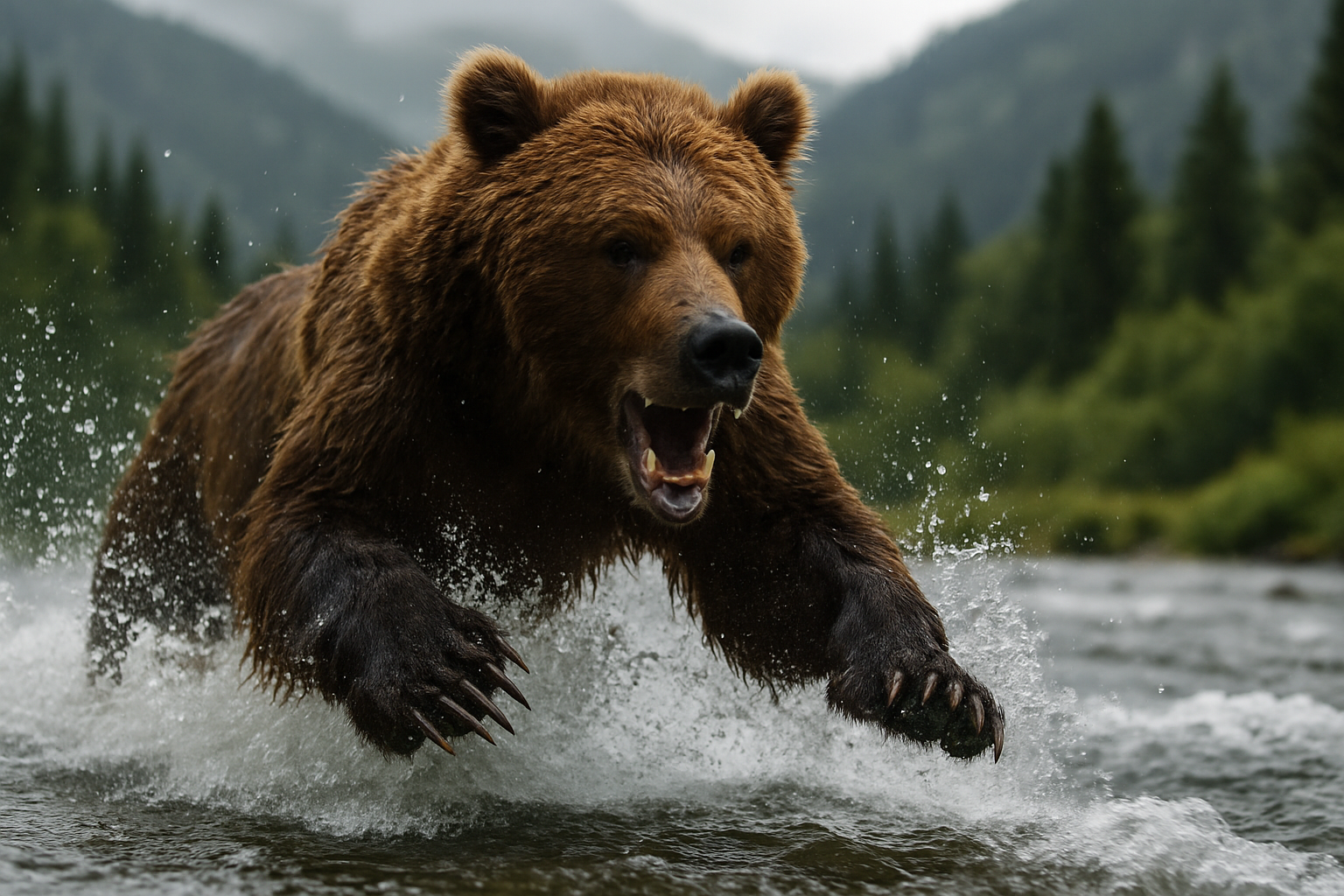
Currently, motivational speakers frequently use the phrase to encourage decisive, bold action. The core message remains remarkably consistent after more than a century of continuous use. If you commit to a difficult path, you must abandon all hesitation immediately. Therefore, whether you are trading volatile stocks or racing cars across the country, the advice holds true. You must bring your absolute full power to the task at hand.
Conclusion
Words carry immense power when they perfectly capture a specific attitude or resilient mindset. The fascinating journey of this quote from a 1908 magazine story to modern motivational posters proves this point. It clearly demonstrates how striking imagery can survive for generations, even as the original context slowly fades away.
Ultimately, the phrase reminds us that half-hearted efforts rarely yield meaningful or lasting results. We often face challenging situations that demand our absolute commitment and raw ferocity. When those critical moments arrive, timidity quickly becomes your absolute greatest enemy. Therefore, embrace the timeless wisdom of that fictional stockbroker from over a century ago. Go all in, leave nothing on the table, and make your presence undeniably known.