“Whatever you have read that I said is almost certainly untrue, except if it is funny, in which case I definitely said it.”
Last winter, a colleague forwarded me that line at 11:47 p.m. . He added no context, just the quote and a single period. However, I knew his week had gone sideways. He had watched a meeting spiral, then watched Slack turn it into legend. Therefore, the quote landed like a small, sharp laugh. It felt like permission to stop arguing with the internet. The next morning, I reread it with coffee and a calmer head. Additionally, I noticed how it does two things at once. It rejects the fake “record,” yet it hugs the funny parts. That tension pushes us straight into the quote’s real story.

Why this quote hooks us so fast This line works because it tells the truth about fame and gossip. In other words, public people rarely control their own words. Meanwhile, the public loves a clean, quotable sentence. As a result, attribution becomes a sport. The quote also carries a sly moral code. It says, “Assume the worst sources.” However, it also says, “Credit me for the jokes.” That double move feels modern, yet it comes from an older media machine. Most importantly, the line sounds like a performer talking backstage. It has timing, bite, and self-protection. Therefore, readers keep repeating it whenever a misquote goes viral. Who said it: Tallulah Bankhead and the persona behind the punchline The best-supported attribution points to Tallulah Bankhead. Bankhead built a reputation as a bold stage and screen star. She also lived inside a publicity ecosystem that traded in quips. For example, columnists could turn a dinner remark into “news” by morning. Additionally, studios and publicists shaped narratives, then gossip writers reshaped them again. So the quote fits her brand even before we chase sources. However, “fits” does not equal “true.” Therefore, we have to follow the paper trail.
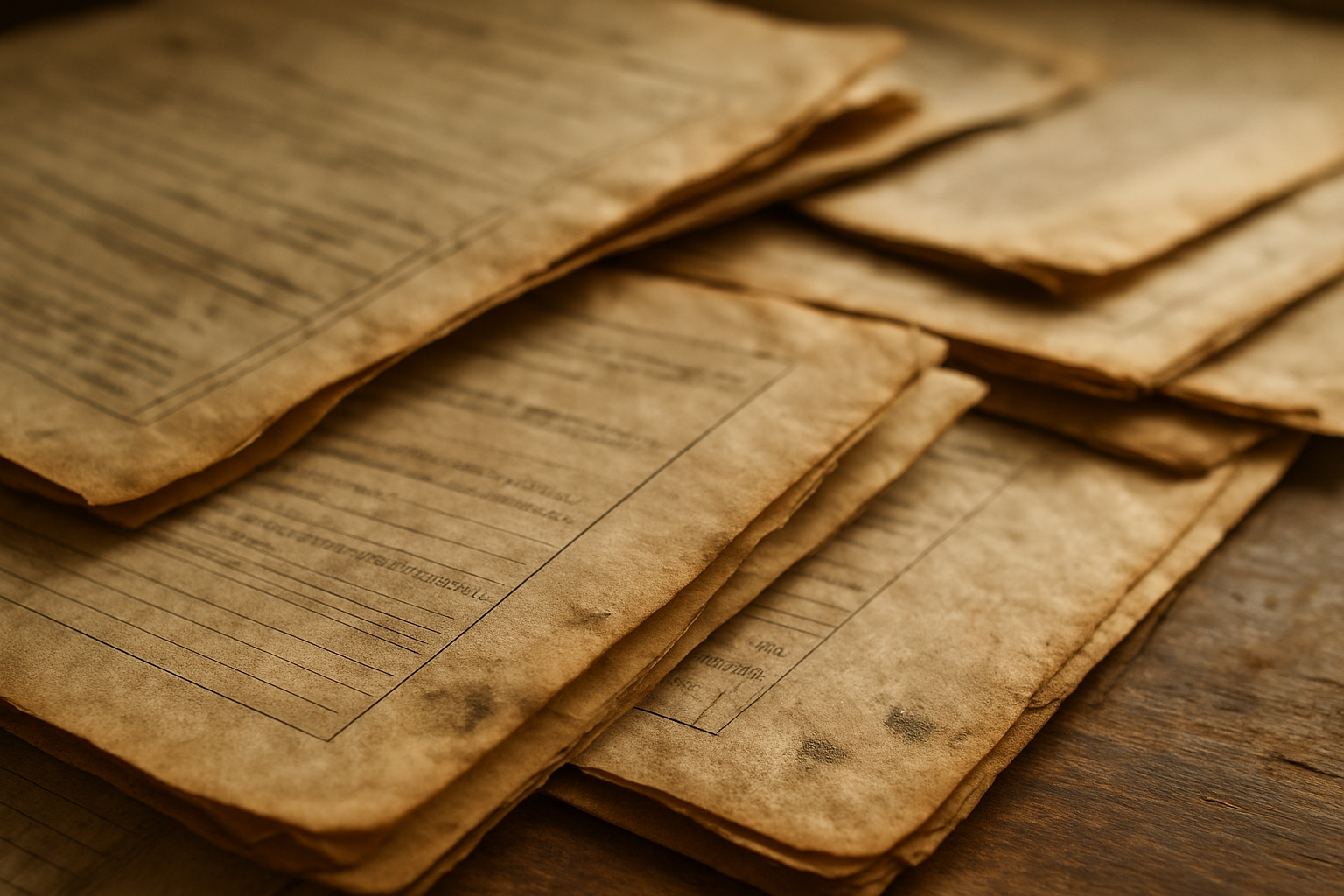
Earliest known appearance (and why it matters) The earliest known print appearance dates to the late 1950s. That timing matters because it anchors the line during Bankhead’s lifetime. It also places the quote in an era when newspapers ran “Quote of the Week” style roundups. Additionally, syndicated entertainment items traveled fast between cities. Therefore, a single remark could replicate across the country with minor edits. Even so, the earliest appearance does not prove she spoke it in that exact form. However, it does show that editors already linked the joke to her name. As a result, later citations likely copied an existing attribution rather than inventing one. Historical context: gossip columns, radio cadence, and the performance of “truth” Mid-century celebrity culture rewarded speed over accuracy. Columnists sold personality, not transcripts. For example, a writer might compress a long exchange into one sharp line. Additionally, editors often polished wording for rhythm. Therefore, even “true” quotes could arrive in print as stylized versions. Bankhead’s era also prized the “witty retort.” Meanwhile, stars competed for attention across Broadway, film, and radio. As a result, the public expected them to sound brilliant on demand. So when a quip about misquotations appeared, it matched the moment. However, it also mocked the very system that spread it. That irony helps explain its staying power. How the wording evolved over time The quote did not stay frozen. Instead, it shifted in small, telling ways. One early version reads like this: “Whatever you have read I have said is almost certainly untrue except if it is funny. In that case I said it.” Another later version begins, “Whatever you read I have said…” Those tweaks look minor, yet they change the voice. “Whatever you have read” sounds slightly formal. “Whatever you read” sounds breezier and more conversational. Additionally, “in which case I definitely said it” adds extra swagger. Therefore, editors and repeaters likely selected the punchiest cadence. You can also see the quote tighten into a single sentence. For example, later collections present it as one clean line with a strong finish. Variations, near-misses, and common misattributions People often detach the quote from Bankhead’s name. Then they attach it to whoever feels “witty enough.” In contrast, the strongest support still clusters around Bankhead in print. However, readers also create hybrids. For example, some versions swap “almost certainly untrue” for “probably false.” Additionally, others replace “funny” with “good.” Therefore, the quote sometimes loses its exact bite. You also see a structural variation: some people split it into two sentences. Meanwhile, others keep it as one long sentence for comedic momentum. Both choices change the timing. If you want to cite it responsibly, keep two things in mind. First, use a version that matches early print phrasing. Second, label it as “attributed” when you lack the original interview or recording.

What the quote reveals about Bankhead’s worldview The line shows a practical relationship with reputation. It does not beg for accuracy from strangers. Instead, it treats misquotation as inevitable. That stance makes sense for someone who lived in public. Additionally, it signals control through humor. When you joke first, you reduce the sting. Therefore, the quote works as a shield as much as a punchline. It also hints at a performer’s bargain with the audience. Bankhead, like many stars, benefited from legends. Meanwhile, she also suffered from them. As a result, she claims the best parts and discards the rest. Notice the final twist: “in which case I definitely said it.” That phrase turns attribution into a joke about attribution. Additionally, it invites the reader to laugh at the entire process. Cultural impact: why it keeps resurfacing This quote travels well because it solves a common social problem. People want to correct misinformation without sounding joyless. Therefore, they deploy this line as a witty reset. It also fits the internet’s remix culture. For example, users paste it under fake screenshots and misattributed memes. Additionally, writers use it as an epigraph for essays about truth and narrative. The quote also offers a gentle lesson in media literacy. It tells you to doubt what you “read” about someone. Meanwhile, it admits that funny lines survive on charm, not proof. As a result, it exposes how entertainment often outruns verification. Modern usage: how to use it without spreading more confusion Use the quote when you want to puncture a rumor cycle. However, pair it with clarity. For example, you can write: “Attributed to Tallulah Bankhead” and then share it. Source Additionally, you can mention that early newspaper printings circulated the quip in the late 1950s. If you publish it in a newsletter or blog, keep the wording consistent. Source Therefore, readers can recognize it and search it. Also, avoid attaching it to a different celebrity “because it fits.” That habit creates the exact problem the quote mocks. Finally, remember the quote’s deeper message. It invites skepticism, yet it also invites play. In other words, it asks you to hold truth and humor together. Conclusion: a quote about misquotes that refuses to die This line endures because it feels like a wink across decades. It captures the chaos of public storytelling in one clean snap. Additionally, it gives us a graceful way to step out of pointless correction battles. The print trail points most strongly to Tallulah Bankhead, even as wording shifts over time. So when the internet hands you a too-perfect “quote,” you can pause. Then you can smile, check the source, and share the joke carefully. Therefore, you honor both the humor and the truth the quote demands.