My phone buzzed at 2:00 a.m. during the final, grueling week of a software launch. A senior developer forwarded me a single sentence with absolutely no context. We had worked fourteen-hour days for a month straight to fix a cascading server failure. I initially dismissed the message as sleep-deprived nonsense until I actually read the words. The sheer accidental brilliance of the phrasing perfectly captured our miserable, mandatory all-nighter. Consequently, I realized this famous baseball quip held profound truth for any unavoidable ordeal. This late-night revelation sent me down a rabbit hole to uncover the true origin of this legendary phrase. I needed to understand how a simple slip of the tongue became a cultural touchstone. Therefore, I spent weeks digging through vintage newspaper archives and sports biographies. The history behind these famous words proved even more entertaining than the quote itself.
“I thank all of you for making this night necessary.”
The Earliest Known Appearance
Baseball fans cherish countless legendary quips, but few rival this accidental masterpiece. The origin of this specific quote traces back to the summer of 1947. The New York Yankees traveled to St. Louis to play the Browns in a highly anticipated matchup. Local fans organized a special celebration for their hometown hero.
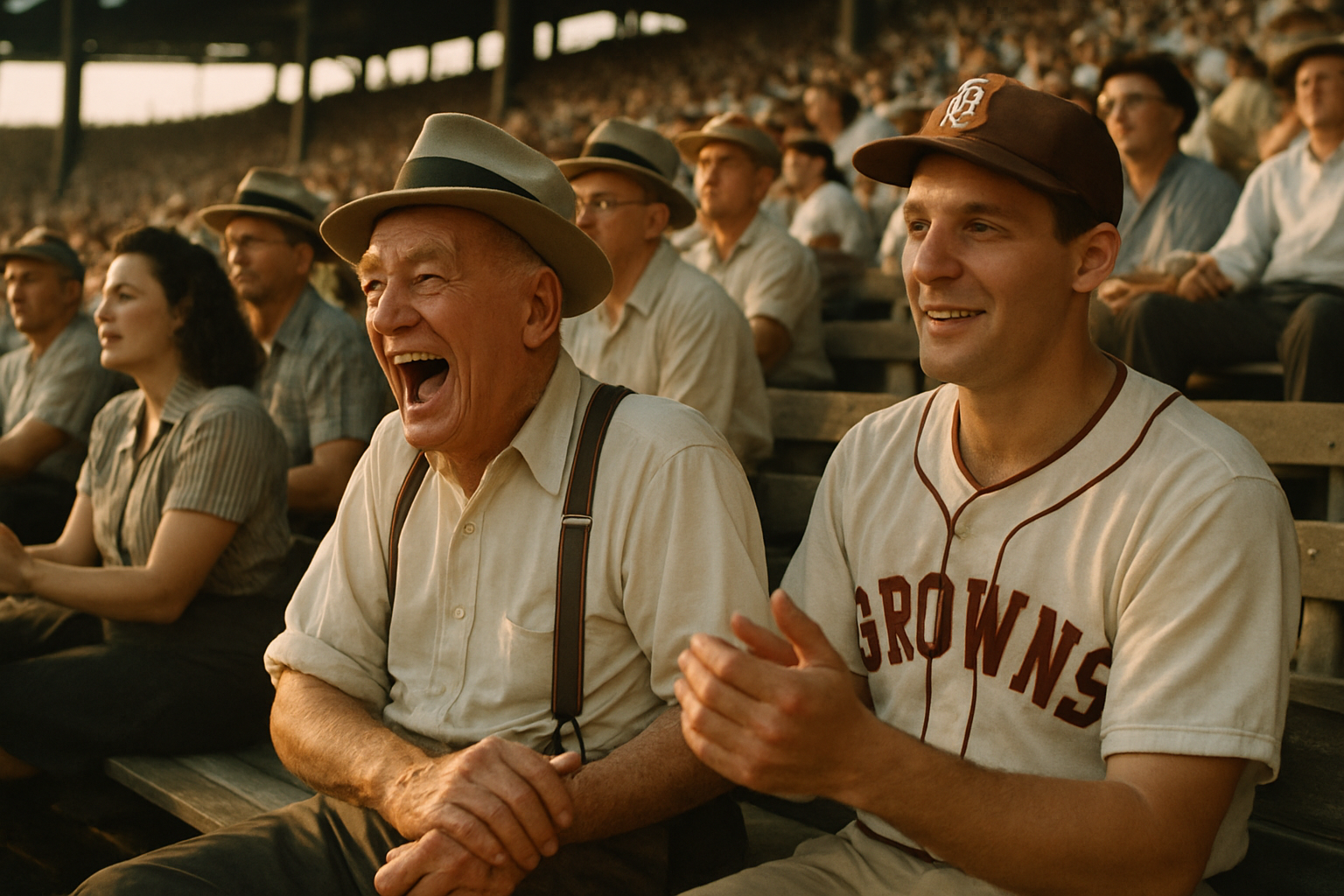
They officially named the event “Yogi Berra Night” at Sportsman’s Park. On June 12, 1947, a prominent journalist documented the awkward speech. . The young catcher grabbed the microphone, shuffled his feet uneasily, and blurted out the now-iconic line. Therefore, the earliest printed evidence confirms the event actually happened exactly as legend dictates.
Many sports myths completely lack contemporary documentary evidence. However, this particular anecdote boasts a solid paper trail from the very beginning. Reporters in the press box immediately recognized the comedic gold of the moment. They frantically scribbled the exact phrasing into their notebooks. Consequently, the quote appeared in major publications almost overnight. The Yankee players discussed the speech delightedly for weeks afterward. The sheepish athlete had unknowingly cemented his legacy as a master of accidental wit. Furthermore, the sheer absurdity of the statement guaranteed its survival in the cultural lexicon.
The precise wording of the original statement remains a topic of mild debate among historians. Nevertheless, the earliest citations consistently use the word “night” instead of “day.” The event took place under the stadium lights, making this distinction crucial. Reporters noted that the embarrassed player grabbed the microphone and shuffled uneasily. He clearly felt completely out of his element on that massive stage. As a result, the nervous energy translated into a hilariously backward expression of gratitude. This raw, unfiltered moment perfectly encapsulates the charm of early professional baseball. Fans loved him not just for his athletic prowess, but for his profound humanity.
Historical Context
Public speaking terrified the young athlete during his early career. His friends and neighbors from “The Hill” in St. Louis had pooled their nickels and dimes. They proudly purchased a new car to present to him on the field. Understandably, the pressure mounted significantly as the ceremony approached. Teammates teased him mercilessly about his upcoming public address. Eventually, the anxious rookie sought help from a more articulate colleague. He asked his teammate Bobby Brown to write a short, polite speech. Brown wrote a simple message thanking the fans for making the night “possible.” Berra memorized the lines and confidently approached the microphone. However, his nerves completely hijacked his brain at the crucial moment. The overwhelmed catcher swapped one critical word, changing baseball history forever.
The 1947 season represented a massive turning point for the young catcher. He carried the immense weight of establishing himself in the major leagues. Additionally, the rookie felt an intense obligation to honor his hometown supporters. They had sacrificed their hard-earned money to celebrate his success.

Therefore, the thought of disappointing them terrified him more than facing a blazing fastball. He recited Bobby Brown’s index card thousands of times in his head. The nervous player desperately wanted to project confidence and gratitude. Instead, his mouth betrayed him in the most spectacular fashion possible.
Interestingly, the crowd completely forgave the verbal stumble. The spectators understood the immense pressure resting on his young shoulders. Furthermore, the genuine emotion behind the mistake resonated deeply with the working-class audience. They did not expect polished oratory from a kid who grew up playing stickball on the streets. These loyal fans simply wanted to see their local boy succeed on the national stage. Consequently, the gaffe actually strengthened his bond with the public. It proved that fame and success had not fundamentally changed his character. He remained the same humble, slightly awkward kid from the neighborhood.
How the Quote Evolved
Newspapers across the country quickly picked up the hilarious gaffe. Source Furthermore, reporters began altering the phrasing almost immediately after the event. By August 1947, an Oregon newspaper changed the setting to a “Yogi Berra day.” Additionally, a Logansport, Indiana publication printed a version featuring the word “day” instead of “night.” . The timeline of these changes reveals how quickly oral history fractures. In 1949, a Cedar Rapids columnist tweaked the verb tense entirely. He wrote “made this day necessary” instead of “making this night necessary.” Consequently, the exact phrasing became incredibly difficult to pin down. The core humor remained intact, but the specific words shifted constantly.
These minor variations highlight the fluid nature of sports journalism during the mid-twentieth century. Writers often relied on memory or secondhand accounts when crafting their columns. Therefore, quotes frequently morphed as they traveled across the country via wire services. A reporter in Iowa might tweak a preposition to improve the flow of a sentence. Meanwhile, a columnist in Pennsylvania might accidentally swap “night” for “day” while rushing to meet a deadline.
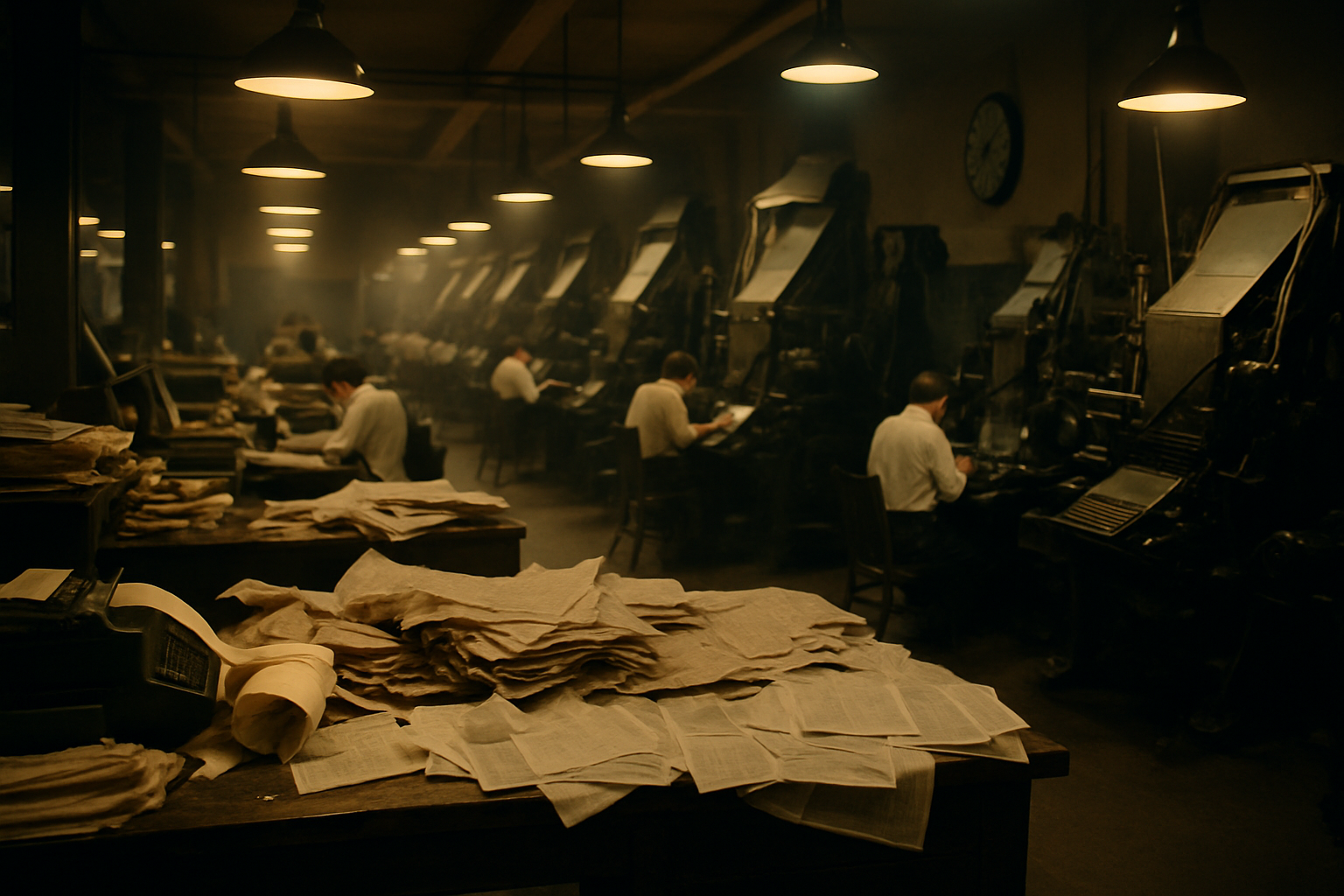
As a result, the historical record contains dozens of slightly different variations. This phenomenon perfectly illustrates the telephone game effect in print media.
Despite the shifting terminology, the fundamental punchline always survived. The inherent contradiction of thanking someone for a “necessary” burden transcended the specific vocabulary. Readers instantly grasped the humor regardless of whether the event happened during the day or night. Furthermore, the quote gained momentum as it spread through different regions. It evolved from a localized inside joke into a nationally recognized punchline. Sports writers actively used the anecdote to add color to their daily columns. Consequently, the phrase firmly embedded itself in the American consciousness by the early 1950s.
Variations and Misattributions
Interestingly, the speaker himself struggled to remember his exact words. Source The baseball legend published several autobiographies over his long, illustrious life. Each book presented a slightly different version of the famous incident. In his 1961 autobiography, he recalled saying “making this night necessary.” Conversely, his 1998 quote book altered the phrase to “making this day necessary.” . Later, a 2001 publication tweaked the phrase again to “made this night necessary.” This internal inconsistency proves that human memory often fails us. Even the creator of a famous quote cannot perfectly recall the moment.
Psychologists often note that we remember the emotional core of an event rather than the specific details. The famous catcher vividly remembered the crushing embarrassment and the roaring crowd. However, the exact syntax of his speech faded into the background over the decades. The aging athlete likely adopted the variations he read in the newspapers over the years. Therefore, his own retelling of the story morphed to match the popular consensus. This fascinating psychological quirk adds another layer of complexity to the quote’s history. It demonstrates how external narratives can rewrite our internal memories.
Nevertheless, the original 1947 newspaper reports provide the most reliable historical record. The event specifically took place at night, making the original quote the most accurate. We must prioritize contemporary evidence over decades-old recollections. The reporters who witnessed the speech firsthand captured the raw, unedited reality of the moment.

Consequently, we can definitively state that the “night necessary” version represents the true historical artifact. The later variations simply represent the natural evolution of a beloved cultural myth.
Cultural Impact
This legendary slip of the tongue essentially birthed the concept of the “Yogism.” The phrase perfectly encapsulated a unique brand of accidental, paradoxical wisdom. People instantly recognized the humor in thanking someone for an unavoidable obligation. For example, a 1962 newspaper juxtaposed the quote with a frustrated airline stewardess. She accidentally thanked passengers for the “inconvenience” during a flight delay. The reporter immediately compared her verbal stumble to the famous baseball speech. Consequently, the quote transcended the realm of sports entirely. It became a cultural shorthand for situations where gratitude and burden intersect. Society embraced the quote because it spoke a universal, awkward truth.
The concept of a “Yogism” eventually became a recognized literary device. It describes a statement that sounds completely illogical on the surface but contains a hidden, profound truth. This specific quote serves as the perfect archetype for the entire genre. It forces the listener to pause and unravel the contradiction. Furthermore, it highlights the absurdity of polite social conventions. We often feel obligated to express gratitude for events that cause us immense stress. Therefore, the accidental honesty of the quote resonates deeply with anyone who has ever survived a grueling public ceremony.
Ultimately, the phrase became a beloved tool for defusing tension. Public speakers frequently use it to acknowledge the exhaustion of their audience. It signals a shared understanding of the ridiculous nature of formal events. Consequently, the quote bridges the gap between the speaker and the crowd. It replaces stiff formality with genuine, relatable humor. The young catcher unknowingly gifted the world a perfect linguistic pressure valve. We continue to use it today because it perfectly articulates the exhaustion of modern life.
Author’s Life and Views
The legendary catcher eventually embraced his reputation as a linguistic trailblazer. Source Initially, the constant repetition of his verbal blunders embarrassed him. However, the pragmatic star soon realized these quotes endeared him to the American public. He actively leaned into the persona, publishing books celebrating his unique phrasing. The author often joked that he never actually said everything he said. . This self-awareness transformed him from a simple athlete into a beloved folk philosopher. Furthermore, the beloved icon understood that the humor stemmed from genuine vulnerability. He never tried to sound smarter than he actually was. As a result, his authentic, unpolished nature resonated deeply with ordinary people.
The clever athlete turned a terrifying moment of public embarrassment into a lifelong trademark. Many public figures would actively try to suppress evidence of their foolish mistakes. In contrast, this particular star actively monetized his unique brand of accidental genius. He appeared in countless television commercials, utilizing his famous phrases to sell products. Consequently, the retired player built a massive secondary career based entirely on his linguistic quirks. He proved that leaning into your flaws often yields better results than hiding them. His incredible success off the field matched his legendary achievements on the diamond.
His family and friends frequently noted his sharp, underlying intelligence. The veteran player possessed a deep understanding of human nature and social dynamics. Therefore, he knew exactly how to play the crowd and deliver a punchline. While he might have stumbled into his famous quotes accidentally, the athlete maintained his cultural relevance purposefully. He recognized the immense power of a good story. Ultimately, this self-taught philosopher curated his own legacy with remarkable skill and foresight. Today, he remains one of the most quoted figures in American history, standing alongside presidents and poets.
Modern Usage
Today, this brilliant quote frequently appears in incredibly diverse settings. Corporate executives use it to break the ice during mandatory, tedious meetings. Award winners jokingly recite it when accepting trophies after exhausting campaigns. Students write it in yearbooks to summarize their grueling academic journeys. The phrase perfectly captures the exhaustion of achieving a difficult goal. Additionally, it reminds us to find humor in our most stressful obligations. We all face necessary nights that test our patience and endurance. Therefore, reciting this classic quote provides a moment of shared, exhausted relief. Ultimately, this accidental masterpiece will continue to make people smile for generations.
Event planners often include the quote in wedding speeches and graduation addresses. It serves as a gentle acknowledgment of the massive effort required to organize large gatherings. Furthermore, it allows the speaker to express genuine gratitude while playfully complaining about the logistics. This delicate balance of appreciation and exhaustion makes the quote incredibly versatile. Consequently, you can hear it everywhere from local community centers to massive corporate boardrooms. It has completely detached from its baseball origins to become a universal idiom.
In conclusion, the journey of this famous phrase reveals the incredible power of accidental brilliance. A nervous young athlete completely botched a simple speech in 1947. However, his mistake generated a piece of enduring cultural wisdom. We continue to analyze and repeat his words because they capture a fundamental human experience. We constantly navigate situations that require both gratitude and immense effort. Therefore, we will always need this perfect, paradoxical quote to help us express the unvarnished truth. The night was indeed necessary, and we remain eternally grateful for the laughter it produced.