“When the politicians complain that television turns their proceedings into a circus, it should be made plain that the circus was already there.”
I first saw this line on a forwarded screenshot during a brutal workweek. A colleague sent it with no context, just the quote and a timestamp. I sat in my car, engine off, watching the last light fade. Meanwhile, my phone kept buzzing with breaking-news alerts and hot takes. The quote didn’t feel clever in that moment; it felt diagnostic. So, I went looking for who said it, when, and why.

Why this quote hits so hard This quote lands because it flips the blame. Politicians often accuse cameras of turning governance into theater. However, the line argues the theater already existed. Television simply revealed it to everyone. Additionally, the quote carries a warning about incentives. Once politicians know cameras watch, they may perform for the audience. Yet the quote insists performance predates the lens. As a result, it challenges an easy scapegoat. People also share it because it feels modern. It fits cable news, livestreams, and social clips. Therefore, it circulates whenever someone claims “the media made it crazy.” The earliest known appearance (and what it actually said) The strongest trail points to Edward R. Murrow in 1959. He delivered remarks in a lecture on television and politics in London. In that talk, he described a tense relationship between television and politicians. He also argued the camera should stay at arm’s length. Then he delivered the “circus” line in a longer form. Murrow’s fuller wording matters. He didn’t only mock politicians. He also described television’s duty to pursue truth aggressively. Moreover, he stressed privacy and decency limits. That mix of toughness and restraint shaped his public persona. Soon after, newspapers began reprinting a streamlined version. A late-December 1959 newspaper column grouped it with other quotations. Editors trimmed a phrase about “several countries.” They also shortened “television” to “TV.” Historical context: why 1959 mattered In 1959, television had already reshaped public life. More households watched nightly broadcasts and political coverage. Therefore, politicians had to adapt to a new kind of visibility. Cameras captured gestures, tone, and awkward pauses. As a result, image management started to matter more. Murrow spoke during that transition. He had watched radio evolve into television. He also saw how mass media could educate or inflame. Meanwhile, governments tried to control messages, especially during Cold War tensions. The “circus” metaphor also fit older political language. Long before TV, writers compared campaigns to spectacles. For example, a 1919 illustration used “Circus Time” to frame politics as showmanship. That earlier usage supports Murrow’s point. The performance came first, then the camera.
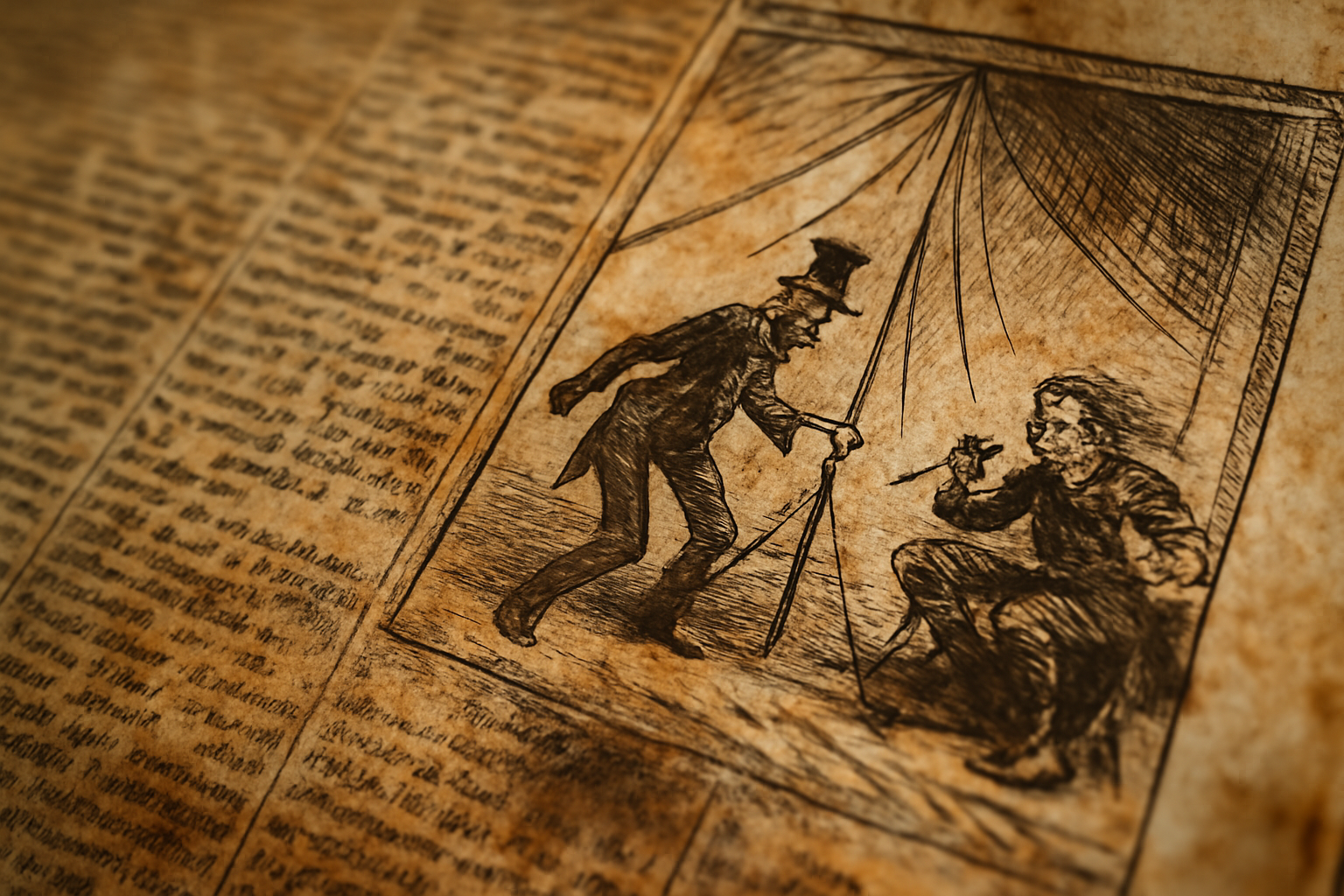
How the quote evolved over time The quote changed in small, predictable ways. Editors love shorter, punchier lines. So, they removed setup clauses and tightened rhythm. The core stayed stable: politicians complain, TV gets blamed, the circus already existed. However, one word swap became especially sticky. Many later versions use “plain” instead of “clear.” That change seems minor, yet it signals transmission. People often remember meaning, not exact diction. Therefore, “plain” spread because it sounded more aphoristic. Newspaper quote columns helped that evolution. Those columns often lacked full sourcing. They also encouraged reprinting without verification. As a result, the quote traveled faster than its bibliographic details. Variations and occasional misattributions Most versions still credit Murrow. Yet some versions attach a different title to him. One 1961 newspaper item labeled him “head of U.S. Information Agency.” That label creates confusion because Murrow later led the U.S. Information Agency in the early 1960s. Readers may assume he spoke the line in that role. However, evidence ties the remark to 1959 lectures instead. Additionally, the quote sometimes appears without any name. In that form, it becomes “folk wisdom.” People then reattach a famous media figure to legitimize it. Murrow fits because he symbolizes broadcast integrity. Therefore, attribution drift tends to circle back to him. Cartoons also amplify misremembering. A political cartoon can popularize a phrasing, even if it differs from the earliest text. Viewers then quote the cartoon’s wording as “the quote.” That process likely helped “plain” beat “clear” in modern sharing. David Horsey, Edward R. Murrow, and the 2016 revival In 2016, political cartoonist David Horsey published a cartoon that pictured Murrow watching clowns on a TV screen. The cartoon paired that image with the “circus was already there” line. It also used the “plain” wording. As a result, a new wave of readers met the quote through satire. That cartoon worked because it visualized the metaphor. It didn’t just say “circus.” It showed clowns, signs, and chaos. Additionally, it implied the audience shares responsibility. People watch, react, and reward performers.
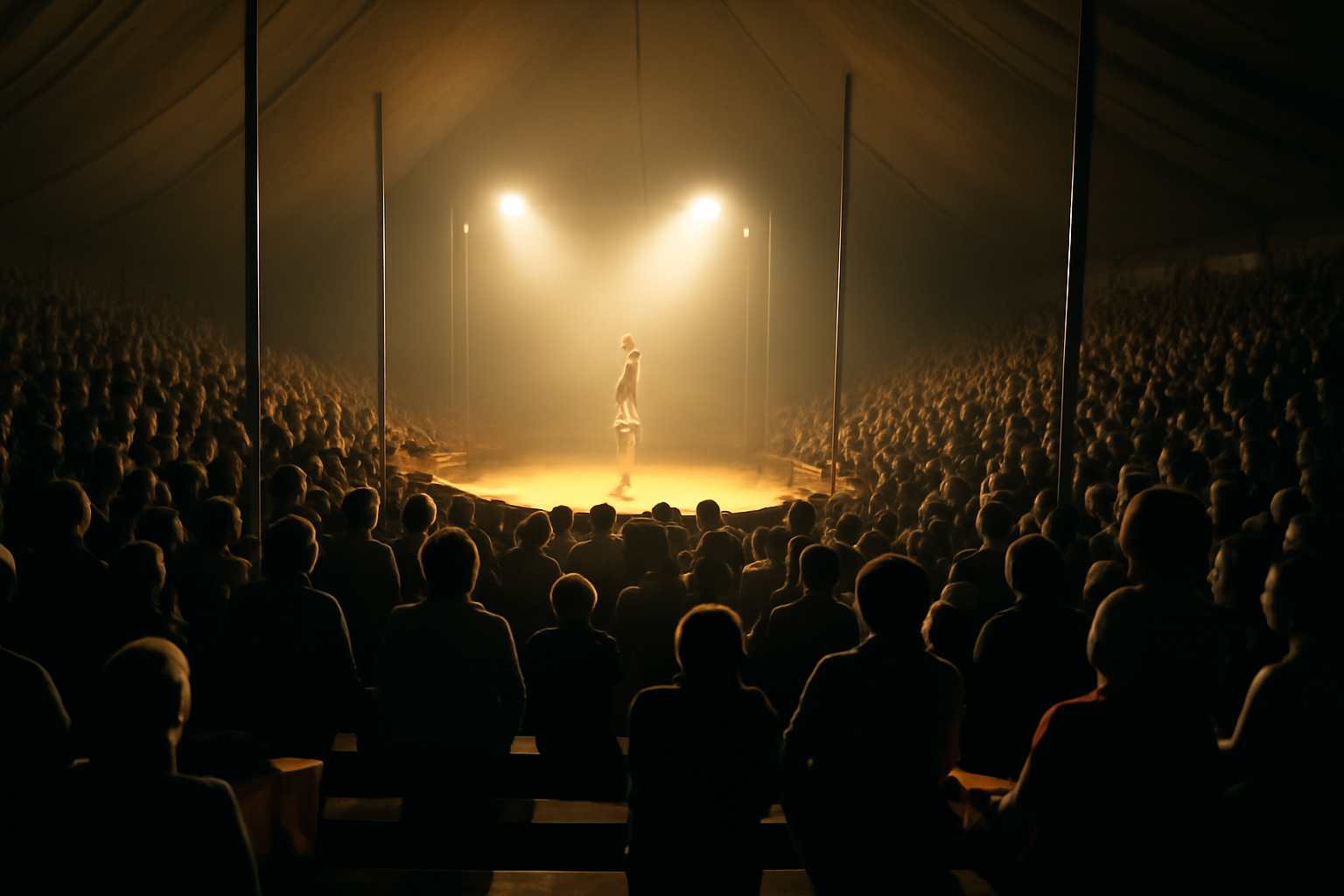
Murrow’s life and views: why he would say this Murrow built his reputation on direct, courageous reporting. He covered major events in Europe during World War II. He later became a defining voice in American broadcast journalism. Therefore, he cared deeply about how media shaped democracy. He also criticized television when it chased cheap entertainment. He pushed broadcasters to treat the medium as a public trust. However, he didn’t romanticize politicians either. He understood power, ego, and performance. That blend explains the quote’s bite. Murrow didn’t argue that television corrupts pure politics. Instead, he suggested politics already contains spectacle. Television simply reveals who trained for governance and who trained for applause. Cultural impact: why the “circus” metaphor persists The metaphor persists because it feels visual. Everyone knows what a circus looks like. You see spotlights, ringmasters, and rehearsed tricks. Therefore, the metaphor compresses a complex critique into one image. Additionally, the quote speaks to a recurring complaint cycle. Politicians attack coverage when it hurts them. Journalists defend exposure as accountability. The public then argues about “media bias” versus “public interest.” The quote cuts through that loop by reframing the premise. The line also fits international politics. Murrow even referenced complaints from multiple countries in the longer form. That detail suggests he saw a pattern, not an American quirk. As a result, readers in many democracies recognize the dynamic. Modern usage: social media, livestreams, and the new ring Today, politics plays out in clips and livestreams. A single exchange can dominate feeds within minutes. Therefore, politicians often craft moments for virality. They speak in punchy lines, not long arguments. However, the quote still challenges a lazy conclusion. It’s easy to blame platforms for attention-seeking behavior. Yet the line insists the impulse predates the technology. In contrast, technology changes scale and speed, not human nature. Additionally, modern audiences participate more directly. Comments, shares, and outrage metrics reward spectacle. As a result, the “circus” now includes the crowd, not just performers.
So what’s the most accurate attribution? The best-supported attribution points to Edward R. Murrow in 1959. The earliest solid print echoes appear in late 1959 and early 1960 newspaper quote collections. Those versions already show light editing. Later publications repeat the streamlined form, sometimes switching “clear” to “plain.” So, you can quote it with confidence and still note nuance. Source If you want maximum precision, you can credit Murrow and mention the 1959 lecture context. If you want the popular phrasing, you can keep “plain,” since print evidence shows that variant gained traction by the 1990s. Conclusion: the camera didn’t invent the performance This quote endures because it refuses a comforting story. It doesn’t let politicians blame the lens. It also doesn’t let audiences blame “the media” and move on. Instead, it says the show already existed, and the camera exposed it. When I think back to that screenshot in my car, I remember the feeling of recognition. Source The line didn’t offer hope, yet it offered clarity. Therefore, it still helps to know its roots. Murrow didn’t predict every platform we use now, but he nailed a timeless pattern.