The Door-Builder’s Philosophy: Milton Berle’s Timeless Wisdom on Opportunity
Milton Berle, the “Mr. Television” who helped launch an entire medium into American homes, stands as one of entertainment’s most resilient and reinventive figures. Born Mendel Berlinger in 1908 in New York City to a Jewish family, Berle began his career as a child vaudeville performer and silent film actor before transitioning into radio and, ultimately, becoming the first major television star during the medium’s explosive growth in the 1940s and 1950s. His catchphrase-laden hosting style on “Texaco Star Theater” became legendary, attracting millions of viewers and even spawning the nickname “Uncle Miltie” among devoted fans. Yet beneath the comedic exterior and endless supply of jokes lay a shrewd businessman and determined performer who understood something fundamental about success: it rarely comes to those who passively wait.
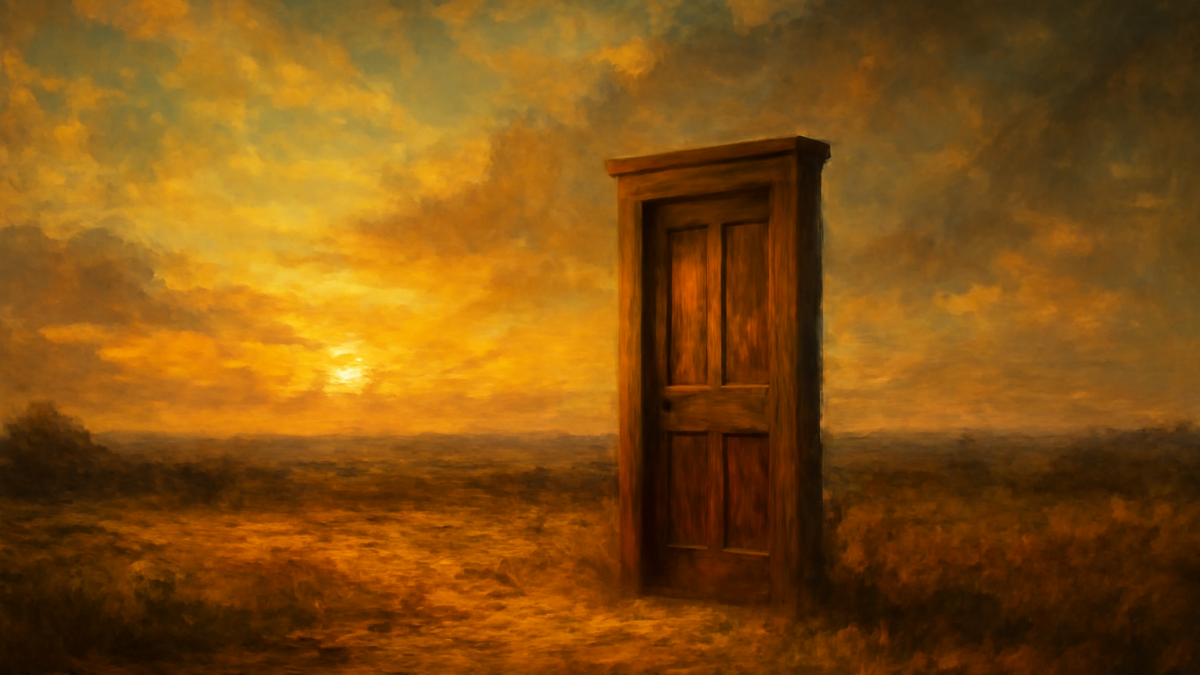
The quote “If opportunity doesn’t knock, build a door” encapsulates Berle’s philosophy perfectly, reflecting not merely the sentiment of an optimistic entertainer but rather the lived experience of a man who repeatedly created opportunities for himself throughout a career spanning over eight decades. The statement likely emerged during interviews or public appearances in the mid-twentieth century, when Berle was at the height of his influence and had become a cultural sage dispensing wisdom alongside punchlines. This was a period when American culture was fascinated with success stories and the notion that hard work and ambition could transform anyone’s fortunes, and Berle embodied this American dream narrative in a particularly vivid way.
What most people don’t realize about Berle is that his philosophy about creating opportunities was born from genuine necessity rather than mere cheerfulness. During the Great Depression, when much of America struggled with unemployment and despair, Berle was forced to constantly adapt and reinvent himself. He wasn’t always given the best roles or the most prestigious venues; instead, he aggressively pursued work, learning multiple entertainment forms and honing his craft across vaudeville, radio, films, and eventually television. He didn’t wait for producers to discover him in each new medium—he studied the landscape, identified emerging platforms, and positioned himself strategically within them. This pattern repeated itself even as television audiences eventually moved on to other stars; Berle continued working in guest appearances, voice acting, and other projects well into his nineties, demonstrating a remarkable ability to keep building new doors even when the original ones had closed.
The historical context of Berle’s rise in television also illuminates this quote’s deeper meaning. When commercial television was in its infancy, established entertainers from radio and film were skeptical about participating in what they considered an inferior medium. Berle, however, recognized television’s potential immediately and committed himself fully to it during a period when the technology was still experimental and the format undefined. He didn’t have the luxury of waiting for television to prove itself—he helped prove it by being willing to work in this uncertain new landscape. This aggressive opportunism, this willingness to build doors where none yet existed, proved far more valuable than the caution displayed by more established stars who waited until television’s success was already assured.
The cultural impact of Berle’s dictum has been considerable, particularly within entrepreneurial and motivational circles. The quote has been widely circulated in business literature, self-help books, and motivational seminars, resonating especially strongly with entrepreneurs who must create opportunities in competitive markets. Unlike passive advice to “wait for your chance” or “trust in luck,” Berle’s statement empowers people to take control of their destinies through active creation. It suggests that waiting is a form of surrender, that the resourceful and determined person can manufacture advantage through ingenuity and effort. In an era of social media and personal branding, where individuals are increasingly responsible for creating their own platforms and opportunities, the advice has arguably become even more relevant than when Berle first articulated it.
What makes this philosophy particularly resilient across time is its fundamental truth about human agency. While luck and timing certainly play roles in success, Berle’s insight focuses on what remains within individual control: effort, adaptability, and creative thinking. This distinguishes the quote from mere motivational clichés. It’s not saying “anything is possible” or “follow your dreams”—it’s saying something more specific and pragmatic: if the existing structures don’t provide what you need, construct new ones. This resonates in everyday life for people facing dead-end jobs, insufficient opportunities in their communities, or industries resistant to change. A recent graduate unable to find traditional employment might build a freelance career; an artist unable to secure gallery representation might create an online presence; an underrepresented community member unable to access certain circles might establish new networks.
Lesser-known aspects of Berle’s life reveal the extent to which he lived according to this philosophy. Beyond his career reinventions, Berle was known for his generosity and mentorship of younger performers, essentially building a door through which others could pass. He was also an avid joke collector and writer, continuously updating and refining his material rather than relying on past success. Even his legendary reputation for telling jokes compulsively—a habit that sometimes made him exhausting to be around—reflects his fundamental belief that opportunity exists for those who actively create and offer value. He didn’t wait for audiences to come to him; he performed, innovated, and positioned himself everywhere possible. His personal life also reflected this doctrine; he married four times and maintained relationships across decades, always looking forward rather than backward, always seeking new connections