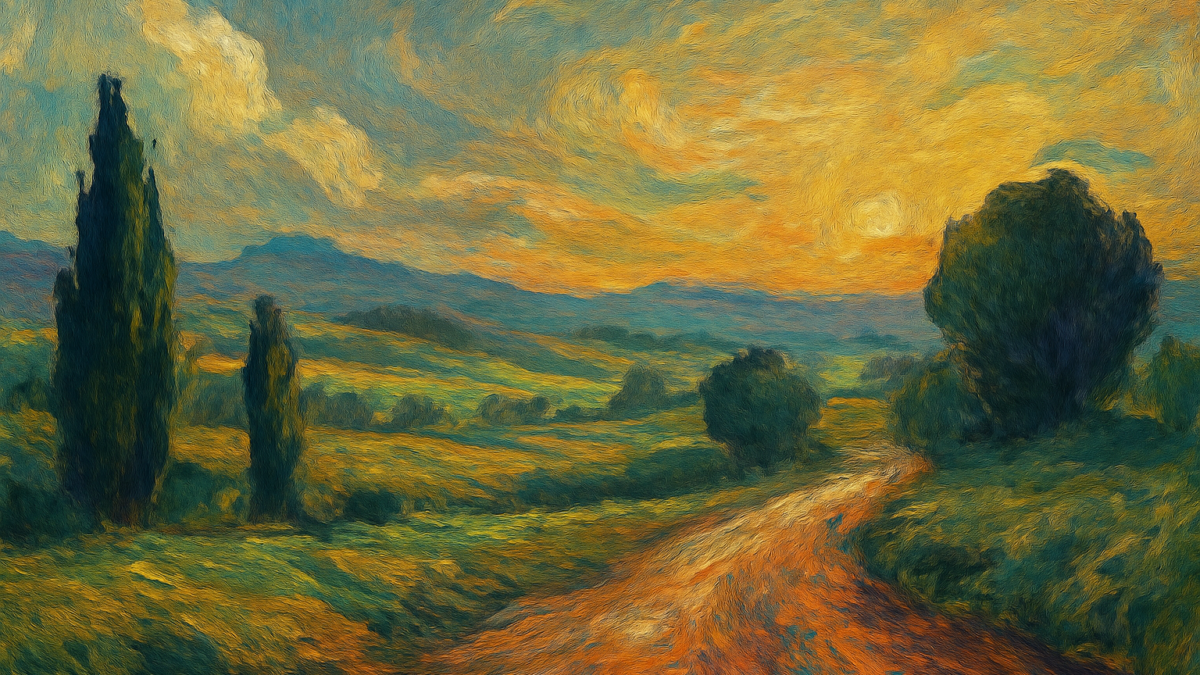
Procrastination, Art, and the Weight of Mortality: Picasso’s Paradoxical Wisdom
Pablo Picasso’s declaration that we should “only put off until tomorrow what you are willing to die having left undone” stands as one of the most paradoxical pieces of wisdom ever attributed to him. The quote is often invoked by productivity gurus, motivational speakers, and self-help authors who cite it as a stern rebuke against procrastination and wasted time. Yet this attribution reveals something fascinating about how we misunderstand both the quote and the man behind it. Most scholars cannot definitively trace this statement to any published work by Picasso himself, suggesting it may be a retrofitted aphorism—one that became associated with the legendary artist because it seems to capture a certain philosophy of urgency and living fully. The saying likely emerged from interviews, conversations, or memoirs about Picasso, and in the game of telephone that is cultural transmission, it became crystallized into something quotable and attributable.
To understand why this quote came to be associated with Picasso, one must consider the extraordinary life and philosophy of the man himself. Born Pablo Diego José Francisco de Paula Juan Nepomuceno María de los Remedios Cipriano de la Santísima Trinidad Ruiz y Picasso on October 25, 1881, in Málaga, Spain, Picasso embodied the idea of constant creative urgency and relentless production. His father was an academic painter and art teacher, and young Pablo showed precocious talent, allegedly painting before he could walk and creating his first formal artwork at the age of nine. Throughout his ninety-one-year lifespan, Picasso produced an estimated 50,000 works of art—paintings, sculptures, ceramics, prints, and collages. This staggering output wasn’t the result of perfectionism but of what might be called creative urgency: a refusal to waste time, a compulsion to explore every medium, every style, every possible expression of visual language. For Picasso, creation itself was the point; perfection was secondary to production.
What most people don’t realize about Picasso is that beneath his reputation as a carefree bohemian innovator lay a profound anxiety about death and time. His personal notebooks and letters reveal a man obsessed with mortality, particularly as he aged. During his later years, Picasso became increasingly prolific, almost frantically so, as if he were trying to outrun the inevitable. Friends and biographers noted that he worked with a desperate energy in his final decades, aware that his time was limited. The philosophy embedded in the quote about dying with unfinished business stems directly from this personal experience. Picasso wasn’t counseling idle productivity for its own sake; he was articulating a deeply held belief that artistic and human expression should never be deferred. In this light, the quote transforms from a productivity maxim into something more existential: a meditation on living authentically and creating meaning before death claims us.
The historical context of this quote’s attribution likely traces back to the mid-twentieth century, when Picasso was at the height of his fame and cultural influence. During the 1950s and 1960s, Picasso had become not just an artist but a philosophy unto himself—a symbol of creative freedom, leftist politics, and the rejection of bourgeois convention. Journalists, writers, and intellectuals sought out Picasso’s wisdom, and he became known for pithy, memorable statements about art and life. It was during this period that various sayings attributed to him circulated—some verified, many dubious. The quote about procrastination and death likely emerged from conversations with journalists or from paraphrased discussions about his approach to work. That it was never firmly documented in any primary source actually enhances its cultural power; it became what people wished Picasso had said, what seemed authentically “Picasso” even if it wasn’t verifiable.
The quote’s cultural journey reveals how aphorisms are sometimes invented retroactively to serve contemporary needs. In the late twentieth century, as the self-help and productivity industries exploded, this statement became enormously popular precisely because it seemed to offer a philosophical foundation for the modern obsession with time management and accomplishment. Business gurus, life coaches, and motivational speakers embraced it because it combined the moral authority of a genius artist with a practical imperative to action. The internet age amplified this phenomenon; the quote proliferated across social media, inspirational websites, and motivational posters, often accompanied by a dramatic black-and-white photograph of Picasso with a cigarette. In this iteration, the quote was stripped of its existential context and repurposed as a straightforward argument against procrastination. The irony is palpable: a statement that might have emerged from Picasso’s anxious meditations on mortality became simplified into a productivity hack.
What makes this quote so psychologically powerful, regardless of its attribution accuracy, is that it invokes the perspective of death to illuminate our present choices. Unlike other anti-procrastination advice, which often appeals to ambition or self-improvement, Picasso’s formulation works through mortality awareness. It asks us to perform a kind of mental exercise: imagine you are at the end of your life, looking back. What would you regret having left undone? The implication is that genuine regrets—the things we truly wish we had done—are those worth doing today. This is radically different from saying “do everything” or “never rest.” The quote implies that most
The Power of Pablo Picasso’s Procrastination Quote
Often attributed to the legendary Spanish artist Pablo Picasso — though the true origin remains a subject of debate among quote enthusiasts — this deceptively simple line carries extraordinary philosophical weight. “Only put off until tomorrow what you are willing to die having left undone” reframes procrastination not as a productivity problem, but as a moral reckoning. Rather than urging you to work harder or manage your time better, it asks you to sit with something far more uncomfortable: the reality of your own mortality. By placing a hypothetical deathbed at the center of your daily decision-making, it forces an immediate and honest audit of what you are actually choosing to delay — and why.
What makes this quote far more powerful than typical anti-procrastination advice is its refusal to moralize in the usual way. Most productivity wisdom tells you that delaying tasks is inefficient or lazy. This quote doesn’t appeal to your calendar — it appeals to your conscience. When you consider whether you’d be at peace leaving something unfinished at the end of your life, the trivialities you’ve been avoiding suddenly feel very different from the meaningful work you keep putting off. That passion project, that difficult conversation, that creative dream — confronting mortality strips away every convenient excuse and leaves only the raw truth of what genuinely matters to you.
Incorporating this mindset into your daily life doesn’t require dramatic changes. It simply requires a moment of honest reflection before you defer something important. Ask yourself: if today were my last day, would I be at peace with leaving this undone? If the answer is no, that task deserves your attention now — not someday. The wisdom embedded in “only put off until tomorrow what you are willing to die having left undone” is not about fear; it is about clarity. It is one of the most elegant tools we have for cutting through distraction and reconnecting with the life we actually want to be living.