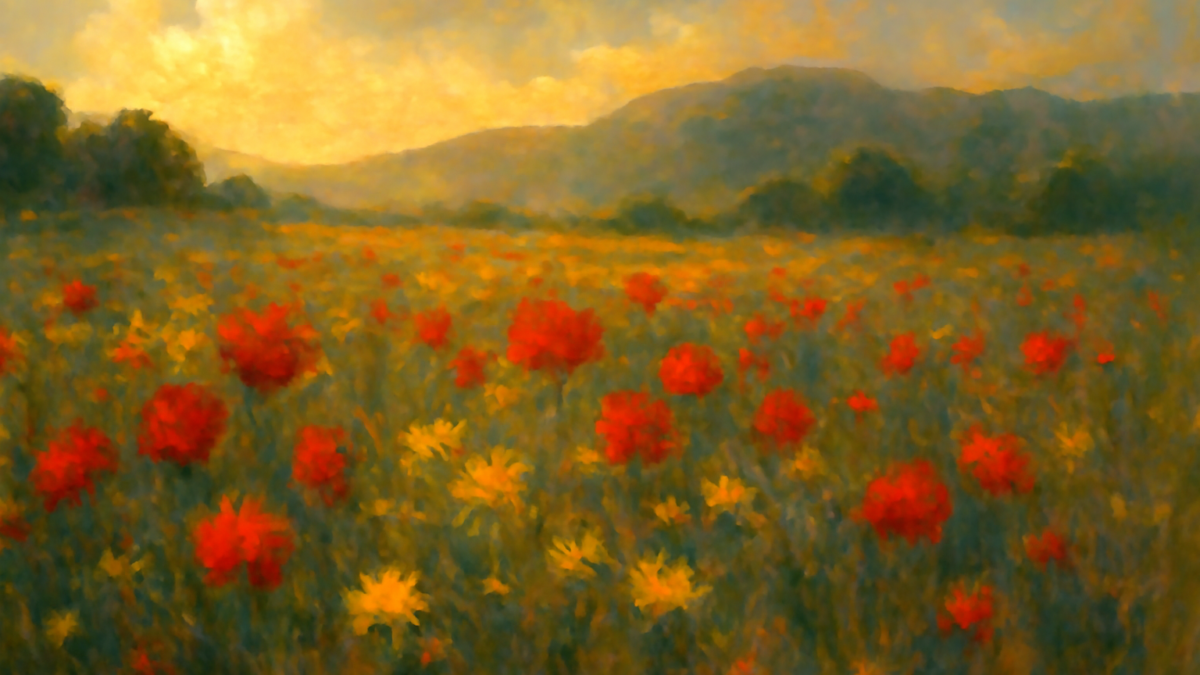
The Philosophy of Letting Go: Understanding Osho’s Vision of Love
This deceptively simple meditation on flowers and love emerged from one of the twentieth century’s most controversial spiritual teachers, a man known by many names and surrounded by countless myths. Osho, born Rajneesh Chandra Mohan in 1931 in India, became perhaps the most intellectually restless and iconoclastic guru in modern spiritual history. The quote likely originated during his decades of discourse sessions in the 1970s and 1980s, when he delivered thousands of spontaneous talks to his growing community of followers. These weren’t prepared speeches but rather improvisational philosophical meditations, often lasting hours, touching on everything from ancient mystics to contemporary psychology, from sexuality to meditation. The flower metaphor exemplifies Osho’s teaching style: taking something universally understood and using it to challenge our most fundamental assumptions about desire, attachment, and what we call love.
Born in a small village in central India, Osho showed precocious intellectual gifts that set him apart even as a child. By his twenties, he had earned a master’s degree in philosophy and began speaking publicly against religious hypocrisy and social conformity with a boldness that scandalized traditional Indian society. Unlike other spiritual teachers who positioned themselves as humble servants of ancient traditions, Osho openly declared his independence from religious orthodoxy and claimed to speak from his own enlightened perspective. He began gathering disciples in Mumbai in the late 1960s, establishing an ashram that would become famous—or infamous, depending on one’s view—for its unconventional approach to spirituality. Rather than demanding ascetic renunciation, Osho encouraged his followers to engage fully with life, including its pleasures, while simultaneously working toward spiritual transformation. This radical stance earned him the nickname “the sex guru” in Western media, a reductive label that obscured his actual philosophy but certainly attracted attention.
What most people don’t realize about Osho is that beneath his provocative persona lay a genuinely erudite mind steeped in multiple philosophical and religious traditions. He had deeply studied not only Hindu and Buddhist texts but also Western philosophers, psychologists, and even contemporary literature. His library contained thousands of books, and he spent considerable time reading and reflecting. Furthermore, Osho’s approach was informed by a sophisticated understanding of human psychology avant la lettre. He recognized that spiritual growth required acknowledging and working through psychological wounds rather than simply transcending them through rigid discipline. This integration of Eastern spirituality with Western psychology was far ahead of its time and influenced countless contemporary teachers and therapists who might never acknowledge the debt they owe to his insights.
The flower quote perfectly encapsulates the central tension in Osho’s philosophy: the distinction between love as possession and love as appreciation. In the context of Indian spirituality and traditional romantic relationships, this was genuinely revolutionary. Osho challenged the notion that love means ownership, that to love someone means to control them, keep them, or make them yours exclusively. Instead, he proposed a radically different vision where love means allowing the beloved—whether a person or a flower—to flourish in their own nature. The quote also reflects his critique of how humans approach relationships, spirituality, and even spiritual teachers themselves. He believed people often sought enlightenment or spiritual guidance as a way to possess truth, to own a special spiritual status, when the real path involved releasing such grasping. When you pick the flower, you destroy what made it beautiful; similarly, when you try to possess love, you kill what makes it alive.
Over decades, this quote has resonated across cultures and contexts in ways Osho himself might not have predicted. It has become particularly powerful in contemporary discussions about relationships, parenting, and environmental ethics. In the age of social media and performative relationships, the idea that love means letting go rather than controlling or capturing feels almost subversive. Parents have cited it while trying to raise independent children, therapists have used it to help clients understand unhealthy attachment patterns, and environmentalists have invoked it in arguments for conservation—allowing nature to exist in its own integrity rather than exploiting it. The quote appears constantly on Instagram, in self-help books, and in wedding ceremonies, often stripped of its philosophical context but still carrying its essential wisdom. It has become something of a cultural touchstone for anyone questioning whether modern relationships and consumption patterns actually serve human flourishing.
Osho’s life and influence, however, cannot be divorced from significant controversy. His ashram in Oregon in the 1980s became a site of scandal involving bioterrorism, fraud, and numerous legal violations by his inner circle. Though Osho himself was never directly convicted of crimes, the ashram’s collapse in 1985 damaged his credibility significantly, particularly in the West. He spent his final years returning to India, where he died in 1990 under circumstances that remain somewhat mysterious, with some followers believing he was poisoned by enemies. In the years since, his teachings have been subject to various interpretations and appropriations, some faithful to his vision and others distorting his actual philosophy. Yet his core insights about attachment, freedom, and love have only become more relevant as societies grapple with rising rates of anxiety, depression, and relationship dysfunction tied to possessiveness and control.
The enduring power of the flower quote lies in its profound simplicity and its applicability to countless life situations beyond romance. Consider how it applies to parenting: the parent who truly loves their child must gradually release them rather than clinging to them, allowing them to become their own person. Consider how it applies to career ambitions: the artist who