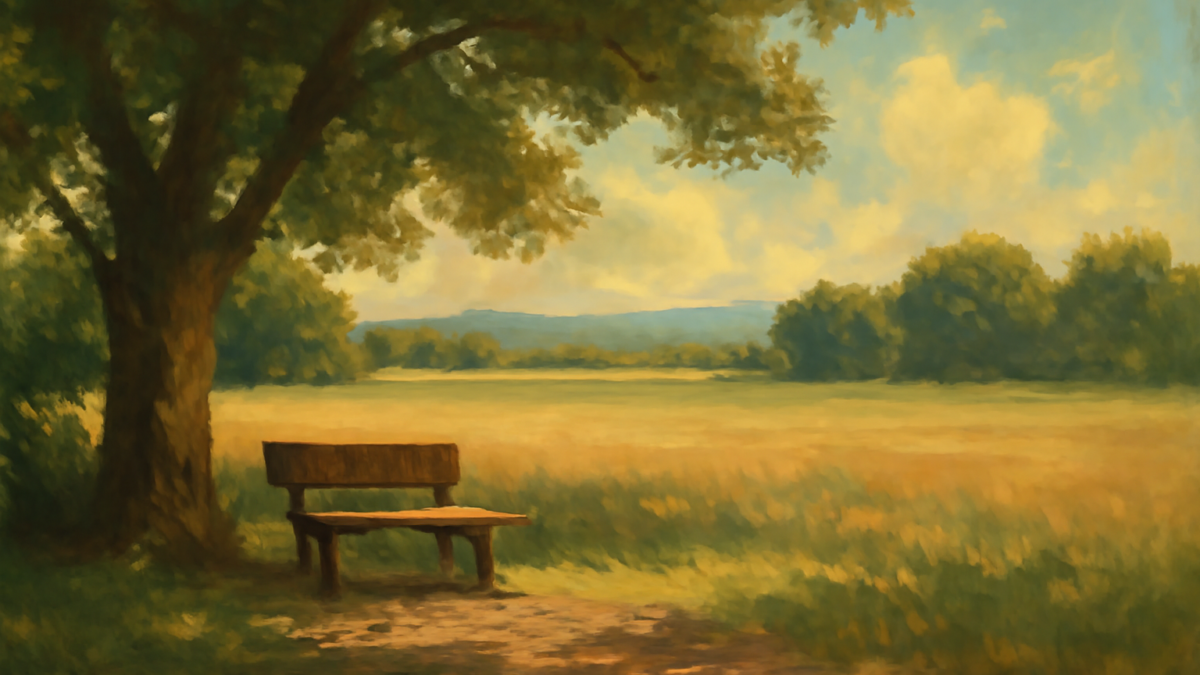
Warren Buffett’s Legacy of Long-Term Thinking
Warren Buffett, one of the world’s most successful investors and philanthropists, offered this deceptively simple observation about the power of delayed gratification and long-term investment. The quote encapsulates a philosophy that has guided both his business decisions and his approach to life, yet it stands out precisely because it shifts focus away from personal gain to speak to the interconnectedness of human progress across generations. This insight, though often cited in business contexts, actually represents something far more profound than mere financial strategy—it’s a meditation on responsibility, patience, and the legacy we leave behind.
Born in Omaha, Nebraska, in 1930, Warren Edward Buffett grew up during the Great Depression, an experience that shaped his cautious yet opportunistic approach to wealth accumulation. His father, Howard Buffett, was a stock broker and congressman who emphasized the importance of financial literacy and ethical conduct, instilling in young Warren a sense that money was a tool for building something meaningful rather than an end in itself. By age eleven, Buffett had already started his first business ventures, and by the time he was in high school, he had filed his first tax return and purchased his first stock. These early experiences were less about getting rich quick and more about understanding systems, patience, and the compound effects of small, consistent actions over time.
Buffett’s investment philosophy is built on the concept of “value investing,” a discipline he learned from his mentor, Benjamin Graham, at Columbia University in the late 1940s. Graham’s influence cannot be overstated—he taught Buffett to think like a business owner rather than a stock trader, to look for companies trading below their intrinsic value, and to hold them for the long term. This approach required an almost monastic patience and a willingness to ignore the noise of short-term market fluctuations. The quote about the shade and the tree reflects this exact mentality: just as farmers plant crops they may never harvest themselves, investors and business leaders should think in terms of decades and centuries, not quarters and years. This long-term orientation became the cornerstone of Berkshire Hathaway, the conglomerate he transformed from a failing textile mill into one of the world’s most valuable companies.
What many people don’t realize about Buffett is that despite his legendary wealth—estimated at over $100 billion at various points—he has chosen to live a relatively modest lifestyle for most of his life. He still lives in the same Omaha house he bought in 1958 for $31,500, drives himself rather than employing a chauffeur, and is known for his love of simple pleasures like Cherry Coke and Nebraska Furniture Mart shopping. More significantly, Buffett is famously frugal with his own spending while being extraordinarily generous with others. In 2006, he announced his intention to give away 99 percent of his wealth to philanthropic causes, primarily through the Bill and Melinda Gates Foundation. This wasn’t a last-minute decision but rather a logical extension of his philosophy: if wealth is a tool, then its greatest tool-like quality is its capacity to improve lives and create better systems for future generations.
The specific context in which Buffett made this statement likely relates to his frequent discussions about responsibility and stewardship in his annual Berkshire Hathaway letters to shareholders. These letters, which have become legendary in the investment world for their clarity and wisdom, regularly feature tree-planting metaphors and references to playing the long game. Buffett often emphasizes that businesses aren’t just vehicles for personal enrichment but institutions that employees depend on, communities are built around, and future generations inherit. The shade-and-tree metaphor has been used repeatedly in modern business literature, often appearing in discussions about sustainable business practices, corporate social responsibility, and the long-term thinking necessary to address climate change, education, and healthcare.
Over the years, the quote has become particularly resonant in conversations about climate change and environmental stewardship. Environmental advocates have adopted it to speak about the urgency of taking action today for a livable tomorrow—the scientists planting the intellectual trees of climate research today, the policy makers planting trees of regulation, the innovators planting trees of renewable energy technology. Each action compounds over time, and we benefit today from forests planted by people we’ll never meet, just as we plant forests whose shade we’ll never sit under. This expansion of the quote’s meaning demonstrates how truly universal its wisdom is, capable of applying to any endeavor that requires patience and faith in the future.
In everyday life, this quote speaks to a tension at the heart of modern existence: we live in an age of instant gratification, where algorithms are designed to deliver what we want immediately, where social media rewards quick reactions over thoughtful analysis, and where quarterly earnings reports matter more to many people than a company’s long-term trajectory. Buffett’s tree-planting wisdom suggests a different way of living—one where we invest in our education knowing we won’t use all of it immediately, where we maintain relationships patiently rather than discarding them, where we take care of our health through unglamorous daily exercise, and where we consider how our choices affect people we’ll never know. For parents, it means spending time with children that seems inefficient in the moment but compounds into emotional security and family bonds. For professionals, it means building expertise and reputation steadily rather than seeking quick promotions or viral moments.
The profound appeal of this quote lies partly in its implicit moral optimism. In a world often characterized by short-term thinking and individual competition, Buff