The Resilient Poetry of Maya Angelou’s Love
Maya Angelou, born Marguerite Ann Johnson on April 4, 1928, in St. Louis, Missouri, would become one of the most celebrated voices in American literature and civil rights advocacy. This particular quote about love’s boundless nature reflects not merely philosophical musing but the hard-won wisdom of a woman whose life was punctuated by extraordinary trauma, silence, resilience, and ultimately, transcendent voice. Angelou’s journey from a childhood marked by racism, poverty, and sexual assault to becoming a celebrated poet, memoirist, and cultural icon is itself a testament to the very sentiment expressed in these words. The quote emerges from her broader body of work, which consistently championed the transformative power of love and human connection in overcoming life’s most devastating obstacles.
The context in which this quote likely circulated comes from Angelou’s prolific career as a speaker, poet, and writer spanning from the 1950s through the early 2000s. While it appears in various collections and has been attributed to her numerous times across the internet and inspirational literature, the quote encapsulates themes that permeate her most famous works, particularly her seven-volume autobiography beginning with “I Know Why the Caged Bird Sings” published in 1969. This groundbreaking memoir introduced readers to the powerful narrative of her silence—a five-year period of self-imposed mutism following a traumatic event in her childhood. Even before the publication of this seminal work, Angelou was already carving out a unique place in American culture as a dancer, singer, streetcar conductor, cook, and activist alongside her literary endeavors. The quote reflects the philosophical optimism that characterized her approach to discussing human potential and emotional connection during a period when she was increasingly asked to speak about overcoming adversity.
Angelou’s life was marked by circumstances that would have defeated many spirits, yet she repeatedly transformed her pain into purpose. Born during the Great Depression in the Jim Crow South, she was repeatedly shuttled between her mother and grandmother during childhood, eventually finding stability with her grandmother in Stamps, Arkansas. At age eight, she was sexually assaulted by her mother’s boyfriend, and as a result, she stopped speaking for nearly five years. During this period of silence, she read voraciously and developed a deep love for language and literature, an experience that paradoxically became foundational to her future as a writer. Few people realize that Angelou’s early career included work as a streetcar conductor in San Francisco—making her the first African American female conductor in that city—and that she trained as a dancer and performed in clubs throughout California and the Caribbean. These diverse experiences enriched her perspective and gave her an acute understanding of human nature across different communities and classes.
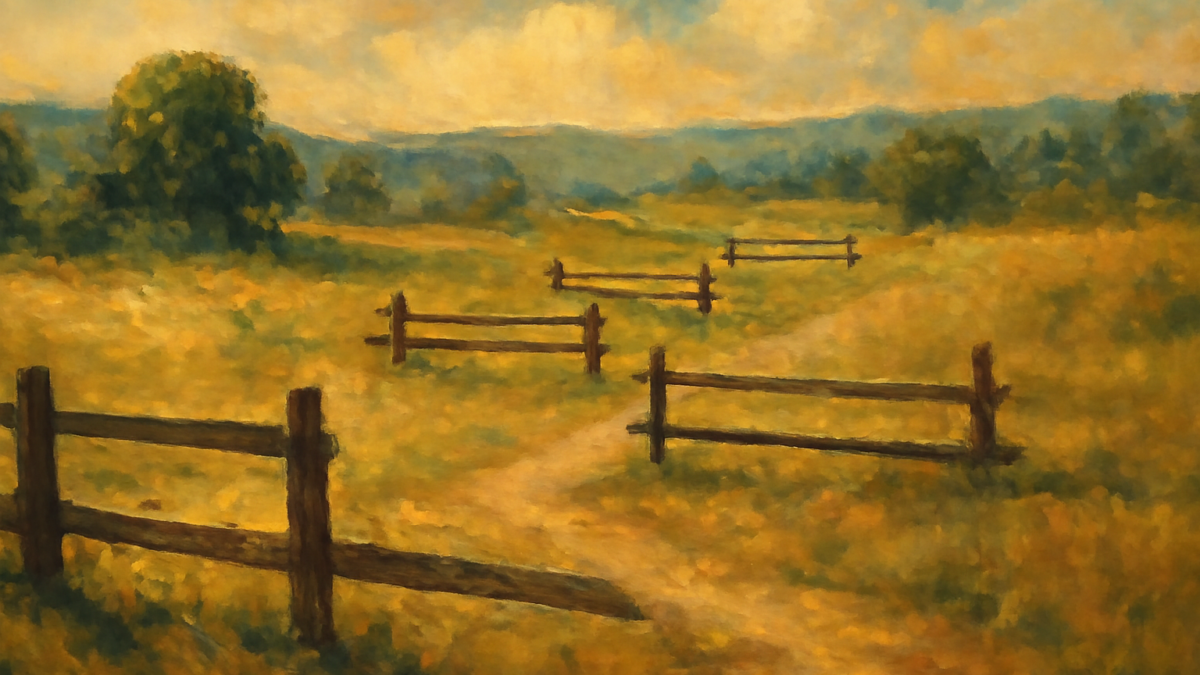
The specific resonance of this quote about love lies in how it directly contradicts the barriers that defined much of Angelou’s era and personal history. In the 1960s and beyond, when Angelou was increasingly visible as a public intellectual and artist, she spoke to audiences navigating civil rights struggles, personal trauma, and systemic oppression. Love, in her formulation, is not a passive sentiment but an active force with agency—it “jumps hurdles, leaps fences, penetrates walls.” This description mirrors the very trajectory of the Civil Rights Movement in which Angelou participated directly, having served as the Northern Coordinator for the Southern Christian Leadership Conference (SCLC) under Dr. Martin Luther King Jr.’s leadership. Her work with King and other activists demonstrated her belief that love, when wielded strategically and courageously, could indeed overcome seemingly insurmountable barriers of prejudice and segregation. The quote’s military language—jumping, leaping, penetrating—suggests that love is not merely an emotion but a force of liberation and transformation that actively battles against whatever seeks to constrain human connection and dignity.
What makes Angelou’s perspective on love particularly compelling is that it emerged not from abstract philosophy but from lived experience of both profound loss and connection. In her personal relationships, she experienced deep love, devastating heartbreak, and the complexities of motherhood while navigating a career that demanded constant reinvention and growth. She was married three times and had a beloved only son, Guy, whom she raised largely as a single mother while building her career across multiple artistic disciplines. One lesser-known fact is that Angelou achieved a remarkable breadth of accomplishment that went well beyond literature—she was nominated for a Grammy Award for Best Spoken Word Album, won a Tony Award nomination for her theatrical work, and was appointed to several prominent positions including as a Reynolds Professor of American Studies at Wake Forest University, where she taught for over thirty years. Her commitment to education and nurturing new generations of writers and thinkers reflected her belief in love’s power to transform potential into achievement.
The cultural impact of this particular quote has grown exponentially in the digital age, appearing on motivational posters, social media platforms, wedding invitations, and self-help literature. This proliferation speaks to a universal hunger for reassurance that love—whether romantic, familial, communal, or spiritual—can transcend the barriers we perceive as immovable. In recent decades, as conversations around mental health, trauma recovery, and social justice have deepened, Angelou’s words have taken on additional resonance for people navigating personal healing and systemic change. The quote is frequently invoked in discussions of forgiveness and reconciliation, as well as in the context of building inclusive communities. However, it’s important to note that Angelou herself was