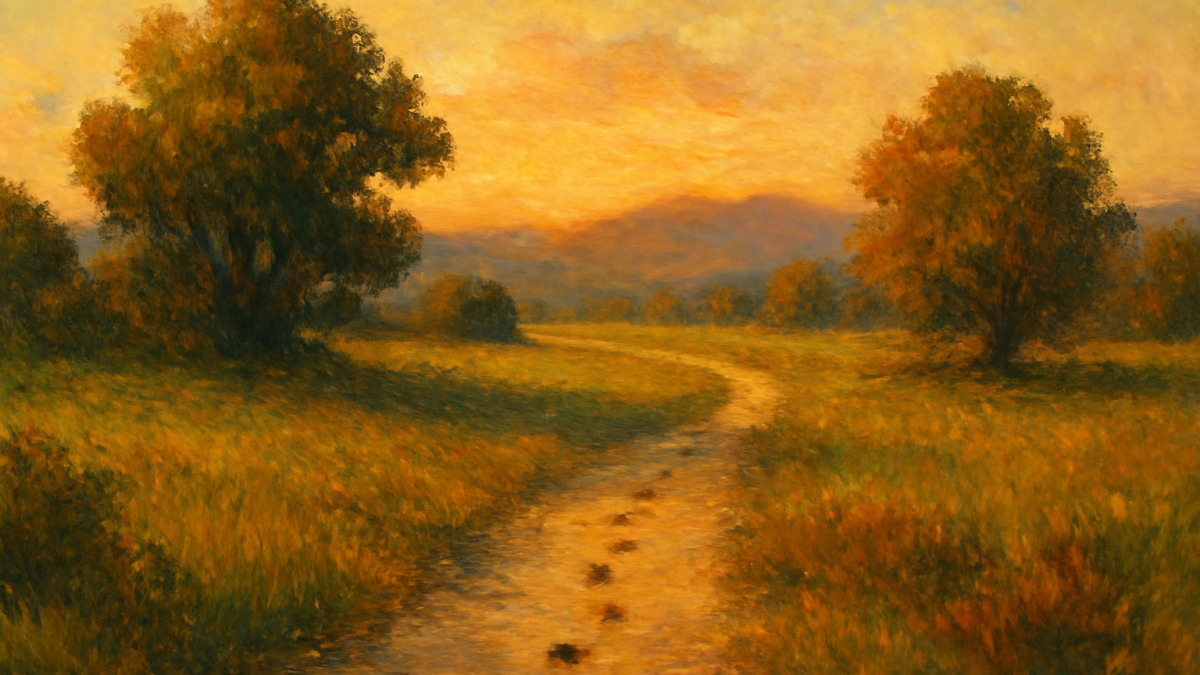
The Enduring Impact of Flavia Weedn’s Wisdom About Human Connection
The quote “Some people come into our lives and leave footprints on our hearts and we are never ever the same” has become one of the most widely shared inspirational statements on social media, appearing on greeting cards, in memorial services, and in countless personal blogs dedicated to celebrating meaningful relationships. Yet despite its ubiquity in contemporary culture, many people who share this sentiment have little knowledge of its author, Flavia Weedn, or the unique circumstances that shaped her perspective on human connection. The quote likely emerged from Weedn’s broader body of work in the 1980s and 1990s, a period when she was establishing herself as a voice for emotional authenticity and the celebration of life’s often-overlooked moments. It captures the essence of her philosophy: that the people we meet are not incidental to our existence but rather transformative forces that reshape who we fundamentally are, leaving indelible marks on our consciousness and character.
Flavia Weedn was born in Phoenix, Arizona, and grew up in a creative family environment that encouraged artistic expression and emotional openness. Her parents, particularly her mother, exposed her to the arts and instilled in her a belief that life’s meaning could be found in human relationships and personal growth rather than material accumulation. This foundation would become central to everything Weedn would create throughout her career. She began her professional life as an artist, initially drawing and painting before gradually transitioning into a more commercial arena. Rather than pursuing a traditional career path in fine art, Weedn recognized that her true calling involved communicating directly with the general public about matters of the heart and spirit, which led her to establish a unique multimedia empire that would eventually include greeting cards, books, artwork, collectible figurines, and jewelry bearing her designs and words.
What makes Flavia Weedn’s career trajectory particularly interesting is how she built her empire largely outside the traditional publishing and art establishment. Beginning in the 1980s, she created and self-published her own greeting card lines, which she distributed independently before eventually partnering with larger companies. This bootstrapping approach was unusual for the time and demonstrated remarkable business acumen combined with artistic vision. Rather than waiting for industry gatekeepers to validate her work, Weedn took direct control of her message and distribution, allowing her to maintain creative integrity while building a substantial following. Her greeting cards became known for their heartfelt messages, often incorporating her own original artwork that featured whimsical characters and warm, inviting designs. The business model was remarkably successful, eventually generating hundreds of millions of dollars in revenue and making Weedn one of the most commercially successful American artists of her generation, though she remained relatively unknown to those outside her core audience.
A lesser-known fact about Flavia Weedn is that she was profoundly influenced by her spiritual beliefs and her interest in the philosophical dimensions of human experience. She was not content to create merely sentimental or superficial messages; instead, she sought to articulate deeper truths about existence, loss, love, and transformation that she believed resonated at a universal level. This philosophical underpinning gave her work a substance that distinguished it from purely commercial sentiment. Weedn has also been remarkably private despite her commercial success, rarely giving interviews or seeking personal publicity. This restraint was entirely intentional—she believed that her work should speak for itself and that the focus should remain on the messages themselves rather than on her as a personality or celebrity. This approach was countercultural in an era increasingly dominated by personal branding and author visibility, yet it paradoxically enhanced her appeal, as readers felt they were encountering pure, undiluted wisdom rather than a carefully constructed public persona.
The specific quote about footprints on hearts found its greatest resonance in contemporary culture during the digital age, particularly as social media platforms made it effortless to share meaningful quotes and attributions. The image of a footprint—literal and metaphorical—proved powerfully evocative for people trying to articulate the transformative impact of relationships that had ended, either through death or simple separation. The quote appears with remarkable frequency in memorial services, funeral programs, and tributes to departed loved ones, where it has become almost as common as traditional biblical passages. Beyond funerals, it has been adopted as a mantra for celebrating friendships, romantic relationships, and even professional mentorships. The quote’s emotional accessibility combined with its poetic rather than clinical language made it ideal for moments when people struggle to express the profound changes others have wrought in their lives. On Instagram, TikTok, and Pinterest, millions of people have shared the quote with photographs of meaningful relationships, often accompanied by personal stories about how someone left an indelible mark on their life trajectory.
What accounts for the enduring power of this particular sentiment is its acknowledgment of a fundamental human truth that our culture doesn’t always adequately celebrate: that we are fundamentally transformed by our encounters with other people. In an era of atomization, where we often experience relationships as transactional or optional, Weedn’s insistence that certain people change us irrevocably operates as a quiet rebellion against emotional superficiality. The metaphor of footprints is particularly elegant because it suggests simultaneously permanence and impermanence—footprints fade, yet the ground was undeniably touched. People resonate with this quote because it validates their experience of having been profoundly affected by relationships that didn’t last forever, that perhaps were brief but nonetheless left permanent traces. For those grieving the death of someone close,