The Depths of Ambition: Andy Gilbert and the Art of Deep Engagement
The quote “You can’t catch the big fish by skimming the surface” emerged from Andy Gilbert’s philosophy of meaningful work and personal development during the early 2000s, a period when the internet was creating an illusion of instant success and shallow engagement. Gilbert, an organizational development consultant and business strategist, developed this metaphor while working with companies struggling to implement sustainable change. The phrase captured a fundamental truth about human endeavor that had been largely overshadowed by the quick-fix mentality of the dot-com era. Unlike many business aphorisms of that time, which promised rapid transformation and minimal effort, Gilbert’s wisdom acknowledged that worthwhile achievements require depth, commitment, and a willingness to venture into uncomfortable territory.
Andy Gilbert’s journey to becoming a respected voice in organizational psychology and business philosophy was unconventional, shaped by experiences that taught him the value of persistent, deliberate effort. Born in 1962 in Portland, Oregon, Gilbert grew up in a working-class family where his father’s small contracting business served as his first classroom in the complexities of human organization and problem-solving. Rather than pursuing a traditional business degree immediately, Gilbert spent five years working in various trades—carpentry, plumbing, and electrical work—before attending Portland State University at age twenty-three. This gap between manual labor and formal education proved formative; it gave him credibility with the real working world while developing his ability to see connections between physical craft and organizational structure. Many of his later insights about depth and surface-level thinking came directly from this experience of understanding that quality work demands attention to details invisible to the casual observer.
What few people know about Gilbert is that he initially intended to become a fiction writer, not a business consultant. During his college years, he won several university-level literary competitions and was encouraged to pursue an MFA program. However, a transformative conversation with a visiting lecturer on organizational systems redirected his trajectory entirely. He became fascinated by how organizations, like narratives, could either engage readers in meaningful ways or bore them with superficial storytelling. This literary background profoundly influenced his later work; throughout his consulting career, Gilbert would frame organizational challenges as narrative problems. He believed that companies trying to engage stakeholders through surface-level metrics and shallow communication were essentially telling uncompelling stories, missing the deeper psychological and emotional elements that make narratives—and organizations—truly resonate.
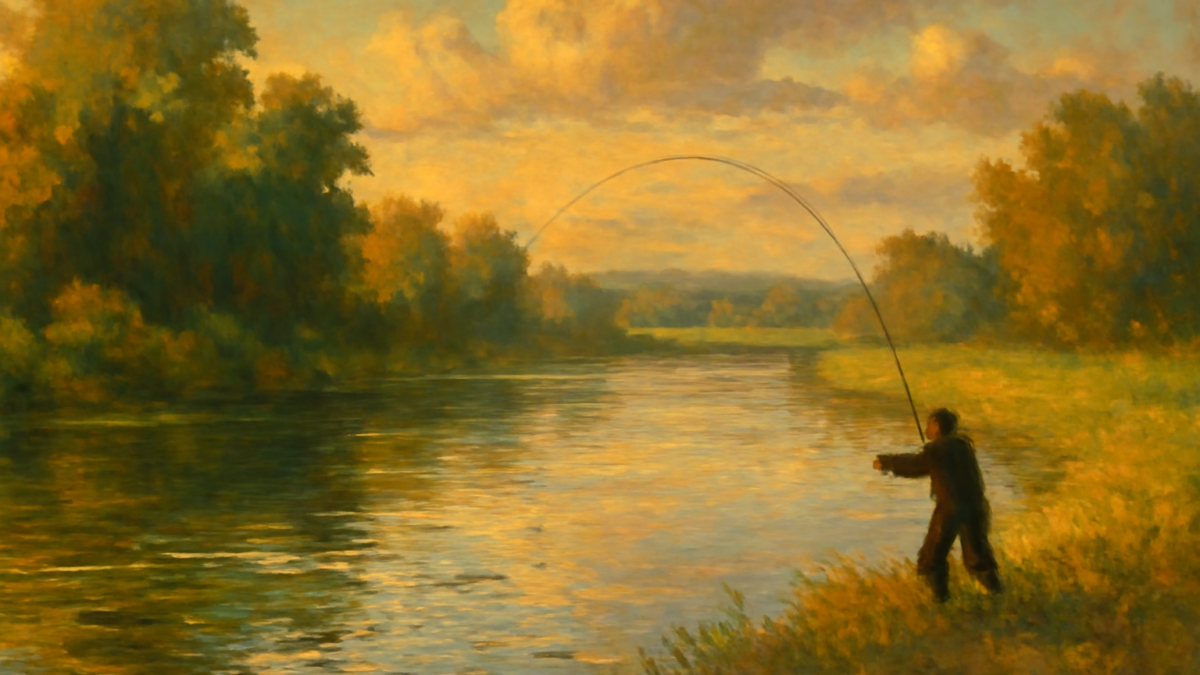
The context surrounding Gilbert’s famous quotation becomes clearer when examined against the technological and business landscape of the early 2000s. The internet had democratized information access, leading many entrepreneurs and organizations to believe that mere exposure and quantity of output mattered more than depth of engagement. Social media was emerging, efficiency metrics were being worshipped, and the cult of optimization was beginning its long ascendancy. During presentations and workshops, Gilbert repeatedly encountered companies that approached transformation like fishermen equipped with nets so fine they could catch only small fish, even while claiming to hunt for big ones. His metaphor was both critique and instruction: the size of your catch is determined not by the size of your net or the vastness of the ocean you’re fishing in, but by your willingness to dive deep, understand complex currents, and invest the time necessary for substantial results.
The historical ripple of this quote expanded significantly through its adoption in corporate training materials and business education circles throughout the 2000s and 2010s. Business schools began using it in case studies about the limitations of surface-level strategic planning, while leadership consultants deployed it to explain why companies spending billions on failed digital transformations had fundamentally misunderstood what their real problems were. The quote appeared in Tom Friedman’s 2005 article about the superficiality of corporate change initiatives, though without proper attribution to Gilbert at that time, a fact that troubled Gilbert less than it might have others. He believed good ideas should circulate freely, regardless of their origin. The phrase resonated particularly strongly with leaders who had experienced the failure of quick-fix solutions and were beginning to understand that sustainable competitive advantage came from deep organizational understanding and incremental, thoughtful change rather than revolutionary proclamations.
What makes Gilbert’s insight particularly prescient is how it addresses the modern paradox of information abundance creating intellectual poverty. In an era where more information is available than ever before, the quote speaks to a fundamental human tendency to remain at surface level—to skim rather than dive, to scan rather than study, to consume rather than grapple. Gilbert observed that many organizations were collecting enormous amounts of data while understanding almost nothing about the patterns that mattered. The “big fish” he referenced were not merely bigger profits or market share; they were the insights and transformations that could only come from genuine, sustained engagement with complexity. This explained why companies with access to mountains of consumer data often failed to truly understand their customers, and why organizations with sophisticated analytics still made culturally disconnected decisions.
In the decades following its articulation, the quote has taken on particular relevance to creative professionals, artists, researchers, and anyone engaged in knowledge work. A software engineer in Berlin, a researcher in Singapore studying climate patterns, an architect in São Paulo designing sustainable buildings—all have cited Gilbert’s metaphor as articulating something they understood intuitively about their disciplines. The rise of the gig economy and the pressure toward constant productivity paradoxically made the quote even more relevant, as workers found themselves swimming in a sea of shallow tasks, all preventing them from doing the kind of deep work that creates meaning and lasting value. Cal Newport’s widely influential book “Deep Work” published in 2016, while never explicitly crediting Gilbert, operated entirely within the