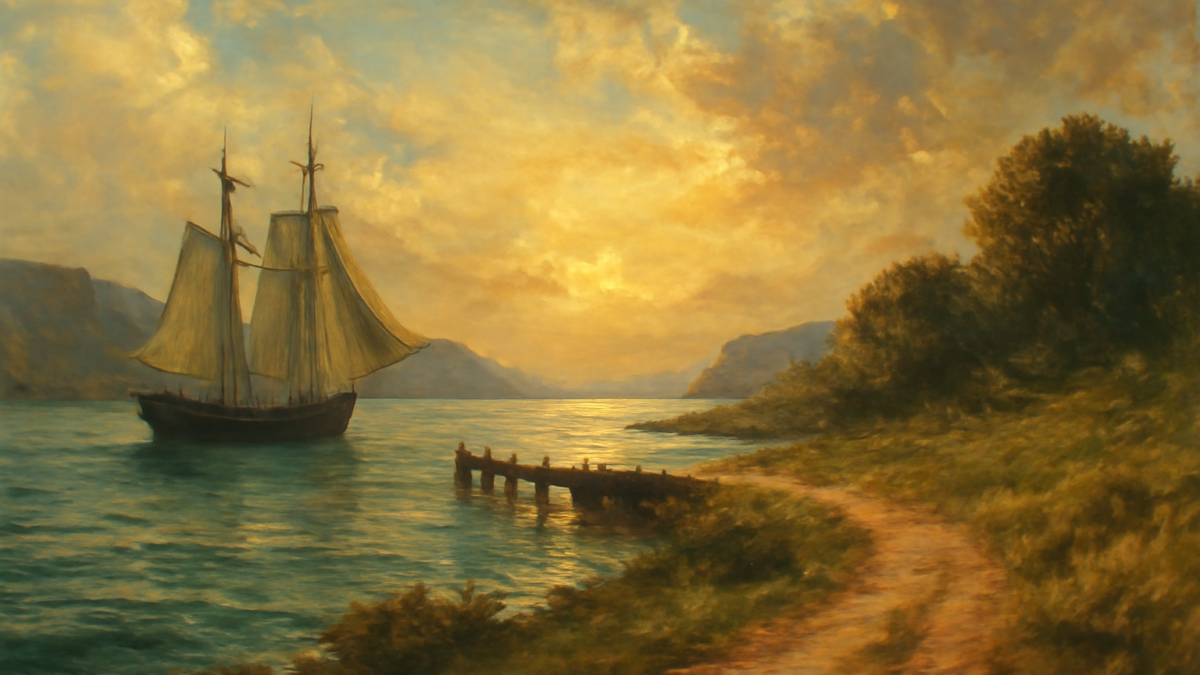
Tennessee Williams: A Life of Restless Exploration
Tennessee Williams, born Thomas Lanier Williams III in Columbus, Mississippi, in 1911, was a man perpetually in motion—both literally and artistically. The author of this exhortation to make voyages understood the imperative from hard-won personal experience. His life was a series of attempts, departures, and reinventions that would ultimately produce some of American theater’s most enduring masterpieces. The quote “Make voyages. Attempt them. There’s nothing else” encapsulates Williams’s philosophy of existence, one forged through years of struggle, rejection, and the relentless pursuit of artistic expression. It reflects not merely an artistic principle but a deeply personal credo that emerged from a man who had learned early that standing still was tantamount to dying.
Williams’s early years set the stage for his later obsession with movement and escape. His childhood was marked by instability and trauma that would haunt his work throughout his career. His father, Cornelius Williams, was a traveling salesman who struggled with alcoholism, while his mother, Edwina, was a controlling, neurotic woman who clung to the genteel pretenses of the Old South. Williams suffered a devastating paralysis during his adolescence, a mysterious illness that confined him for months and left psychological scars that never fully healed. When his health recovered, he developed an insatiable wanderlust, sensing perhaps that movement was the only antidote to the suffocating environment of his family and the repressive social conventions of the South. He began writing as a teenager, a form of escape that would become his life’s work, but writing alone seemed insufficient; he needed to voyage both outward into the world and inward through his imagination.
The specific context in which Williams articulated this philosophy is less definitively documented than one might hope, as is often the case with quotations that achieve widespread circulation. However, it is entirely consistent with statements Williams made throughout his career, particularly in interviews and essays during the 1950s and 1960s, when he was at the height of his fame and struggling to maintain the creative momentum that had produced A Streetcar Named Desire and Cat on a Hot Tin Roof. These years were paradoxically both his most productive and his most troubled, as he grappled with the pressures of celebrity, his own demons with alcohol and pills, and the constant emotional turbulence of his personal life. The quote likely emerged from this period, when Williams was reflecting on what had sustained him through decades of rejection and struggle—the simple but profound necessity of attempting things, of making artistic and personal voyages rather than accepting defeat or stagnation.
What is most striking about Williams’s philosophy is its refusal of cynicism or resignation. The “nothing else” that concludes the statement is particularly telling—it suggests that for Williams, human existence without the attempt at transformation, without the voyage toward something more meaningful or beautiful, was hollow and pointless. This conviction was not merely theoretical for Williams; it was lived out in his relentless productivity and his willingness to take enormous creative risks. After the moderate success of his early plays, he quit his job at a shoe factory and committed himself entirely to playwriting, a decision that bordered on reckless given his poverty and lack of professional connections. When his first professional plays were rejected or failed, he did not retreat into bitterness but instead intensified his efforts, traveling to New Orleans, Mexico, and California, absorbing new influences and refining his craft. Each disappointment became merely the impetus for the next voyage.
A lesser-known aspect of Williams’s character that informs this philosophy is his genuine generosity and his tendency to help other struggling artists. Despite his own precarious financial situation for much of his early career, Williams would provide financial assistance to friends, fellow writers, and even strangers when he could. He was fascinated by people on society’s margins—hustlers, prostitutes, drifters, and the mentally ill—and saw in them a kind of honesty and vitality that he found lacking in respectable society. This interest was not exploitative but empathetic; he believed that the voyage into understanding others, particularly those most unlike himself, was essential to his work as an artist and as a human being. Furthermore, Williams was a serious visual artist, a painter and sketcher whose drawings and watercolors have only recently begun to receive scholarly attention. Few people realize that his artistic vocabulary extended well beyond theater; his voyages encompassed multiple creative mediums, and he approached each with the same intensity and vulnerability.
The cultural impact of this quote has been substantial, particularly among creative professionals and those navigating periods of uncertainty or transition. Artists, writers, entrepreneurs, and people facing major life decisions have drawn inspiration from Williams’s insistence that the attempt itself matters more than guaranteed success. In an era increasingly dominated by risk-averse thinking and the demand for measurable outcomes, Williams’s philosophy offers a counterargument: that the value lies in the voyage, not the destination. The quote has been cited in creative writing courses, motivational literature, and self-help contexts, sometimes in ways that might have amused or troubled Williams himself, given his skepticism toward easy solutions and his understanding that voyages often lead to difficult, painful places. However, the essential message—that human beings are meant to create, to explore, to risk failure—remains powerful and relevant.
The meaning of this quote for everyday life extends far beyond the realm of professional artists, though it certainly applies there with particular force. For anyone trapped in circumstances that feel limiting or suffocating, whether