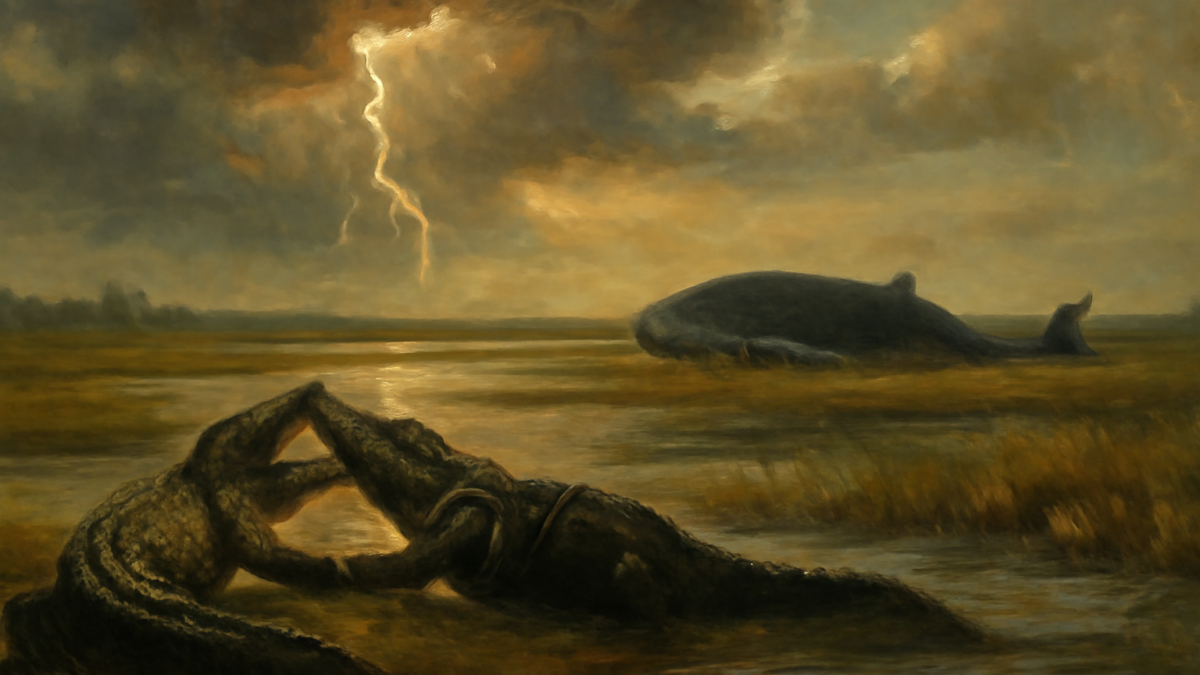
Muhammad Ali’s Boast: The Poetry of Confidence
Muhammad Ali, born Cassius Marcellus Clay Jr. on January 17, 1942, in Louisville, Kentucky, delivered one of boxing’s most iconic boasts during his prime years in the 1960s. The quote about wrestling alligators, tussling with whales, and making medicine sick emerged from Ali’s revolutionary approach to boxing promotion and self-expression. Unlike previous heavyweight champions who maintained a stoic, serious demeanor, Ali transformed the sport through theatrical braggadocio combined with genuine athletic brilliance. This particular boast exemplified his verbal artistry—a rapid-fire, poetic recitation that blended hyperbole with rhythm, making it as entertaining to hear as it was memorable to repeat. The quote represents more than mere trash talk; it was a deliberate artistic statement that challenged the conventions of how athletes were supposed to carry themselves in public.
The context of these boasts cannot be separated from Ali’s conversion to Islam and his name change from Cassius Clay in 1964, which profoundly shaped his public persona and philosophy. When Ali joined the Nation of Islam and later became a Sunni Muslim, he rejected what he saw as his “slave name” and embraced a new identity rooted in religious faith and Black pride. His verbal declarations became an extension of this larger project of self-determination and self-definition. The boasts were not simple arrogance but rather assertions of agency and power at a time when African American athletes were still expected to be humble, grateful, and non-threatening to white audiences. Ali’s willingness to declare his greatness loudly and unapologetically was itself a political act, challenging the racial hierarchies that demanded Black subservience and quiet excellence.
Before becoming “The Greatest,” Muhammad Ali was trained and mentored by Angelo Dundee, one of boxing’s most respected trainers, but it was his meeting with Malcolm X and the Nation of Islam that truly transformed his public image and self-conception. What many people don’t realize is that Ali’s famous boasts were heavily influenced by the “dozens,” a verbal tradition rooted in African American culture where participants engage in witty, rapid-fire insults and boasts. Ali elevated this street-level art form into a national spectacle, bringing vernacular Black speech patterns and rhythms into mainstream media. His rhyming couplets and vivid imagery—wrestling alligators, hospitalizing bricks, making medicine sick—drew from poetry, folk tradition, and pure creative improvisation. This linguistic creativity has often been overshadowed by discussions of his boxing prowess, yet it represents an equally significant innovation in how he reshaped public discourse around athletic excellence.
The specific boast about making medicine sick and hospitalizing bricks reveals Ali’s sophisticated use of surrealism and metaphor. These aren’t realistic claims but poetic exaggerations designed to paint a portrait of invincibility that operates on an imaginative rather than literal level. By claiming to murder rocks and injure stones—substances that are inanimate and immovable—Ali creates an absurdist humor that makes the boast self-aware and entertaining rather than merely egotistical. This quality is what prevented audiences from completely dismissing him as merely arrogant; instead, they could appreciate the performance art of it all. The public gradually realized they were witnessing not just an athlete but a performer, a poet, and a cultural figure whose words were as much a part of his legacy as his footwork and jab.
Throughout the 1960s, Ali’s boasts served a crucial psychological function both for himself and for the sport. In an era of civil rights struggle, when Black Americans faced systemic oppression and violence, Ali’s loud, unapologetic self-assertion became a source of inspiration and pride for many in the Black community. His boasts weren’t heard as empty bragging but as declarations of human dignity and worth. Young African Americans saw in Ali a figure who refused to diminish himself or play by the rules of a system designed to marginalize him. Conversely, his refusal to conform to expectations of black athlete respectability generated considerable controversy among white audiences and even among some African Americans who feared his activism and outspokenness would provoke backlash. The boasts, then, existed within a complex social landscape where they meant different things to different audiences.
One lesser-known aspect of Ali’s biographical history is that his verbal creativity was evident from childhood. His father, Cassius Clay Sr., was a muralist and painter who appreciated art and self-expression, while his mother, Odessa Grady Clay, was a housewife who encouraged her son’s confidence. Young Cassius showed early interest in poetry and language, and his teachers noted his facility with words even before he became a boxer. When he took up boxing at age twelve, he brought this love of language into the sport, combining physical training with constant verbal performance. Unlike many boxers who saw talking as separate from fighting, Ali integrated the two, understanding that the fight began before the fighters entered the ring. This holistic approach to boxing as performance art rather than merely sport was revolutionary and remains influential today.
The quote’s cultural impact has proven remarkably enduring, referenced countless times in hip-hop lyrics, comedy routines, and popular discourse about confidence and self-promotion. Artists like Run-DMC and subsequent rappers drew explicit connections between Ali’s boastful style and the braggadocio central to hip-hop culture. In many ways, Ali prefigured and influenced the development of hip-hop’s aesthetic, which similarly celebrates verbal d