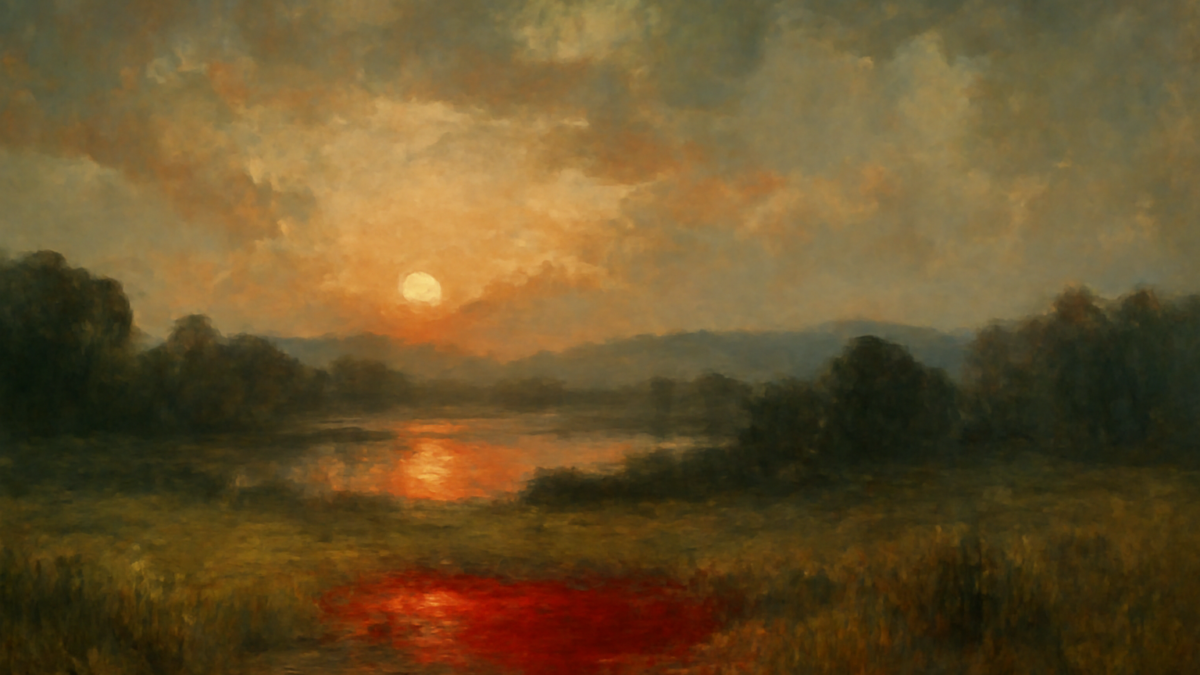
Blood, Toil, Tears and Sweat: Churchill’s Defining Promise
Winston Leonard Spencer Churchill delivered one of history’s most memorable phrases on May 13, 1940, his first speech as Prime Minister before the House of Commons. The context could hardly have been more dire: Nazi Germany had just invaded France, the British Expeditionary Force was trapped on the beaches of Dunkirk, and much of continental Europe lay under Hitler’s control. The previous prime minister, Neville Chamberlain, had just resigned in disgrace after his failed policy of appeasement, leaving Britain leaderless at its darkest hour. Churchill had only assumed office days before, stepping into a role that many observers thought was essentially a position of managing national defeat. The speech itself was not initially broadcast on radio—it was only Churchill’s words in Parliament that day which contained this immortal declaration. When he said “I have nothing to offer but blood, toil, tears and sweat,” he was essentially telling the British people that their new leader had no false promises of quick victory or easy salvation. Instead, he offered only the brutal honesty of hard work, sacrifice, and suffering.
To understand the power of this statement, one must know the man behind it. Churchill was born in 1874 into aristocratic privilege as the son of Lord Randolph Churchill, a prominent Conservative politician. His childhood, however, was emotionally cold and marked by his father’s indifference and early death. Young Winston was sent away to boarding school, where he was miserable and performed poorly academically, particularly in subjects like classics and mathematics. Teachers found him difficult and stubborn, yet he possessed an almost ferocious determination to succeed. He would later claim that his struggles in school actually served him well, as they taught him resilience and forced him to develop his natural talents in writing and oratory. Despite his aristocratic background, Churchill was never content to simply inherit a comfortable life—he craved action, glory, and historical significance.
Churchill’s early career was remarkably diverse and adventurous. He began as a young subaltern in the British Army and saw combat in India, Sudan, and South Africa. During the Boer War, he was captured and imprisoned but dramatically escaped, becoming an international celebrity at age twenty-five. He transitioned into journalism and writing, producing bestselling accounts of his adventures that both entertained and embarrassed the British establishment with his self-promotion. By the early 1900s, he had entered Parliament and began his political career, which would prove as dramatic and controversial as his military service. What many people don’t realize is that Churchill changed political parties twice—first leaving the Conservative Party for the Liberals in 1904 over the issue of free trade, then returning to the Conservatives in 1924. This party-switching earned him many enemies who considered him opportunistic and unreliable, a reputation that would haunt him for decades and nearly cost him the premiership even in 1940.
The 1930s saw Churchill in a political wilderness that nearly destroyed his career. After serving as Chancellor of the Exchequer, Colonial Secretary, and other high offices, he had made numerous miscalculations and faced severe criticism. His role in the disastrous Gallipoli Campaign during World War One, which resulted in enormous casualties, had damaged his credibility. Throughout the 1930s, he stood almost alone in warning about the Nazi threat while most British politicians and the public preferred appeasement. For years, he was marginalized and mocked as a warmonger and a relic of a bygone era. Very few people actually wanted him as Prime Minister, including King George VI, who had to be convinced to accept him. Even within the Conservative Party, he had enemies who doubted his judgment and questioned his fitness for office. Churchill himself understood how precarious his position was—he was seventy-five years old when he took office, an age when most men were considering retirement, not beginning the fight of their lives.
When Churchill spoke those words about blood, toil, tears, and sweat, they resonated because they were fundamentally honest. The British public, having endured years of Chamberlain’s false reassurances, responded to a leader who would not condescend to them with false hope. Churchill’s genius was that he didn’t just promise sacrifice; he transformed sacrifice into something noble and redemptive. In subsequent speeches, he would build on this foundation, creating narratives where British suffering became a moral struggle between civilization and barbarism, between freedom and tyranny. He famously declared that if the British fell, then “this New World, with all its power and might, steps forth to the rescue and liberation of the Old,” showing that even in defeat he could imagine ultimate vindication. His speeches were carefully crafted works of art, drawing on his deep knowledge of English literature, history, and rhetoric. He would often spend hours revising a few paragraphs, seeking the perfect word or phrase that would convey exactly the right emotional and intellectual tone.
The phrase “blood, toil, tears and sweat” has endured far beyond its original context, becoming shorthand for any daunting endeavor that requires sacrifice and commitment. It has been referenced in countless speeches, business presentations, sports pep talks, and artistic endeavors whenever someone wishes to invoke the idea of earning success through hard work rather than seeking shortcuts. The phrase has proven remarkably elastic—it can be applied to athletic competition, scientific research, artistic creation, social movements, or personal self-improvement. What gives it this staying power is that Churchill tapped into something universal about human struggle and