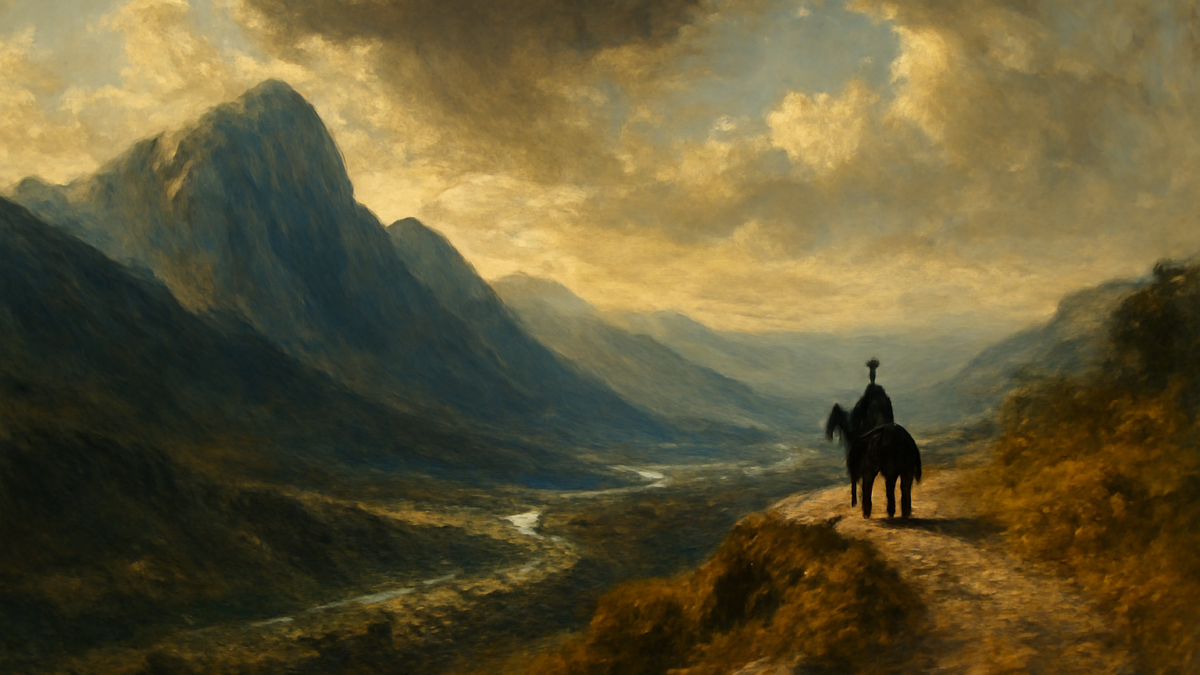
Napoleon’s Paradox: Redefining Courage
The quote “Courage isn’t having the strength to go on – it is going on when you don’t have strength” is commonly attributed to Napoleon Bonaparte, the French military commander and emperor who fundamentally reshaped Europe in the early nineteenth century. However, this attribution presents an interesting historical puzzle. While many collections of Napoleon’s quotations include this phrase, there is no definitive documentation of when or where Napoleon actually said or wrote these precise words. This ambiguity doesn’t diminish the quote’s power, but rather reflects how history sometimes assigns wisdom to figures we admire, especially when that wisdom seems to capture something essential about their character. The quote likely emerged from popular interpretations of Napoleon’s life rather than direct evidence of his utterance, yet it remains deeply intertwined with his legacy.
Napoleon Bonaparte was born in 1769 on the island of Corsica, just after it became French territory, and grew up as a relatively poor outsider in French society. His early life was marked by isolation and struggle—he was frequently bullied for his Corsican accent and immigrant status at military school. This formative experience of being an outsider striving against considerable odds would shape his entire worldview and his understanding of perseverance. He rose through the ranks during the chaos of the French Revolution, demonstrating an almost preternatural ability to seize opportunities and lead men through seemingly impossible circumstances. By his early thirties, he had conquered much of Europe and crowned himself Emperor of France, a position he maintained through sheer force of will and military genius until his ultimate defeat and exile.
What many people don’t realize is that Napoleon was extraordinarily small by the standards of his time, standing somewhere between five feet two and five feet seven inches tall—hardly the towering figure popular imagination conjures. More surprisingly, Napoleon was prone to significant periods of depression and self-doubt, despite his external displays of confidence. He suffered from chronic ailments throughout his life, including severe digestive problems, and endured tremendous physical pain during many of his greatest military campaigns. The man who conquered vast empires often did so while battling illness, exhaustion, and moments of profound despair. This biographical detail lends the quotation an almost autobiographical quality: a man who frequently lacked physical strength, yet persisted in some of history’s most ambitious undertakings, understood intimately the difference between strength and courage.
The context in which this quote most likely resonated with Napoleon’s experience was his military campaigns, particularly the later ones when his empire was crumbling. During the Russian campaign of 1812, Napoleon’s Grande Armée suffered catastrophic losses—hundreds of thousands of soldiers died in the frozen wilderness, yet Napoleon pressed forward. During his exile on the island of Elba and his subsequent defeat at Waterloo, he faced the destruction of everything he had built. The quote captures something Napoleon would have understood profoundly: that the definition of courage isn’t about feeling strong, confident, or assured of victory. Rather, it’s about continuing forward precisely when all those props have been stripped away. This understanding would have crystallized for Napoleon during his later years, when he was no longer the invincible commander but rather a man being slowly erased from the world stage.
Over time, this quote has become enormously popular in motivational circles and self-help literature, often appearing on inspirational posters and in books about resilience and personal development. Its appeal lies in its fundamental subversion of how we typically think about courage. Most people imagine courage as the province of the strong—the brave warrior charging into battle, the confident leader making decisive decisions. This quote reframes courage as something far more democratic and accessible: something available to anyone, regardless of their circumstances. A person struggling with depression, a parent caring for a sick child with depleted resources, an entrepreneur facing bankruptcy—all of these individuals possess the capacity for the exact type of courage Napoleon describes. The quote has been used in therapeutic contexts to help people understand that their struggle to continue despite adversity is not weakness but rather a form of courage itself.
The enduring power of this quotation speaks to something fundamental in the human experience: the gap between our capabilities and our commitments. Life rarely gives us the luxury of doing difficult things only when we feel strong enough to do them. Instead, we are often called upon to show up, to persevere, to continue moving forward precisely when we are tired, afraid, and uncertain. A student submitting an essay despite imposter syndrome, someone reaching out for help despite shame, an individual leaving an unhealthy situation despite terrifying uncertainty—these are the moments the quote describes. What Napoleon captured, whether he said these exact words or not, is that this persistent forward motion in the absence of confidence or strength is not merely survival; it is the highest form of courage. It is courage stripped of its theatrical elements, courage without audience or applause, courage as a mundane daily practice.
For everyday life, the implications of this quote are profound and practical. It suggests that waiting until we feel ready, confident, or strong enough is a trap that will keep us perpetually stalled. The mother dealing with chronic illness who still shows up for her children, the person with social anxiety who attends the networking event anyway, the recovering addict who goes to another meeting despite the exhaustion of continuous vigilance—these people are not superhuman. They are not possessed of some special strength unavailable to others. They are simply doing the thing that needs doing, even when they lack the emotional or physical resources they might prefer to have. This quote liberates us from the tyranny of the prerequisite, the myth that we must first feel ready