“Art is a lie that makes us realize truth.”
I first met this quote on a Thursday night, mid-deadline. A colleague forwarded it with no subject line. The email only held the sentence and a link. Meanwhile, my draft looked stiff and defensive, like it feared feeling. I reread the quote, then I deleted three “accurate” paragraphs that said nothing.
That moment felt rude, then freeing. The line didn’t flatter my work. Instead, it challenged my idea of honesty. So, before we chase attribution, we should ask why it lands so hard. After all, it names a paradox most artists live daily.
What the quote means (and why it doesn’t insult art)
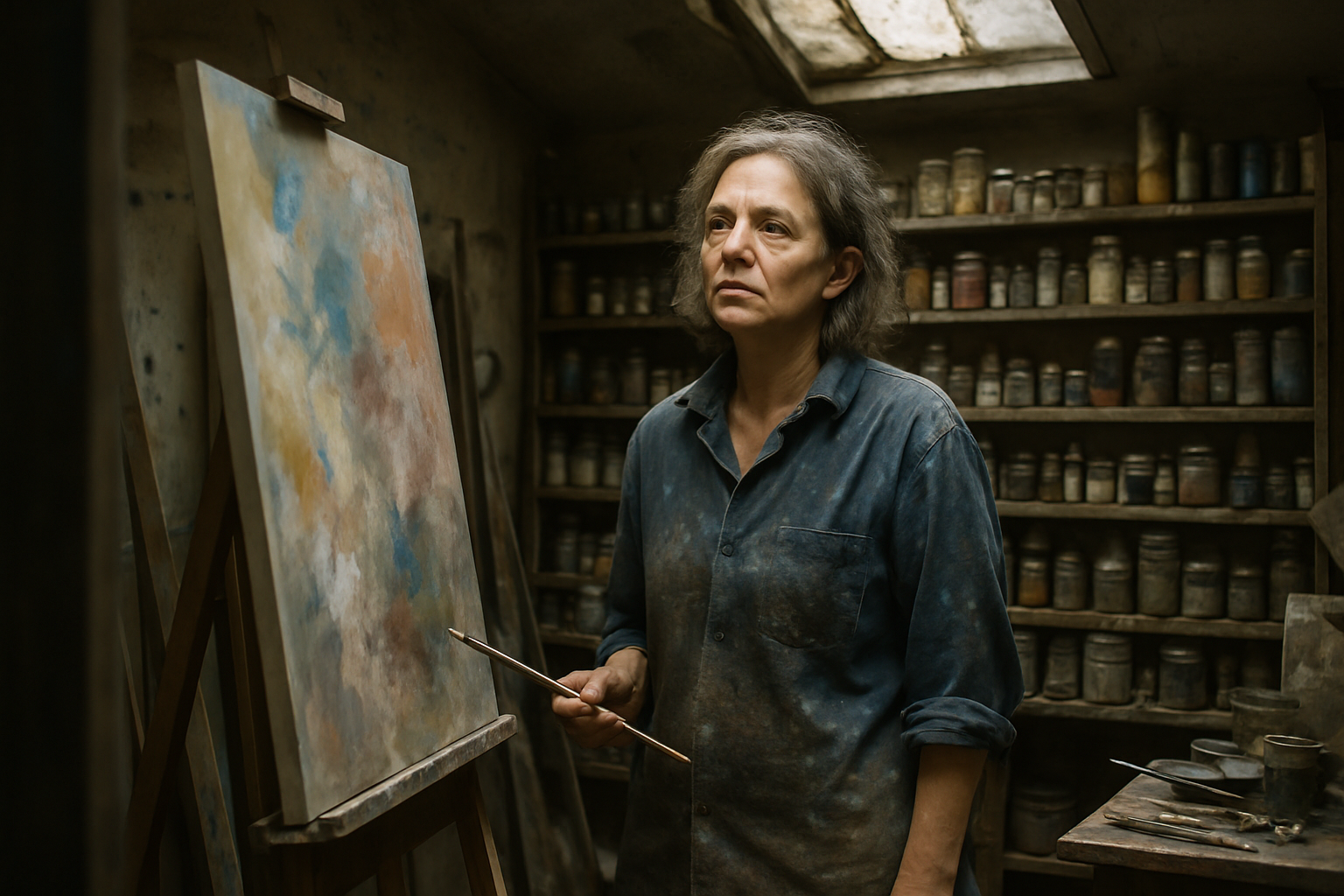
The quote sounds cynical at first. However, it doesn’t call artists frauds. It calls art a crafted illusion with a purpose. In other words, art bends surfaces to reveal something deeper. That “lie” can mean invention, selection, distortion, or style. Therefore, the line defends imagination as a truth tool.
You can see this in a novel’s dialogue. Real talk rambles and repeats. Fiction trims it, yet it feels more human. Likewise, a portrait painter exaggerates light to show character. The viewer still recognizes something true. As a result, the “lie” becomes a bridge, not a betrayal.
This idea also protects audiences. We often resist direct moral lectures. Meanwhile, story and image slip past our guard. They let us feel first, then think. That sequence changes people.
Earliest known appearance: Picasso in 1923
The strongest early trail points to Pablo Picasso. In 1923, an arts magazine printed an English rendering of remarks attributed to him. The phrasing carried the core claim: art isn’t truth, yet it leads us toward truth.
Those early versions matter because they include extra logic. Picasso didn’t stop at a catchy line. He argued that artists must convince others. He also warned against showing the seams of the trick. In short, he described technique as persuasion.
That context also explains the quote’s tone. Picasso didn’t apologize for artifice. Instead, he treated artifice as the job. Therefore, later one-liners reflect a larger working theory.
Historical context: why this paradox fit the early 1900s
Picasso worked inside a century that broke old rules fast. Photography had already challenged painting’s documentary role.
At the same time, modern art pushed form, perspective, and symbolism. Cubism, which Picasso helped shape, fractured space on purpose.
So the era demanded a new defense of art. If art didn’t copy reality, critics asked what it did. This quote answers that pressure. It says art doesn’t compete with facts. Instead, it competes for insight.
Additionally, the early 1900s brought war, propaganda, and mass media. People saw how “truth” could get staged.
That tension made the paradox feel honest. It admitted construction upfront. Yet it also claimed moral value. Therefore, artists could reject literalism without rejecting meaning.
Picasso’s life and views: why he could say it
Picasso cultivated reinvention. He moved across styles and periods with speed.
He also treated art as making, not mirroring. He didn’t paint to record a scene like a camera. Instead, he built a new object that argued with reality. That mindset fits the quote perfectly.
Moreover, he understood performance. He shaped his public persona as carefully as his canvases. That doesn’t weaken his insight. Instead, it shows he grasped how audiences read signals. Therefore, he could describe art as convincing “lies” without shame.
Still, we should stay careful. Many Picasso quotes circulate without solid sourcing.
So, the 1923 appearance matters again. It anchors the idea early, even if translation affected wording.
How the quote evolved into a portable one-liner
Over time, editors shortened Picasso’s longer explanation. They kept the punch and dropped the scaffolding. As a result, “Art is a lie that makes us realize truth” became easy to repeat.
A 1946 museum publication reprinted the 1923 statement, which helped preserve it.
Then journalists and critics carried variants into wider culture. For example, a 1957 newspaper column credited Picasso with “Art is a lie that makes us see the truth.”
Later interviews kept the idea alive. In 1964, novelist Peter De Vries referenced Picasso with “a lie that tells the truth.”
Each retelling nudged the wording. “Realize” turned into “see.” “Approach” replaced “realize.” Meanwhile, “reveals” offered a softer verb. Yet the paradox stayed stable.
Variations and misattributions: Cocteau, Camus, and the quote magnet effect
People often credit Jean Cocteau for a close cousin. In 1927, a French publication printed his line, “I am a lie that always tells the truth.”
That sentence shares DNA with the Picasso idea. However, Cocteau framed it as a personal identity claim. Picasso framed it as a theory of art. So they rhyme, but they don’t match.
Misattribution thrives when lines feel “in character.” Cocteau wrote in paradox and theatricality. Therefore, readers easily attach the art-lie idea to him.
Albert Camus also enters the rumor mill. Many sources credit him with, “Fiction is the lie through which we tell the truth.” Yet the strong print evidence appears decades after his death.
That timing doesn’t prove it false. However, it weakens confidence. Quote culture often backfills famous names onto elegant lines. As a result, attribution becomes a vibe, not a record.
You also see domain shifts. Henry A. Murray applied the “lie that tells truth” frame to fables in 1960.
Later writers moved it again. Dorothy Allison wrote, “Literature is the lie that tells the truth,” in 1994.
So the quote acts like a template. People swap “art” for “fiction,” “poetry,” or “drama.” They keep the paradox because it works.
Cultural impact: why the phrase spread across art forms
The quote survives because it solves a common argument. Someone says, “That didn’t happen.” The artist says, “It doesn’t need to.” Therefore, the line becomes a compact defense.
Critics also use it as a measuring stick. They ask whether a work earns its distortions. If the “lie” feels lazy, the truth never arrives. Meanwhile, strong craft makes invention feel inevitable.
The phrase also fits modern media literacy. People now expect editing, framing, and narrative shaping. So they accept that stories construct meaning. However, they still crave sincerity. This quote reassures them they can have both.
Additionally, educators love it. It helps students separate factual accuracy from emotional accuracy. For example, a memoir scene may compress time. Yet it can still express lived reality. That distinction reduces pointless “gotcha” debates.
Modern usage: how to apply it without becoming slippery
You can use this quote as permission, not a loophole. First, define the truth you aim to reveal. Is it grief’s numbness, power’s cruelty, or love’s awkwardness? Then choose the “lie” that sharpens it.
For example, filmmakers often change timelines. Source They do it to clarify cause and effect. However, they should avoid changes that reverse responsibility. Otherwise, the “truth” turns into spin.
Visual artists face a similar test. Stylization can expose patterns we miss in realism. Yet it can also stereotype. Therefore, artists must check what their distortions reinforce.
Writers can also misread the quote as an excuse to ignore research. Source That move backfires. Even surreal stories need internal credibility. As a result, good “lies” still require homework.
If you share the quote online, add a light attribution note. Source You can say, “Often credited to Picasso, with early print appearances in the 1920s.” That phrasing respects uncertainty and history.
Conclusion: the truth the quote asks from us
“Art is a lie that makes us realize truth” endures because it names what craft actually does. It admits invention, yet it demands honesty of intent. Moreover, it warns artists not to brag about technique. Instead, it asks them to make the illusion feel inevitable.
The origin story also teaches a second lesson. Quotes evolve as people repeat them. Therefore, we should treat attribution with care. Picasso likely launched the modern phrasing in the early 1920s. Meanwhile, Cocteau, later writers, and journalists helped the idea travel.
In the end, the line doesn’t lower truth’s value. It raises the bar for how we reach it. When art works, it doesn’t report life. It makes us recognize it.