“On meurt deux fois, je le vois bien :
Cesser d’aimer & d’être aimable,
C’est une mort insupportable :
Cesser de vivre, ce n’est rien.”
Last winter, a colleague forwarded me that quote at 11:47 p.m. . He wrote nothing else, which felt louder than any explanation. I had spent that week overworking, over-texting, and over-managing a relationship. Therefore, the lines landed like a quiet warning, not a romance poster. The next morning, I reread it and thought about a different saying. I thought about “Love never dies of starvation, but often of indigestion,” and I finally understood its bite.
That shift matters, because this “indigestion” line carries a real history. Additionally, it carries several English forms and a French original. People often quote it as a modern quip, yet it began as advice about desire, access, and saturation. So, let’s trace where it came from, how it changed, and why it still stings.

Why people remember the “indigestion” line
The metaphor feels almost too physical, which makes it memorable. Instead of praising longing, it warns about excess. Moreover, it flips the usual fear from “not enough” to “too much.” Many love sayings sell scarcity as the villain. This one argues the opposite, and that reversal grabs attention.
It also works outside romance. For example, people apply it to attention, hobbies, even social media. You can “overconsume” anything that once thrilled you. As a result, the line survives because it fits modern life. Still, its origin points to a specific voice and era.
The French original and what it really says
The key French sentence reads: “L’amour ne meurt jamais de besoin, mais souvent d’indigestion.” . “Besoin” means “need” or “want,” not “starvation.” . So, the most direct English rendering uses “want.”
However, translators and anthologists often chased rhythm over literal precision. Therefore, “starvation” entered as a punchier partner to “indigestion.” It creates a neat bodily pair: hunger versus overfullness. That choice changes the flavor, yet it keeps the meaning. In contrast, “want” sounds abstract, even polite.
So, when you see “starvation,” you often see a stylistic translation. When you see “want,” you often see a closer one. Both point back to the same French sentence.
Earliest known appearance in print
The earliest known appearance ties to a collection of letters published after the author’s death. Editors printed her correspondence in the mid-eighteenth century. . In that letter, she addresses a man who wants constant access to his beloved. She warns him about what “entire, easy, and continuous” possession does to desire. .
Importantly, the “indigestion” line does not stand alone. It functions as the sharp summary of a longer argument. She claims people feel surprised when passion cools. Then she asks whether they “satiated” themselves on the beloved object. . Therefore, the metaphor works like a diagnosis.

Historical context: salons, letters, and the politics of desire
To understand the quote, you need the social world that produced it. Aristocratic salons prized wit, restraint, and psychological insight. . Letter-writing also served as public performance, not just private confession. .
In that world, “love” often meant a blend of romance, status, and strategy. Additionally, many relationships operated under strict public rules. People negotiated access through visits, notes, chaperones, and reputation. . So, “possession” carried social weight. It implied time, proximity, and exclusivity.
Therefore, the warning about “continuous possession” hits two targets. It critiques emotional overexposure, and it critiques social impatience. You cannot rush what depends on distance and anticipation.
Who likely said it: Ninon de Lenclos and her reputation
Most attributions point to Ninon de Lenclos, also spelled L’Enclos. She lived in seventeenth-century France and died in 1705. . Writers and admirers later described her as a courtesan, salon figure, and sharp observer of human behavior. .
Her legend grew because she seemed to blend freedom with discipline. She cultivated friendships with powerful men and influential thinkers. . Moreover, she often appears in literature as someone who understood desire without sentimental fog. That image fits the “indigestion” line perfectly.
Still, we should treat any famous bon mot with care. Editors shaped letter collections, and later writers amplified her persona. . Yet the French sentence appears inside a coherent passage of advice. That internal fit strengthens the attribution.
What the original passage argues (in plain language)
The letter’s logic runs like this: people demand total access. Then they feel shocked when they grow bored. She claims they caused the boredom through over-satisfaction. . Therefore, she recommends managing passion, not feeding it nonstop.
That advice sounds modern, yet it also reflects her era’s emphasis on moderation. Classical moral thinkers praised temperance, even in pleasure. . Additionally, the metaphor of “satiation” echoes older ideas about appetite and balance.
In short, she treats love like a body. Feed it too little and it survives. Feed it too much and it rebels.
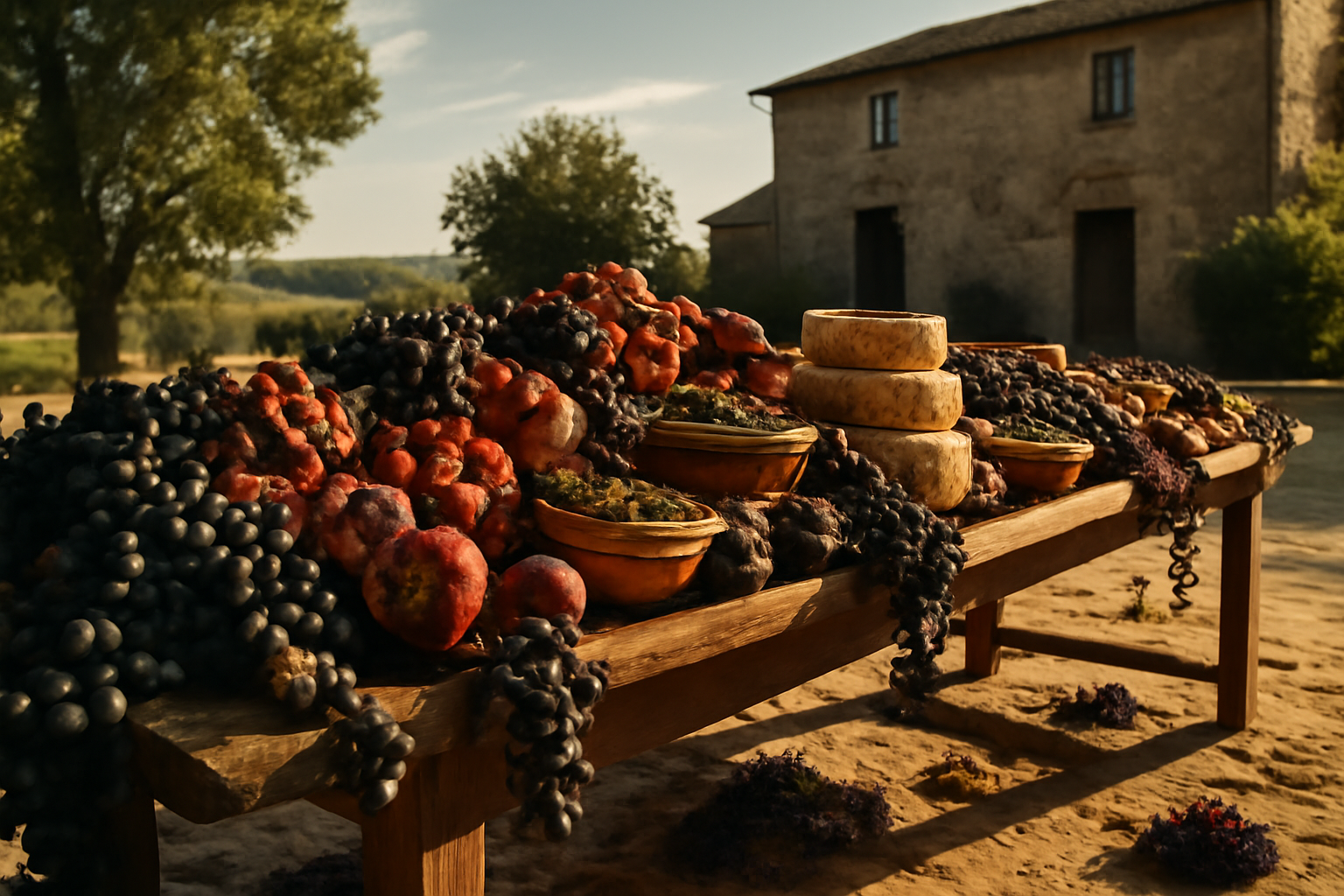
How the quote evolved in English
English readers met the line through translations and quotation books. Those books often aimed for elegance and memorability. . As a result, English versions multiplied.
You will usually see three major forms:
– “Love never dies of want, but often of indigestion.” . – “Love never dies of starvation, but often of indigestion.” . – “Love never dies from desire but often from indigestion.” .
Each version nudges the meaning. “Want” stresses absence. “Starvation” dramatizes absence. “Desire” reframes need as craving. However, all versions keep the same warning about excess. Therefore, you can treat them as siblings, not rivals.
Variations and common misattributions
People sometimes attribute the saying to later wits, because it sounds like a polished aphorism. Additionally, the “starvation” version feels modern and punchy. That modern feel invites modern names. .
You may also see the quote detached from Lenclos and treated as anonymous French wisdom. That happens when anthologies drop sourcing to save space. .
So, when you want to cite it responsibly, use the French line and name Lenclos. If you quote the “starvation” version, note that translators chose it for style. That small clarification prevents a lot of confusion.
Cultural impact: why “indigestion” keeps working
The metaphor survives because it attacks a common romantic myth. Many people believe intensity equals longevity. However, intensity can also burn out fast. The quote offers a different lever: pacing. Therefore, it fits advice about boundaries, novelty, and autonomy.
It also fits consumer culture. We binge shows, doomscroll feeds, and over-optimize everything. As a result, we often “ruin” pleasures through constant access. The quote gives that experience a single, vivid word.
Writers also love it because it feels slightly scandalous. “Indigestion” sounds unglamorous, even comic. Yet it lands with precision. In contrast, softer metaphors can blur into wallpaper. This one refuses to fade.

Modern usage: how to apply it without turning cynical
You can use the quote as a rule, but you should treat it as a reminder. Source It does not praise withholding as a power move. Instead, it warns against erasing space, mystery, and independent life. .
Try three practical interpretations:
First, protect intervals. For example, let conversations end while they still feel alive. Additionally, let plans breathe so anticipation can build.
Second, diversify nourishment. Love needs more than contact. Therefore, shared projects, separate friendships, and personal growth keep it digestible.
Third, watch for “more” as a reflex. Source When you chase constant reassurance, you often chase relief, not connection. .
Used this way, the quote becomes compassionate. It tells you to stop force-feeding what you value.
Conclusion: the origin matters because the warning stays true
“Love never dies of starvation, but often of indigestion” did not begin as a throwaway joke. Source It grew from a letter that argued for restraint, rhythm, and durable happiness. . Over time, translators reshaped “besoin” into “want,” “desire,” and “starvation.” However, the core stayed steady: excess can spoil what scarcity never could.
So, when the line shows up in your life, treat it like a check engine light. Slow down, then choose quality over quantity. Additionally, leave room for longing to do its quiet work. In summary, love rarely dies because you missed a meal. It more often dies because you never stopped eating.