“Men marry women with the hope they will never change. Women marry men with the hope they will change. Invariably they are both disappointed.”
Last winter, a colleague forwarded me that line at 11:47 p.m. I had just finished a tense call with my partner. My phone buzzed, and the message contained only the quote. At first, I rolled my eyes, because it sounded like a tired joke. However, the timing made it feel uncomfortably precise. The next morning, I reread it with coffee and less adrenaline. Suddenly, the line felt less like a jab and more like a mirror. Therefore, I started asking the obvious question: What is the actual quote origin men marry women hope, and when did it first appear?
Quote Origin Men Marry Women Hope
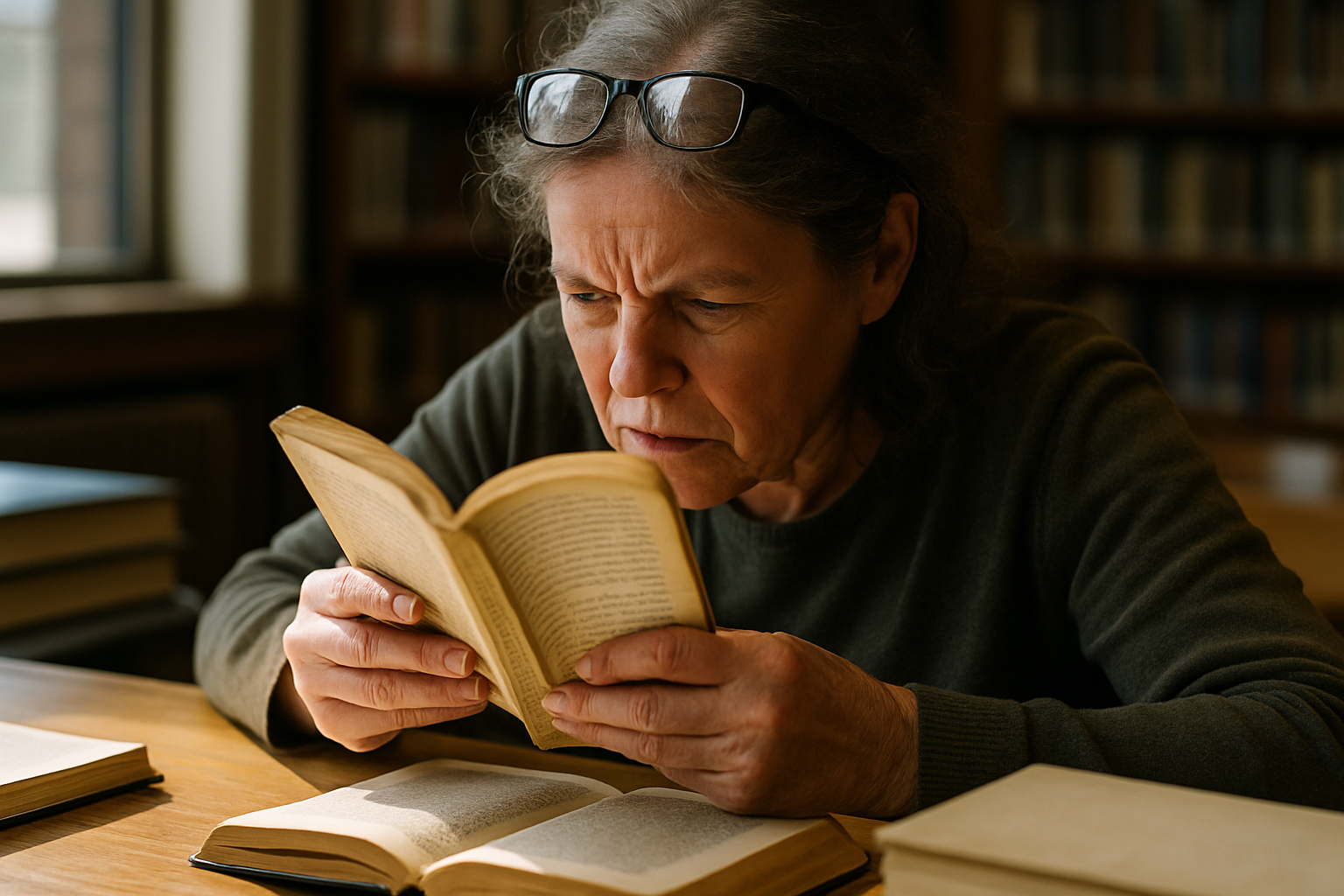
What this quote tries to capture The quote lands because it compresses a common relationship tension into one punchy contrast. It suggests men expect stability, while women expect improvement. Then it adds the twist: both expectations set people up for disappointment. However, you should treat it as a cultural observation, not a law of nature. Many couples flip the script, and many reject it entirely. Still, the line persists because it sounds like “something wise people say.” Therefore, it often travels without a source.
Earliest known appearance: a 1930 stage line, not a lab note The earliest strong match for the quote origin men marry women hope appears in a London stage play from 1930. The play, titled Cynara, was credited to H. M. Harwood and R. Gore-Browne. In one scene, a character named John Tring delivers the core idea. Tring’s wording differs from the modern viral version. Yet he clearly frames marriage as a clash of hopes. Women expect husbands to change, and men expect wives not to change. Then Tring adds the same punchline: both end up disappointed. The play later reached Broadway in 1931. It also appeared in an American “best plays” compilation for 1931–32. Consequently, the line had multiple pathways into public memory. A stage quote can travel for decades on sheer repeatability.

Historical context: why marriage jokes sharpened in the early 1900s The early twentieth century loved witty, slightly cynical talk about marriage. Playwrights and novelists often treated romance as a social negotiation. Therefore, a line about “hoping someone changes” fit the era’s tone. Additionally, gender roles shaped the joke’s structure. Many audiences expected men to “settle down” and women to “keep the home.” In that setting, “change” carried moral weight. It implied reform, restraint, or refinement. You can also see earlier literary echoes that use the same rhythm. In 1890, Oscar Wilde wrote a line with a similar cadence in The Picture of Dorian Gray. Wilde’s meaning differs, but the scaffolding matches. Therefore, later writers could plug in new “reasons” and keep the punchline.
Understanding the Deeper Meaning Behind It
How the quote evolved into the modern wording People rarely repeat stage dialogue word for word. Instead, they compress it into something easier to remember. That compression likely produced today’s clean, symmetrical phrasing. It also created a “quote-shaped object” that begged for a famous name. By the 1970s, newspaper columns discussed this concept about quote origin men marry women hope in longer, more narrative form. One column contrasted a man missing the “girl he married” with a woman waiting for her husband to improve. Although the wording differs, the theme matches closely. Therefore, the concept lived in public conversation long before social media. In the 1980s, the short, quotable form surged. A 1982 magazine item attributed the line to a comedian’s routine. In that same item, the comedian linked it to Albert Einstein. After that, advice columns repeated the attribution.
Variations and misattributions: why Einstein keeps getting the credit Einstein attracts quote misattributions like a magnet. People associate him with brilliance, so his name “validates” a clever line. Additionally, the quote sounds like an observational aphorism. That style fits the public’s imagined Einstein voice. Yet the paper trail does not support Einstein as the origin of the quote origin men marry women hope. The earliest strong theatrical appearance points to Harwood and Gore-Browne. Then the earliest close modern phrasing appears with a comedian’s routine decades later.
Therefore, Einstein looks like a later “upgrade,” not a source. You also see the quote morph in small ways. Some versions add “invariably both are disappointed.” Others flip “never change” into “not change.” Meanwhile, some versions remove gender entirely and talk about “partners.” Estelle Getty offered a related version in the late 1980s. She framed it as a hard-earned marriage observation. That celebrity repetition helped the idea stick in pop culture. Therefore, the line kept circulating even without a stable author.
Author background: Harwood, Gore-Browne, and the worldview behind the line H. M. Harwood and R. Gore-Browne wrote for the stage in a period that prized sharp dialogue. They needed lines that revealed character quickly. Consequently, Tring’s line functions as characterization as much as philosophy. R. Gore-Browne also wrote a novel connected to the play’s story. However, researchers have not consistently found the exact quote in the novel text. That gap matters because it suggests the line may have emerged during adaptation. Therefore, the stage version likely served as the quote’s launchpad. Even if you never read the play, you can infer the writers’ angle. They used irony to puncture romantic certainty. They also treated marriage as an arena for expectations and self-deception. That stance matched a broader theatrical tradition of witty realism.
Why This Quote Still Resonates Today
Cultural impact: why the quote keeps resurfacing The quote endures because it works in conversation. It lets someone name a frustration without telling a long story. Additionally, it offers a safe laugh during a tense moment. Humor lowers the stakes, at least briefly. However, understanding the true quote origin men marry women hope also reveals the quote’s baggage. It relies on a binary view of gender and desire. It can also excuse stagnation or dismiss growth as betrayal. Therefore, modern readers often debate it rather than accept it. You can see its cultural reach in advice columns, stand-up references, and social posts. It also appears in wedding speeches as a wink. In contrast, therapists and educators often prefer gender-neutral language. They focus on expectations, communication, and shared goals.

Modern usage: how to share it without spreading bad history If you post the quote, you can add context in one sentence. For example, you can credit the 1930 play rather than Einstein. That small note helps readers learn something real about the quote origin men marry women hope. Additionally, you can treat it as a prompt instead of a verdict. Ask, “What change do we fear?” and “What change do we need?” Then discuss which expectations feel fair. Therefore, the quote becomes a doorway to clarity. You can also update the language while keeping the insight. Try: “Partners often marry expecting different kinds of change.” Or: “We fall in love with a snapshot, then live with the movie.” Those versions keep the human truth without the stereotype.
Conclusion: a quotable line deserves a traceable story This quote feels ancient because it sounds inevitable. Yet the evidence points to a specific creative origin on a 1930 stage. Later retellings polished the wording and attached a famous name. Consequently, the internet inherited a neat line with messy paperwork. If you love the quote, keep it. However, carry the history with it. Credit the playwrights, or at least skip the Einstein label. Most importantly, use the line to start an honest talk about growth. Therefore, the quote can do something better than “disappoint” people. It can help them choose each other, again, with open eyes.