“No one in this world, so far as I know—and I have searched the records for years, and employed agents to help me—has ever lost money by underestimating the intelligence of the great masses of the plain people. Nor has anyone ever lost public office thereby. The mistake that is made always runs the other way. Because the plain people are able to speak and understand, and even, in many cases, to read and write, it is assumed that they have ideas in their heads, and an appetite for more. This assumption is a folly.”
A colleague forwarded this exact quote to me during a brutally difficult week at a struggling media startup. We had just launched a highly intellectual, deeply researched investigative series. Consequently, the traffic numbers were absolutely dismal. Meanwhile, a competitor’s listicle about celebrity pets was breaking internet traffic records. I initially dismissed the quote as a cynical cliché. However, watching those real-time analytics dashboards made the harsh truth unavoidable. The words felt like a secret warning left behind by a veteran editor. Therefore, I finally understood the profound, somewhat depressing reality behind this famous observation.
The Earliest Known Appearance
The legendary journalist H. L. Mencken penned this cynical masterpiece. He published the original phrasing on September 18, 1926. Mencken wrote a popular syndicated column called “As H. L. Sees It” for The Evening Sun in Baltimore. Additionally, newspapers across the country quickly reprinted his sharp commentary. For example, the Chicago Sunday Tribune and the San Francisco Chronicle featured the piece the very next day. Mencken loved poking holes at American idealism. As a result, his words resonated deeply with frustrated intellectuals of the Roaring Twenties. He served as the editor of the American Mercury, and during this time, his opinions shaped national debates.
Historical Context and Author Views
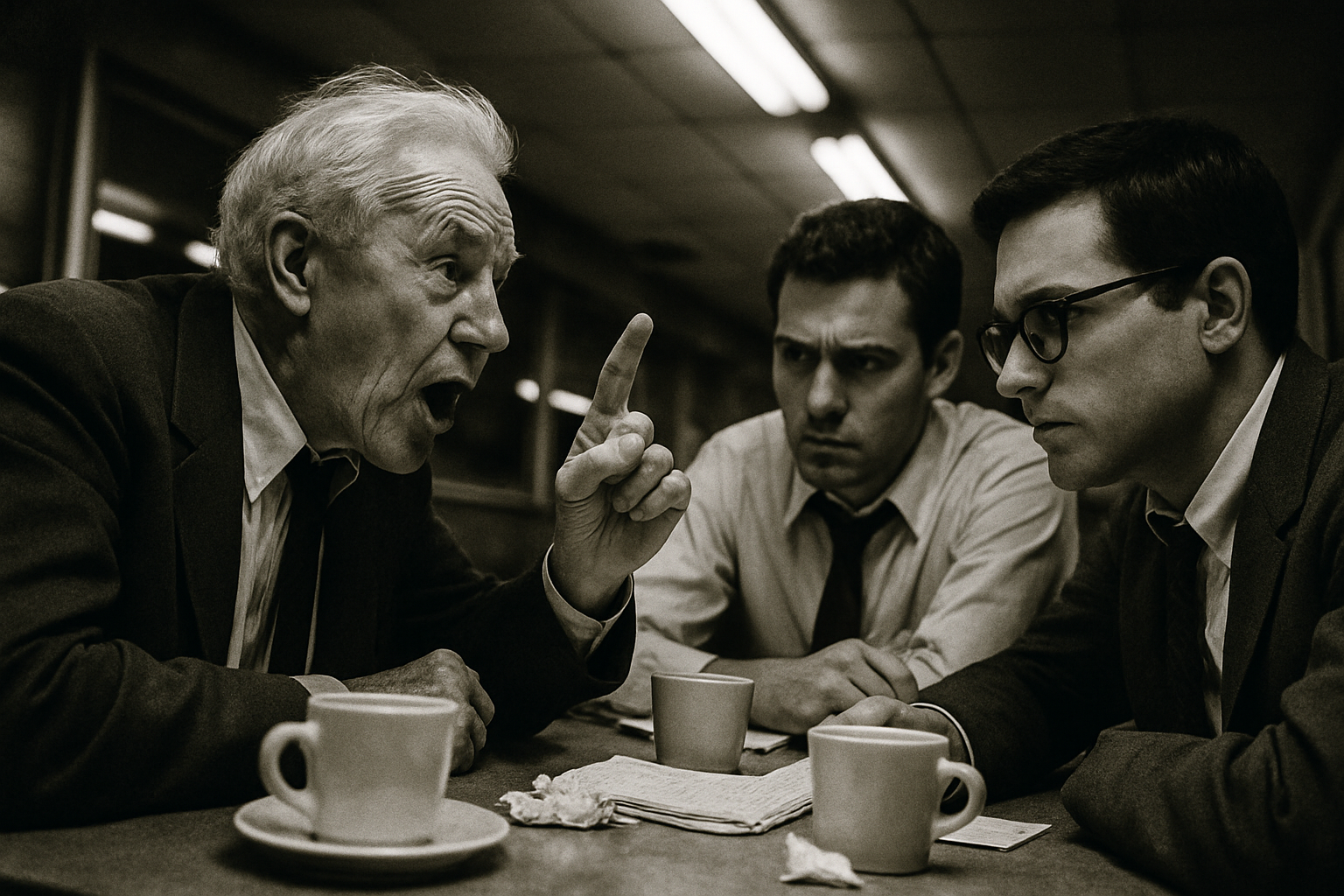
Mencken built his career on sharp, unapologetic elitism. He frequently criticized the general public and believed the average citizen lacked basic critical thinking skills. This famous quote perfectly captured his worldview. He watched politicians and businessmen pander to the lowest common denominator. Consequently, the quote origin—no one world ever lost money through such underestimation—seemed inevitable to him. He concluded that appealing to basic instincts always guaranteed success.
The 1920s saw a massive rise in consumer culture and mass media. Therefore, Mencken observed this phenomenon firsthand. He noticed that complex ideas rarely sold newspapers or political campaigns. Instead, simple, emotionally driven content dominated the market. The American economy boomed during this decade. Consequently, advertising agencies gained massive power and figured out how to manipulate public desires effortlessly.
Quote Origin No One World Ever

How the Phrasing Evolved Over Time
People rarely remember long, complex paragraphs. Therefore, the public quickly streamlined Mencken’s prolix observation. By 1928, an advertisement for the Fidelity Trust Company in Tennessee featured a significantly shorter version. They dropped the elaborate joke about employing agents to search records. Instead, they simply stated that nobody ever lost money by underestimating the human race.
Later, in 1935, a reader’s letter in the Richmond Times-Dispatch introduced the phrase “American public.” The evolution continued steadily throughout the mid-twentieth century. The phrase became punchier and more direct. Ultimately, it transformed into a modern maxim. Understanding this quote origin—no one world ever—required tracing these linguistic shifts across decades of popular usage.
The Knopf Publishing Contest Connection
The 1928 Fidelity Trust Company advertisement provided fascinating context. The publishers mentioned a recent prize contest conducted by Alfred A. Knopf, offering a substantial sum of one hundred dollars. However, an astonishing seventy-five percent of the contestants failed completely. They simply could not read and comprehend the basic rules. As a result, the judges immediately rejected their submissions. This hilarious failure perfectly illustrated Mencken’s cynical point. The advertisement used this story to justify their investment strategies. Consequently, the shortened quote gained incredible traction in the business world.
The Shift to Going Broke
The most famous modern variation involves the phrase “went broke.” This specific phrasing first appeared in print around 1944. A reader in Massachusetts wrote a letter to The Berkshire Evening Eagle claiming that no man ever went broke by underestimating the intelligence of the American public. Interestingly, this letter writer attributed the quote to film producer Louis B. Mayer. This misattribution highlights how easily famous quotes attach themselves to prominent figures. Mayer certainly profited from mass entertainment, but he did not coin the phrase. Understanding the true quote origin—no one world ever—requires separating fact from popular mythology.
Louis B. Mayer ran Metro-Goldwyn-Mayer during its golden age. Therefore, the attribution made logical sense to the public.
What This Famous Quote Really Means

Variations and Famous Misattributions
Mencken’s original words suffered many incorrect attributions over the decades. For example, people frequently credit the legendary showman P. T. Barnum. In 1978, a television reviewer for The Baltimore Sun explicitly linked Barnum to the quote, claiming Barnum said nobody ever went broke underestimating the American people. However, researchers find absolutely no evidence supporting this Barnum connection. People simply associate Barnum with cynical views of the public. Barnum famously operated the American Museum in New York and understood crowd psychology perfectly. Therefore, people naturally assumed he coined the phrase. Additionally, Arthur L. Mayer used a variation in 1951, swapping the word “intelligence” for “taste.”
The Canadian Variation
The quote eventually crossed international borders. By 1951, a Canadian newspaper printed a fascinating geographic variation. A writer for The Vancouver Sun adjusted the famous phrasing, claiming nobody ever went broke underestimating the intelligence of the North American public. This subtle change broadened the scope of Mencken’s original insult. The writer also mentioned P. T. Barnum in the exact same paragraph, contrasting Barnum’s bluntness with Mencken’s framing. Therefore, this specific article likely contributed to the later Barnum misattributions. The proximity of the two names confused later readers trying to verify the quote origin—no one world ever—in historical records.
Cultural Impact and Industry Pushback
Not everyone agreed with Mencken’s cynical assessment. The legendary advertising executive David Ogilvy strongly opposed the idea. In his 1963 book “Confessions of an Advertising Man,” Ogilvy directly challenged the quote and specifically referenced the “taste” variation of the saying. Ogilvy argued that treating consumers with respect actually drives better business results. He believed that ugly advertisements suggested ugly products. Therefore, he demanded high-quality, tasteful layouts from his creative teams. This philosophical clash highlights a deep divide in marketing strategy. Ogilvy built his agency on sophisticated branding and refused to treat his audience like fools.

The Role of Mass Media
The 1920s introduced unprecedented shifts in media consumption. Radio broadcasts reached millions of homes simultaneously. Consequently, content creators needed to appeal to massive, diverse audiences. Mencken observed this shift with deep skepticism. He realized that nuanced arguments failed on these new platforms. Instead, broad emotional appeals won the day. Therefore, his quote captured a permanent shift in communication strategies. The era of mass media required lowest-common-denominator thinking. Marketers quickly adopted this cynical but effective philosophy. As a result, the entire advertising industry transformed and stopped trying to educate consumers entirely, focusing purely on basic desires.
How The Quote Shaped Modern Thinking
The Political Implications
Mencken explicitly mentioned politics in his original text, noting that nobody ever lost public office by underestimating the public. Politicians quickly proved his theory correct. During the twentieth century, political campaigns became increasingly simplified. Complex policy discussions disappeared from the campaign trail. Instead, candidates relied on catchy slogans and emotional manipulation. Mencken watched this degradation of political discourse with disgust. However, he also viewed it as inevitable, believing the average voter lacked the capacity for deep analysis. Therefore, political success required intellectual compromise, making the quote origin—no one world ever—seem like prophecy rather than mere observation.
The Enduring Cynicism of the Quote
This quote remains popular because it validates our frustrations. Everyone occasionally feels surrounded by foolishness. When a terrible movie breaks box office records, we remember Mencken. When a ridiculous product sells out, the quote provides comfort. It offers a convenient explanation for inexplicable popularity. Consequently, it acts as a defense mechanism for intellectuals and allows critics to dismiss popular success as mere pandering. However, this viewpoint carries inherent dangers. It encourages a dismissive attitude toward genuine cultural phenomena. Therefore, we must use the quote carefully. It explains a lot, but it does not explain everything.
Modern Usage and Lasting Legacy
Today, politicians, marketers, and media executives constantly echo Mencken’s sentiment. The streamlined version dominates modern conversations. You will hear it in Hollywood pitch meetings and Silicon Valley boardrooms. Creators often face a difficult choice between high art and mass appeal. Mencken’s harsh words serve as a persistent reminder of market realities. Television networks constantly face this dilemma, canceling brilliant shows due to low ratings while reality television dominates the airwaves. However, the internet occasionally proves him wrong, as niche, highly intellectual content sometimes achieves massive success. Still, the fundamental truth of his observation remains largely intact. The quote origin—no one world ever—continues to shape how we understand media and commerce, reminding us that mass appeal usually requires simplicity.
Conclusion
H. L. Mencken successfully captured a timeless truth about human nature and commerce when he wrote the definitive statement on mass appeal in 1926. Over time, the public shortened and sharpened his words, replacing “lost money” with “went broke” and swapping “plain people” for “American public.” Furthermore, they incorrectly assigned the brilliance to P. T. Barnum and Louis B. Mayer. Despite these changes, the core cynical message survives. Understanding the quote origin—no one world ever—reveals how misattributions occur and how wisdom gets distorted across generations. Mencken understood the mechanics of popularity better than anyone. Consequently, his century-old observation continues to explain our modern media landscape perfectly. We still live in the world he described, where appealing to the lowest common denominator remains the most reliable path to commercial success.
About This Article

Written by Margaret Voss. Margaret Voss is an obsessive quote hunter who has spent over 15 years chasing down primary sources and original attributions purely because she can't stand a misattributed quote. She's built an extensive personal archive of manuscripts, letters, speeches, and historical documents along the way, and has gotten pretty good at spotting quotes that have been misattributed for decades. No formal training — just fifteen years of stubborn fact-checking and a refusal to let "probably said by Einstein" slide. More about this site.
Verify this against a primary source
Specifics change, and your situation may differ from the one described here. These are the authorities worth checking directly:
- Quote Investigator — traced attributions and earliest known citations
- Wikiquote — sourced and disputed-attribution listings
- Internet Archive — scans of the original printed sources