A former manager emailed this phrase to me during a particularly brutal corporate restructuring phase. My inbox overflowed with urgent requests, and I felt completely untethered from my career goals. I initially dismissed the message as empty inspirational fluff from a disconnected boss. However, the words lingered in my mind during a sleepless night, forcing me to confront my lack of purpose. The idea shifted my perspective entirely, prompting me to finally leave that unfulfilling job. Consequently, I began researching the quote origin two most important days to understand its true roots. The history of this profound saying reveals a fascinating journey through sermons, self-help books, and internet misattributions.
“The two most important days in your life are the day you are born and the day you find out why.”
The Earliest Known Appearance
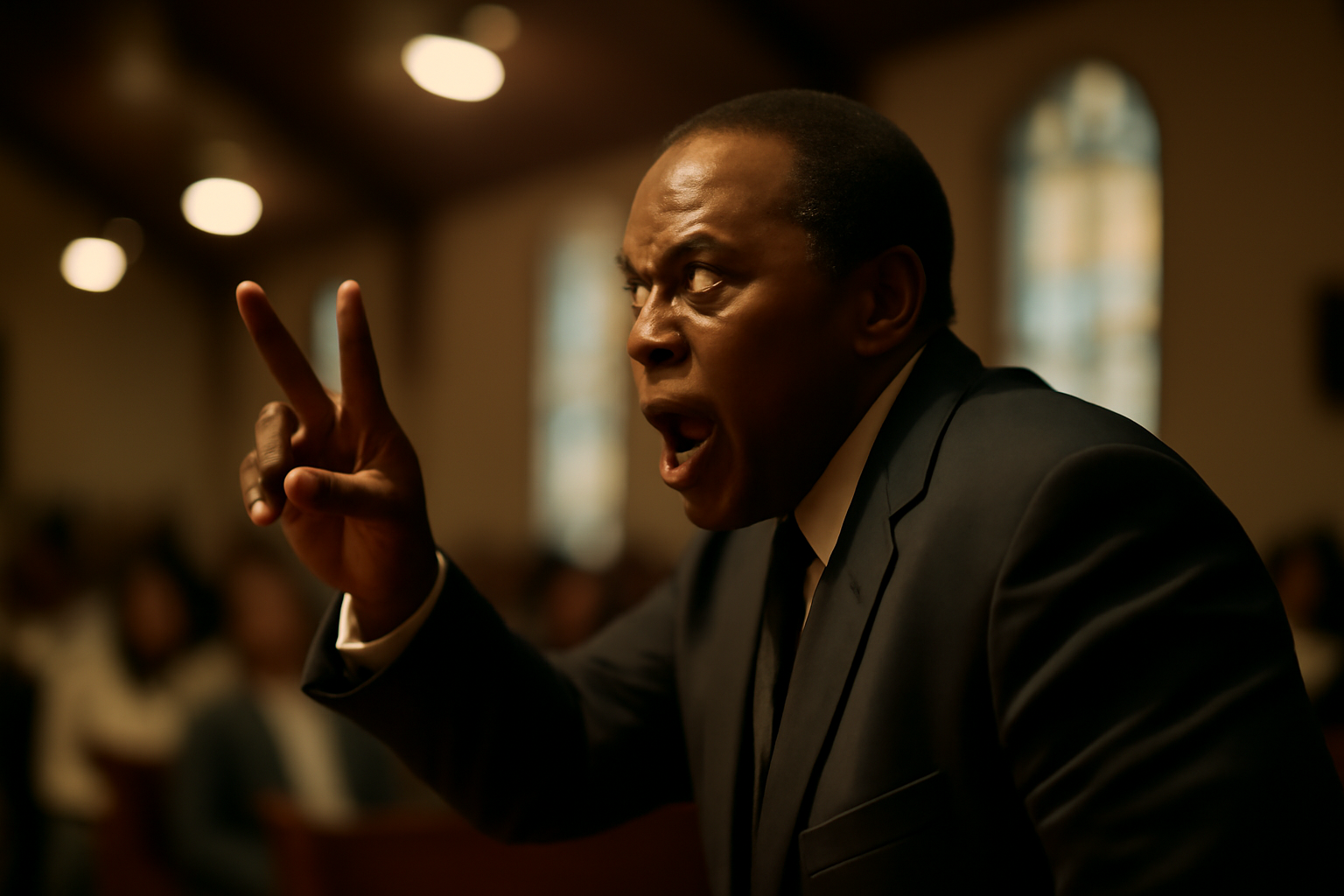
Many people assume a famous philosopher penned this profound statement. Instead, the earliest strong match for this quote origin two most important days comes from a 1970 church pamphlet. Minister Ernest T. Campbell delivered a sermon in New York City on January 25, 1970. He told his congregation that our times require action rather than mere words. Interestingly, Campbell prefaced the phrase with the words “it has been said.” This specific phrasing indicates he did not invent the quote himself. Therefore, the true creator remains anonymous to this day. Campbell clearly valued the core message about discovering personal purpose.
A few years later, he employed a slight variation of the phrase. On November 18, 1973, he delivered another sermon published by his church. He stated that the two crucial days are the day a person is born and the day she discovers why. Consequently, Campbell helped popularize the concept, even if he did not originate it. His sermons reached a wide audience during a time of significant social upheaval. People desperately sought meaning during the cultural shifts of the early 1970s. The Vietnam War and various civil rights movements forced Americans to reevaluate their core values. Thus, the anonymous quote found fertile ground in the hearts of his listeners. Individuals wanted to know their lives held significance beyond the traditional corporate path. Campbell tapped directly into this widespread existential yearning with his powerful sermons.
Historical Context and Precursors
Quote Origin Two Most Important Days
Before the modern version emerged, several writers explored similar thematic structures. Authors frequently grouped significant life events into sets of two or three days. For example, author W. S. Blatchley wrote about two important days in 1906. He published a book called “Boulder Reveries” that contained a darker philosophical reflection. However, he focused on birth and death rather than purpose and meaning. Blatchley noted that a person remembers absolutely nothing of these two critical days. His writing highlighted the vulnerability of human existence at its beginning and end.
Decades later, a different variation appeared in a local Ohio newspaper. In 1924, “The Cincinnati Enquirer” reported on a law school commencement speech. James Albert Green addressed the new graduates of the Young Men’s Christian Association Night Law School. Green declared the three crucial days of life as birth, wedding, and graduation. Obviously, this version lacks the profound existential weight of the modern quote. Nevertheless, it demonstrates the rhetorical appeal of categorizing life’s most significant moments. Speakers continually used this structural device to captivate their audiences.
Additionally, Norton Juster’s 1961 children’s book “The Phantom Tollbooth” played with this concept. The main character Milo meets an inquisitive official named the “Senses Taker.” This character interrogates Milo with a lengthy series of rapid-fire questions. The official demands to know when Milo was born and why he was born. Juster used this wordplay to highlight the absurdity of bureaucratic questioning. However, the implicit philosophical inquiry remains clear to adult readers. Thus, the cultural foundation for the modern quote slowly built over decades.

How the Quote Evolved
The phrase gained significant traction during the self-help movement of the 1980s. Author Anita Canfield included a bold variation in her 1985 book about self-esteem. She urged readers to ask themselves a profound question about their existence. Canfield explicitly identified the day you realize why you were born as paramount. Furthermore, she explained that people are born to bless the lives of others. This interpretation firmly connected the quote origin two most important days to acts of service and contribution. As a result, the saying moved beyond mere self-discovery into the realm of community impact.
During the late 1990s, the quote began appearing in broader religious contexts. A 1998 sermon collection credited Scottish theologian William Barclay with the saying. The text used the phrase “two great days” instead of “two most important days.” Because Barclay died in 1978, this late attribution seems highly suspect. The author of the collection even included a footnote admitting the source remained unknown. This practice of attributing orphan quotes to respected figures happens frequently in publishing.
By 1999, the expression reached a massive new audience through sports and faith. Football coach William McCartney used the exact modern phrasing at a large religious gathering. McCartney founded the Promise Keepers organization, which hosted massive stadium events. He wrapped up a two-day event by delivering this powerful message to the crowd. Consequently, the saying resonated deeply with the thousands of assembled men. His delivery cemented the quote origin two most important days in its place in modern motivational speaking and leadership training. From that point forward, the phrase became a staple in self-improvement circles.
Understanding Your Life’s True Purpose

Variations and Misattributions
The internet age dramatically accelerated the spread of false attributions. Social media users frequently attach famous names to anonymous quotes to boost engagement. By 2008, Twitter users began attributing the phrase to author Tim Elmore. Shortly after, tweets credited David Wood, Dave Martin, and Helen Burns. Each new tweet created a false trail of authorship for future readers. Consequently, tracing the true quote origin two most important days became an incredibly difficult task for researchers. The digital echo chamber simply amplified whatever name appeared in the most recent post.
However, the most famous misattribution occurred around 2011. People suddenly began assigning the profound words to Mark Twain. Twain often serves as a magnet for orphan quotes because of his legendary wit. Scholars call this phenomenon “Churchillian Drift,” where quotes naturally gravitate toward famous historical figures. A 2012 Oklahoma newspaper even published an article confidently attributing the phrase to Twain. The author used the quote to emphasize the importance of teaching children their purpose.
Despite this widespread belief, researchers have found zero evidence connecting the Missouri author to the statement. Twain wrote extensively about the human condition, but he never penned these specific words. Furthermore, the earnest, motivational tone of the quote contradicts Twain’s typically cynical style. He usually preferred sharp satire over straightforward inspirational platitudes. Nevertheless, the Twain attribution remains the most popular version on the internet today. This enduring myth highlights our collective desire to connect profound wisdom to recognizable geniuses.

Cultural Impact and Philosophical Meaning
Since the original author remains unknown, we cannot analyze their specific life views. Nevertheless, the anonymous nature of the quote actually enhances its universal appeal. Anyone can adopt the message without carrying the baggage of a specific historical figure. The phrase perfectly captures the human desire for meaning and direction. Furthermore, it divides life into two distinct chapters: existence and purpose. The first day happens to us, while we must actively pursue the second day. This dichotomy empowers individuals to take control of their own destinies.
Psychologists often discuss the importance of finding one’s purpose for mental well-being. Concepts like the Japanese philosophy of Ikigai align perfectly with this anonymous quote. Ikigai represents the intersection of passion, mission, vocation, and profession. When a person discovers their “why,” they unlock a deeper level of fulfillment. Therefore, graduation speakers, life coaches, and religious leaders constantly rely on this saying. It provides a simple, memorable framework for personal growth and self-actualization.
How This Wisdom Transforms Modern Lives
Additionally, the quote echoes the profound work of psychiatrist Viktor Frankl. In his seminal book “Man’s Search for Meaning,” Frankl argued that purpose sustains human life. He observed that individuals with a strong “why” could survive almost any “how.” The anonymous quote distills this complex psychological theory into a single, punchy sentence. Consequently, the phrase resonates deeply with anyone facing adversity or existential doubt. It reminds us that our struggles gain meaning when attached to a larger life mission.
The Psychology of Purpose
Modern psychological research heavily supports the core premise of this famous saying. Studies consistently show that individuals with a clear sense of purpose live longer. Furthermore, these purpose-driven people experience lower rates of heart disease and cognitive decline. They possess a psychological buffer against the daily stressors of modern life. When you know why you exist, minor inconveniences lose their power to derail your day. Consequently, therapists frequently use the quote origin two most important days during cognitive behavioral therapy sessions. They ask patients to reflect on their unique talents and core values. This process helps individuals transition from merely existing to actively thriving. The anonymous author perfectly captured this clinical truth in a single, poetic sentence. We instinctively recognize the validity of the statement because it aligns with our biological drive for meaning. Therefore, the quote functions as both a motivational tool and a profound psychological insight.
Modern Usage and Final Thoughts
Today, you will find this phrase on coffee mugs, inspirational posters, and Instagram feeds. People share it during career transitions, milestone birthdays, and moments of self-doubt. The simplicity of the message ensures its continued relevance in our fast-paced world. We live in an era of constant distraction and overwhelming information. Therefore, a clear, concise reminder about personal purpose cuts through the daily noise. The quote serves as a mental anchor when we feel adrift in our responsibilities.
Furthermore, the rise of the creator economy has given this quote new life. Independent entrepreneurs frequently cite the phrase when launching new businesses or creative projects. They use it to justify leaving traditional employment to pursue passion-driven careers. The modern workforce increasingly demands purpose alongside a standard paycheck. As a result, companies must articulate their core mission to attract top talent. The anonymous wisdom from a 1970 church pamphlet now influences corporate boardrooms worldwide.
While we may never identify the original author, their words have undeniably shaped modern motivational culture. We should focus on the wisdom of the message rather than the identity of the messenger. Discovering your purpose requires deep reflection, courageous action, and relentless curiosity. The journey toward that second important day often involves numerous setbacks and false starts. However, the ultimate reward of living a purpose-driven life justifies the difficult struggle.
In summary, the mystery of the quote origin two most important days perfectly mirrors the mysterious journey of finding one’s purpose. Both require patience, investigation, and a willingness to embrace the unknown. The anonymous author gave the world an incredible gift by framing life’s mission so elegantly. We honor their hidden legacy every time we strive to uncover our own personal “why.” Ultimately, the day you discover your purpose truly marks the beginning of your real life.
About This Article

Written by Margaret Voss. Margaret Voss is an obsessive quote hunter who has spent over 15 years chasing down primary sources and original attributions purely because she can't stand a misattributed quote. She's built an extensive personal archive of manuscripts, letters, speeches, and historical documents along the way, and has gotten pretty good at spotting quotes that have been misattributed for decades. No formal training — just fifteen years of stubborn fact-checking and a refusal to let "probably said by Einstein" slide. More about this site.
Verify this against a primary source
Specifics change, and your situation may differ from the one described here. These are the authorities worth checking directly:
- Quote Investigator — traced attributions and earliest known citations
- Wikiquote — sourced and disputed-attribution listings
- Internet Archive — scans of the original printed sources