“We attend the openings of envelopes.”
A colleague texted me that line during a brutal Thursday. He gave no context, just the quote. Meanwhile, my calendar looked like a game of Tetris. I had three invites, two deadlines, and zero energy. However, the line made me laugh, then wince, because it felt accurate.
I kept rereading it between meetings, and it started to sound less funny. It sounded like a mirror for attention, status, and social momentum. So, I went looking for where this quote origin about attending openings of envelopes came from. Additionally, I wanted to know who first aimed it, and who later claimed it.

What the Quote Really Means (And Why It Stings)
The joke lands because it exaggerates a real behavior. People chase openings because openings promise proximity to importance. Therefore, “opening of an envelope” mocks the idea of showing up anywhere. It implies the person loves attention more than the event itself. In contrast, a meaningful opening celebrates work, craft, or community.
The line also works as a social shorthand. You can say it at a party and everyone understands. Additionally, it stays flexible, because you can swap in any name. That flexibility later fueled misattributions and rewrites of this quote origin about attend openings of envelopes.
Earliest Known Appearance: A Broadway Column and a Party-Scene Target
The earliest trace in print points to a Broadway gossip context. A columnist named Jack O’Brian circulated the barb in the mid-1970s. Moreover, the line targeted actress Sylvia Miles as a relentless attendee. That matters, because the joke began as a pointed jab, not a self-deprecating meme about attending openings of envelopes.
This origin fits the era’s media ecosystem. Gossip columns thrived on quick, repeatable lines. Therefore, a sharp quip could travel fast through talk shows and green rooms. In addition, the joke’s structure made it easy to remember and repeat.
The Quote Origin Behind Envelope Openings
Historical Context: Why “Openings” Became Social Currency
In the 1970s, New York nightlife ran on visibility. Studio-era glamor had shifted into a more public, press-friendly scene. Meanwhile, openings multiplied across Broadway, galleries, restaurants, and fashion. These events blended art, commerce, and networking in one room.
Publicists also professionalized the invitation economy. They used guest lists to signal relevance. Consequently, “being seen” became a kind of work for performers and social figures. However, the joke punctured that performance by calling it desperate, which is why the quote origin of attending openings of envelopes resonated so deeply.
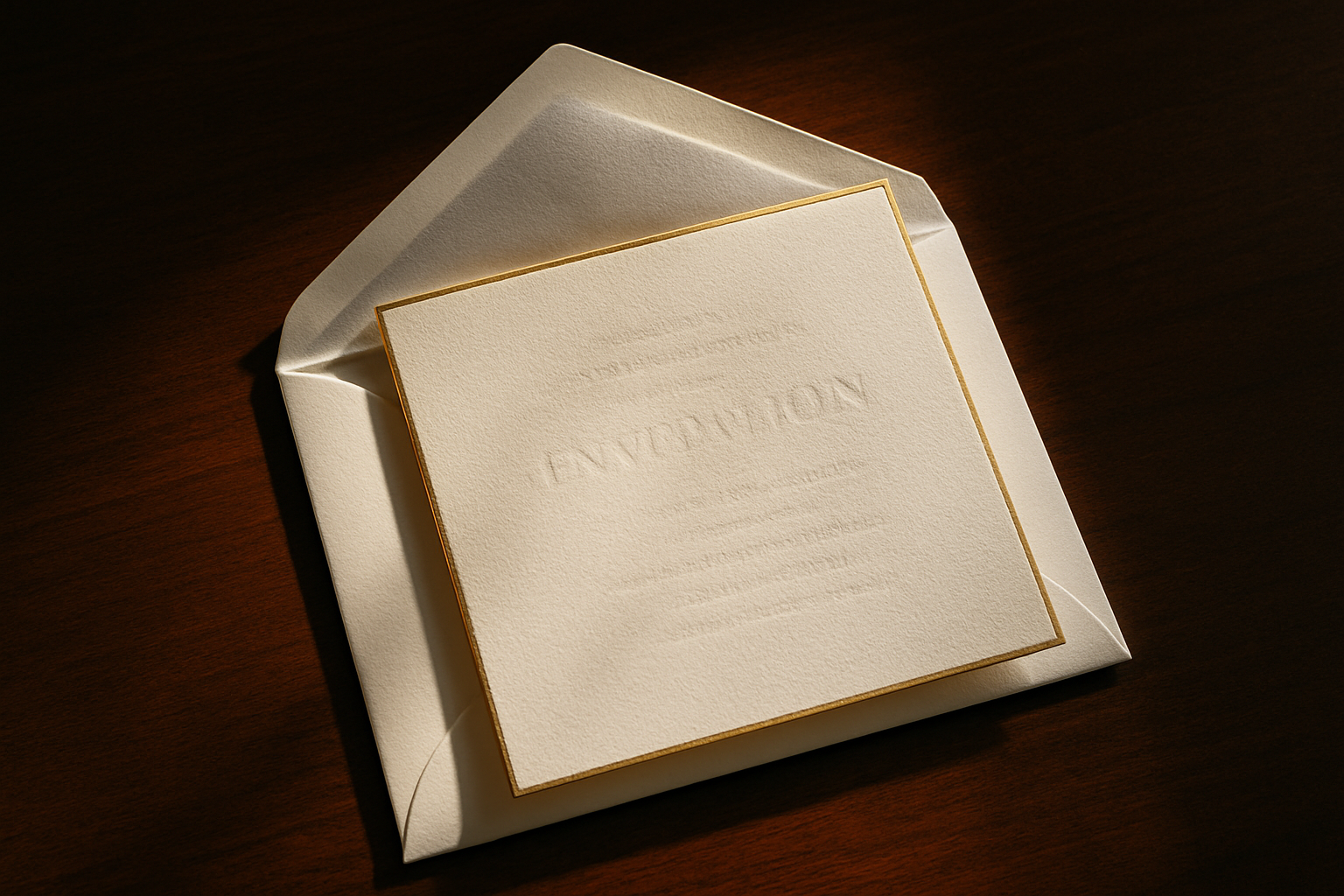
How the Quote Evolved: From “She’d Go” to “We Go”
Early versions often used third person. Writers framed it as “She’d go to the opening of an envelope.” That phrasing kept the target at arm’s length. Additionally, it let the speaker sound above the fray.
Then performers picked it up and repeated it onstage. For example, puppeteer and comedian Wayland Flowers used the line about Sylvia Miles in 1975. That performance context mattered, because audiences rewarded the punchline. Therefore, repetition turned a niche jab into a portable gag about the quote origin of we attend the openings of envelopes.
Later in 1975, columnists reported that Miles even liked the line. That detail suggests the joke had become part of her public persona. Moreover, it shows how targets sometimes adopt the insult to reduce its sting.
The biggest evolution came when Andy Warhol flipped the joke into first person plural. He reportedly said, “We go to openings of envelopes, openings of books, and closings of doors.” That expansion did two things at once. First, it made the line broader than one actress. Second, it framed event-hopping as a group ritual, not a personal flaw.

Variations and Misattributions: Warhol, Miles, and the Name-Tag Problem
People often credit the quote to Warhol alone. That makes sense, because Warhol’s brand fused art, celebrity, and parties. However, the joke circulated about Sylvia Miles before Warhol’s famous extension. Therefore, Warhol likely popularized a variant rather than inventing the core idea behind this quote origin about attending the openings of envelopes.
What Does This Quote Really Mean
Rex Reed also played a role in the spread. Reports describe him using the line on a late-night appearance to get laughs. Additionally, that platform amplified the joke beyond New York insiders. Once television repeats a line, people forget the original source.
The quote also attracted misdirection because it works on anyone. You can plug in a politician, influencer, or socialite. As a result, later books collected similar jokes with different names and objects. For example, writers swapped “envelope” for “napkin” or “supermarket” to fit new targets.
Even the Miles legend got pushback. A 1979 item claimed someone hosted a tongue-in-cheek “new door” opening, and Miles skipped it. That story matters because it reveals how legends harden into caricature. In contrast, real people still choose where to go.
Cultural Impact: Why the Envelope Still Opens in Our Minds
This joke survived because it describes a recognizable social type. Every city has someone who appears at every launch. Additionally, social media made that behavior more visible and more rewarded. Now people chase soft openings, brand dinners, and “invite-only” pop-ups. Therefore, the envelope feels modern, not dusty, and the quote origin about attending openings of envelopes remains relevant.
The phrase also compresses a critique of status anxiety. It suggests that the attendee fears missing relevance. Moreover, it implies the attendee values access over substance. That critique resonates in creative industries, where networking can feel mandatory.
At the same time, the joke stays gentle enough to repeat. It rarely accuses anyone of wrongdoing. Instead, it teases a hunger for the room itself. Consequently, people use it as a safe, funny way to set boundaries.

Author’s Life and Views: Warhol’s Self-Aware Party Logic
Warhol’s connection deserves special care, because many readers treat him as the author. He did not just attend parties for fun. He also treated visibility as material for art and brand-building. Additionally, he built a public persona that blurred sincerity and performance. That made his version feel definitive.
How This Quote Shaped Modern Culture
His expanded line also reveals a strange honesty. He frames the behavior as “we,” not “they.” Therefore, he includes himself and his entourage in the joke. That move turns mockery into commentary on a whole system. In other words, he jokes about the machine while riding it.
Afterward, reports suggest he kept riffing on the theme. One later story quotes him joking that people said he would attend an envelope opening, and he instead attended an escalator opening. The humor works because it escalates the absurdity while staying plausible.
Modern Usage: How to Use the Quote Without Losing the Point
Today, people use the line in three main ways. First, they use it as a playful insult for a social climber. Second, they use it as self-mockery when they overbook themselves. Third, they use it as a warning sign when networking replaces living.
If you quote it online, context helps. Otherwise, the line can sound like you hate events or people. However, the best use carries a wink, not contempt. Additionally, you can pair it with a boundary, like skipping a launch to rest. That keeps the joke from becoming bitterness.
You can also credit it responsibly. If you want the cleanest phrasing, you can cite Warhol for the “we go” expansion. Meanwhile, you can mention that the earlier jab circulated about Sylvia Miles in Broadway media. That approach respects how jokes actually travel, and it honors the true quote origin about attending openings of envelopes.
Conclusion: The Envelope Opens, and So Does the Lesson
“We attend the openings of envelopes” endures because it names a temptation. We all want to feel included, especially during uncertain seasons. However, the joke asks a sharper question: do you love the work, or the room? Therefore, the line can guide you back to intention.
The history also teaches a practical lesson about attribution. Quips rarely spring from one mouth and stay there. Instead, they move through columns, stages, talk shows, and books. In summary, the quote origin about we attend the openings of envelopes belongs to a whole ecosystem of fame, humor, and repetition.