VERIFIED
“What are men to rocks and mountains?”
- Commonly attributed to: Jane Austen, Elizabeth Bennet (Pride and Prejudice)
- Actual source: Jane Austen, ‘Pride and Prejudice’ (1813), Chapter 27 — spoken by Elizabeth Bennet to her aunt Mrs. Gardiner on being invited on the tour of the Lakes.
- Earliest verified appearance: 1813 — ‘Pride and Prejudice’, ch. 27: "Adieu to disappointment and spleen. What are men to rocks and mountains? Oh, what hours of transport we shall spend!" (Elizabeth Bennet to Mrs. Gardiner; wording verified in the Project Gutenberg text, ebook #1342). — Project Gutenberg #1342
- Confidence: High · Last verified: July 2026
The verdict: Genuine Austen: Elizabeth Bennet exclaims "What are men to rocks and mountains?" in Chapter 27 of ‘Pride and Prejudice’ (1813), verbatim in the Project Gutenberg text.
Every claim above links to a primary source I checked myself. How I verify quotes →
If you’re interested in learning more about Jane Austen and her impact on history, here are some recommended resources:
Jane Austen poses this powerful question in her beloved novel, Pride and Prejudice. The character Elizabeth Bennet asks it during a moment of profound awe. She stands amidst the rugged landscapes of Derbyshire, feeling the weight of her personal troubles diminish. The sheer scale of nature offers her a new, humbling perspective. Indeed, this single line captures a central theme of the novel. It highlights the contrast between the fleeting concerns of human society and the enduring majesty of the natural world. Understanding the “what are men to rocks and mountains quote origin” helps readers grasp the depth of Elizabeth’s character development.
This article explores the deep meaning behind this famous quote. We examine its context within the story and analyze its connection to the Romantic movement and its timeless relevance today. The quote serves as a pivotal point for Elizabeth’s personal growth and offers readers a powerful reminder to seek perspective in the world around them. Discovering the “what are men to rocks and mountains quote origin” reveals how Austen crafted one of literature’s most memorable meditations on human insignificance.
What Are Men to Rocks and Mountains Quote Origin
The Crucial Context in the Novel
To fully appreciate the quote, we must understand Elizabeth Bennet’s journey. She is traveling through the Peak District with her aunt and uncle, the Gardiners. This trip is meant to be a pleasant distraction. Previously, she had forcefully rejected a marriage proposal from the proud and wealthy Mr. Darcy. The entire encounter left her feeling confused and agitated. Her journey through the sublime English countryside, therefore, provides a much-needed emotional reset.
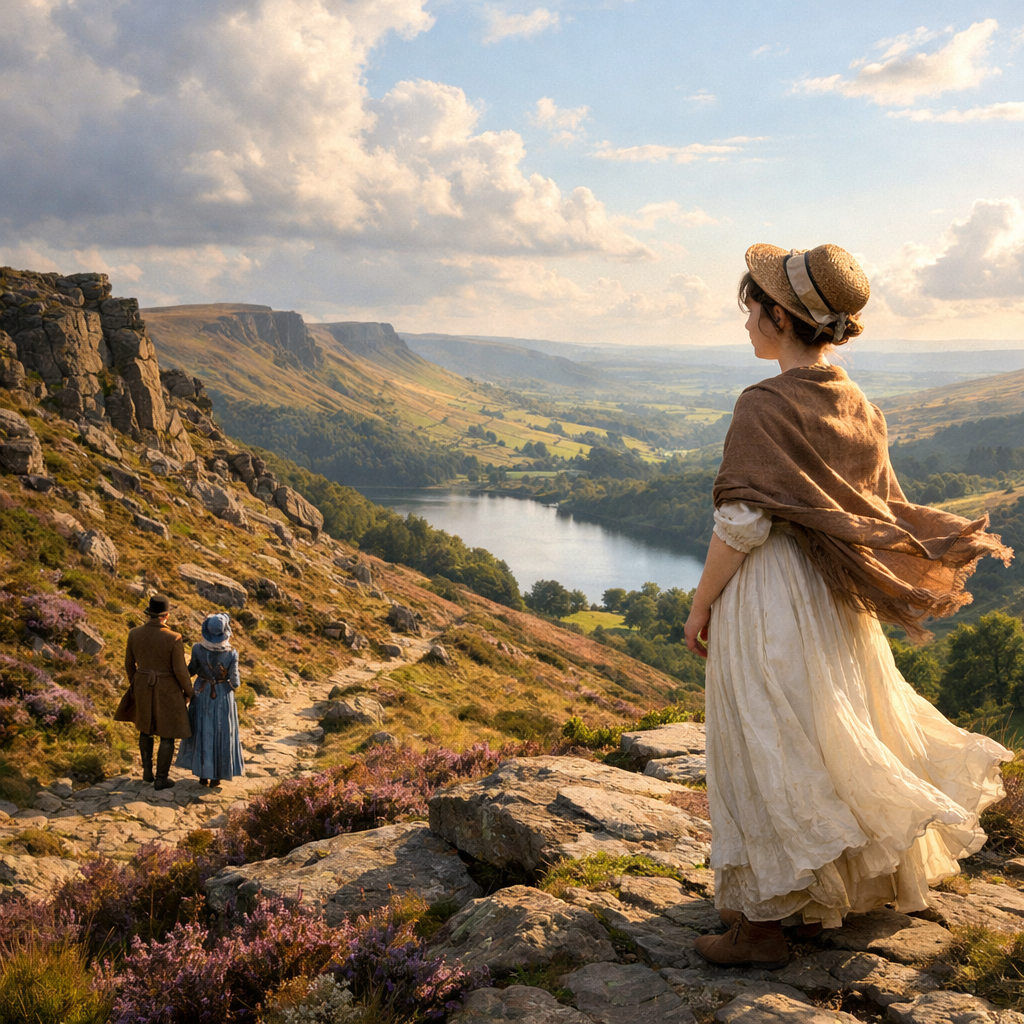
As she gazes upon the vast, unyielding scenery, her personal anxieties begin to feel small. The social slights, the family embarrassments, and the romantic turmoil seem insignificant against the ancient grandeur of the landscape. The rocks and mountains have stood for millennia. They will remain long after her own worries have faded. This realization is not disheartening; instead, it is liberating. It allows her to step outside of her own head and see her life with newfound clarity.
This experience in nature directly prepares her for her visit to Pemberley, Mr. Darcy’s estate. Her appreciation for the natural beauty of Derbyshire opens her mind. Subsequently, she becomes more willing to reconsider her harsh judgment of its master. Nature provides the space for her prejudice to begin to dissolve. The “what are men to rocks and mountains quote origin” becomes clear when we recognize how this moment bridges Elizabeth’s past judgments and her future acceptance.
Unpacking the Deeper Meaning
The quote operates on several thematic levels. At its core, it is a profound reflection on human insignificance. In the face of geological time, human lives are incredibly brief. Our dramas, ambitions, and heartaches are transient. This perspective, rooted in the Romantic era’s fascination with the sublime, suggests that nature is a powerful force. It can humble the human ego and inspire a sense of wonder. The experience of the sublime involves feeling overwhelmed by something vast and powerful, leading to a sense of awe. Exploring the “what are men to rocks and mountains quote origin” illuminates how Austen tapped into these Romantic ideals.
The Deeper Meaning Behind This Powerful Quote
A Catalyst for Personal Growth
For Elizabeth, this moment is more than just a passing thought. It marks a significant turning point in her character arc. The journey through Derbyshire is both a physical and an internal one. By appreciating a landscape so different from her manicured home in Hertfordshire, she demonstrates a growing maturity. She learns to see value in things that are wild, untamed, and perhaps even intimidating at first glance.
This newfound appreciation for the rugged landscape mirrors her evolving feelings for Mr. Darcy. She initially viewed him as proud, arrogant, and disagreeable. However, just as she finds beauty in the imposing mountains, she starts to see beyond Darcy’s formidable exterior. The visit to Pemberley, where nature and careful cultivation exist in harmony, solidifies this shift. She sees that his character, like his estate, is more complex and beautiful than she first assumed.
Nature as a Source of Truth
Austen frequently uses nature as a setting for truth and clarity. Characters often escape the stuffy, restrictive drawing rooms to have their most honest conversations outdoors. For example, Elizabeth and Darcy have several of their most critical talks while walking. Nature offers a space free from the rigid pretenses of society. It is a place where characters can be their most authentic selves.
Elizabeth’s awe in Derbyshire aligns with this theme. Away from the societal pressures of Longbourn and Netherfield, she connects with a more profound reality. The mountains do not judge. The rocks do not gossip. They simply exist, offering a silent, steadying presence. This connection to something real and permanent gives her the strength to re-evaluate her own feelings and judgments.
How This Quote Continues to Impact Literature Today
The Quote’s Enduring Relevance Today
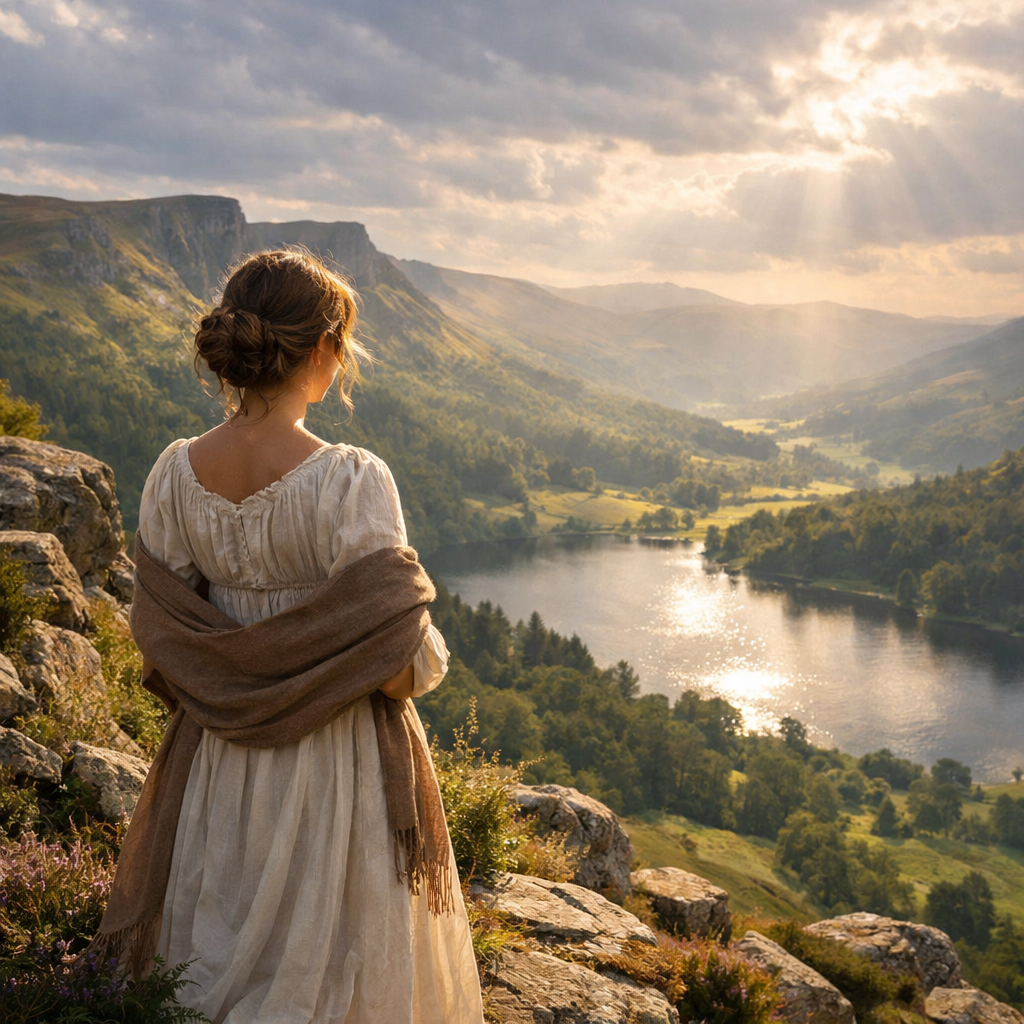
Over two centuries after Austen wrote these words, they still resonate deeply. Our modern lives are filled with digital distractions and constant social pressures. We often feel overwhelmed by work, responsibilities, and the relentless news cycle. The feeling that our problems are all-consuming is a common experience. Elizabeth’s solution—turning to the natural world—is more relevant than ever. The “what are men to rocks and mountains quote origin” demonstrates how timeless wisdom emerges from literature that speaks to our deepest human needs.
Numerous studies confirm the mental and physical health benefits of spending time in nature. Experts have found that exposure to natural environments can reduce stress, improve mood, and enhance cognitive function. This concept, sometimes called ecotherapy, is gaining recognition as a powerful tool for well-being.
When we stand at the edge of an ocean, walk through a quiet forest, or look up at a star-filled sky, we experience the same humbling awe that Elizabeth felt. Our perspective shifts. Our anxieties, while still real, are placed within a much larger context. This helps us realize that our problems are manageable and often not as monumental as they seem in the moment. The quote reminds us to step outside, breathe, and let the grandeur of the world recalibrate our minds.
In conclusion, understanding the “what are men to rocks and mountains quote origin” reveals far more than just a memorable line from a classic novel. It represents a timeless meditation on perspective, humility, and the restorative power of nature. For Elizabeth Bennet, it was the catalyst for profound personal growth, allowing her to see beyond social prejudice. For us, it serves as a powerful and enduring invitation to find our own clarity and peace in the vast, beautiful world that exists beyond our immediate concerns.
About This Article

Written by Margaret Voss. Margaret Voss is an obsessive quote hunter who has spent over 15 years chasing down primary sources and original attributions purely because she can't stand a misattributed quote. She's built an extensive personal archive of manuscripts, letters, speeches, and historical documents along the way, and has gotten pretty good at spotting quotes that have been misattributed for decades. No formal training — just fifteen years of stubborn fact-checking and a refusal to let "probably said by Einstein" slide. More about this site.
Verify this against a primary source
Specifics change, and your situation may differ from the one described here. These are the authorities worth checking directly:
- Quote Investigator — traced attributions and earliest known citations
- Wikiquote — sourced and disputed-attribution listings
- Internet Archive — scans of the original printed sources