“The World isn’t like your Times, with its forty or fifty thousand educated readers. It’s read by, well, say a million people a day; and it’s my duty to see that they get the truth; but that’s not enough, I’ve got to put it before them briefly so that they will read it, clearly so that they will understand it, forcibly so that they will appreciate it, picturesquely so that they will remember it, and, above all, accurately so that they may be wisely guided by its light.”
I first found this exact quote scribbled in blue ink. It sat on a yellow legal pad during my first week. I was working as a junior copywriter at a busy agency. A senior editor dropped the pad onto my desk. He had just slashed my bloated draft down to three hundred words. At the time, I felt incredibly defensive about my flowing prose. However, I stared at those words at two in the morning. While rewriting the piece, the truth finally clicked. Readers owe us absolutely nothing. Therefore, we must earn their attention with every single sentence. Consequently, this simple maxim completely transformed my approach to writing. Let us explore where this powerful editorial philosophy actually originated.
The Earliest Known Appearance
Alleyne Ireland first published this famous writing advice in 1914. He included it in his fascinating memoir about working for a legendary newspaper publisher. Specifically, Ireland documented a remarkable conversation from his initial job interview in 1910. . The publisher contrasted his paper, The New York World, with The Times of London. The London paper served a small, highly educated elite. Meanwhile, the New York publication reached a million everyday citizens daily. Therefore, the publisher felt a heavy burden to deliver the truth effectively.
He knew he could not simply print dry, academic facts for the working class. Instead, he demanded brief, clear, forceful, picturesque, and accurate prose from his journalists.
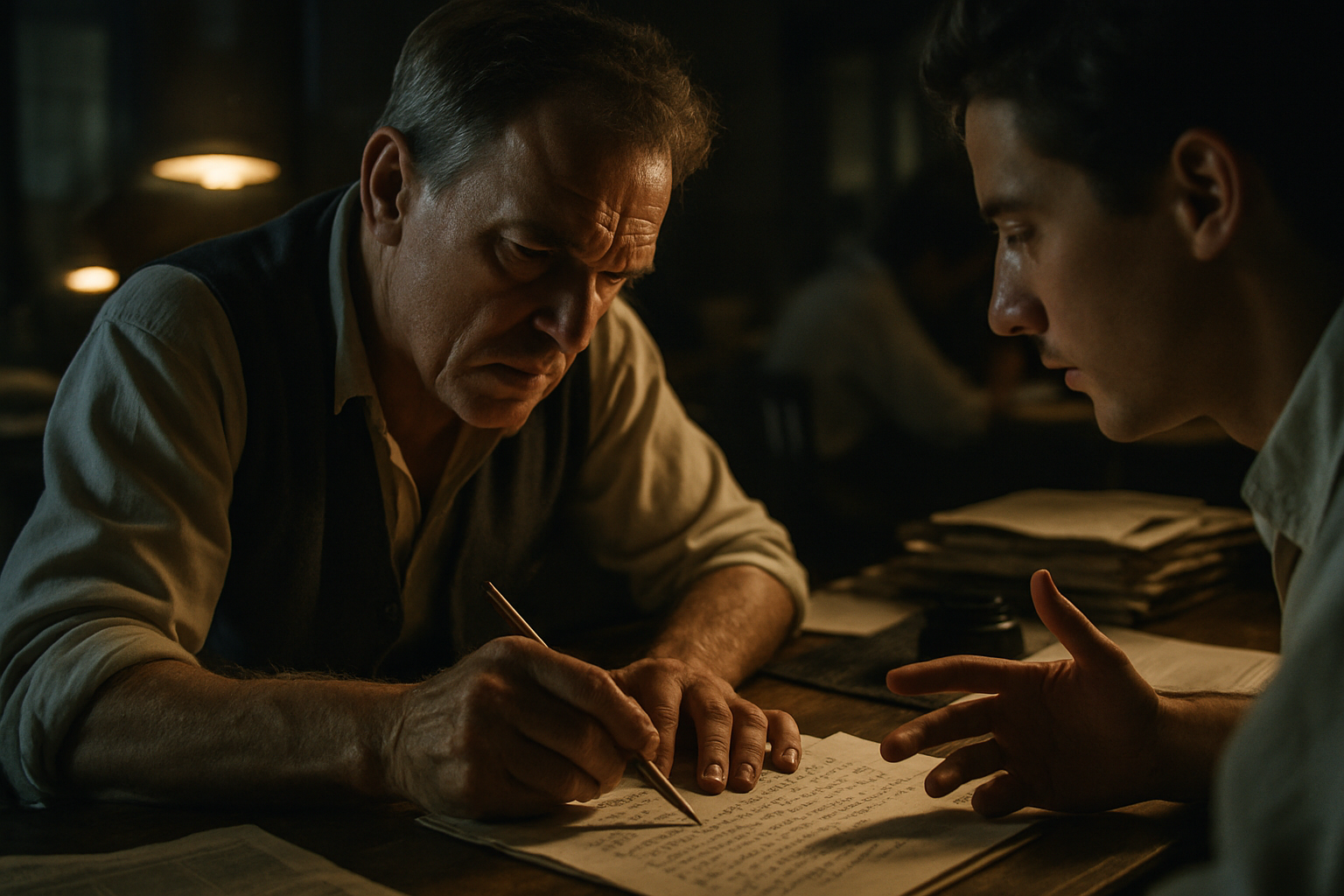
This specific passage appeared in the second chapter of Ireland’s book. The author perfectly captured the demanding, visionary tone of his eccentric employer. Consequently, this single paragraph became a legendary blueprint for effective mass communication.
The Historical Context of the Interview
During this period, the famous publisher suffered from severe health problems. Total blindness forced him to rely heavily on companion-secretaries. He placed a vague advertisement seeking a highly capable assistant for an unnamed gentleman. Ireland answered this mysterious ad and survived a grueling, multi-part interview process. Eventually, he earned a face-to-face meeting with the ailing genius. They immediately began discussing the core philosophy of mass-market journalism. The publisher understood the chaotic, fast-paced lives of his working-class readers. Consequently, he realized that dense, academic writing would fail to engage them completely.
He needed a dynamic style that grabbed attention and refused to let go. Thus, he articulated this brilliant, multi-layered framework for effective communication. . The interview itself served as a test of Ireland’s intellectual agility. The publisher constantly interrupted him, demanding sharper answers and clearer descriptions. This intense environment perfectly mirrored the demands of a bustling city newsroom. Therefore, the quotation emerged from a deeply practical need to communicate efficiently.
How the Quote Evolved Over Time
The quotation quickly gained traction within the publishing industry. In January 1915, The American Printer magazine reviewed Ireland’s memoir. They reprinted the entire passage detailing the publisher’s editorial philosophy. . As a result, the advice reached a much broader audience of commercial writers and editors. Later, in 1920, publishers released Ireland’s book under a brand new title. They called it An Adventure with a Genius: Recollections of Joseph Pulitzer. Naturally, this reprint introduced the famous writing maxim to a fresh generation.
The core message remained entirely intact during these early decades. Writers everywhere recognized the undeniable brilliance of the five-part formula. Briefly, clearly, forcibly, picturesquely, and accurately became the ultimate editorial checklist.
Editors began pasting these words above their desks. Journalism professors started reciting the mantra to their eager young students. Consequently, the standard for American news writing shifted dramatically toward this accessible style.
Variations and Modern Misattributions
Over the decades, compilers inevitably began shortening the original text. For example, Lloyd Cory published a condensed version in his 1977 collection Quote Unquote. . He removed the opening remarks about The New York World entirely. Furthermore, he stripped out the specific reference to forceful writing. This streamlined version simply focused on brevity, clarity, picturesque details, and accuracy. Subsequently, Leonard Safir and William Safire included this exact shortened version in their 1982 book Good Advice. They explicitly credited the famous publisher for this modified text.
Today, people frequently share this truncated variation across social media platforms. They often present it as a direct, standalone quote rather than an excerpt. Unfortunately, removing the word “forcibly” slightly dilutes the original aggressive energy of the advice. The publisher wanted his writers to strike the reader with undeniable impact. Nevertheless, even the shortened version provides incredibly valuable guidance for modern writers. The evolution of the quote simply proves its enduring, adaptable nature.
The Cultural Impact on Modern Journalism
This editorial philosophy fundamentally shaped modern news writing. Before the twentieth century, newspapers often featured dense, sprawling paragraphs. Writers prioritized formal rhetoric over accessible communication. However, this specific maxim championed the needs of the everyday reader. Consequently, newsrooms began demanding punchy, vivid, and highly accurate reporting. The focus shifted entirely toward reader comprehension and retention. If a million people buy a paper, the editors must serve those million minds effectively. Therefore, writers learned to paint pictures with their words while maintaining strict factual accuracy.
This approach revolutionized how reporters covered politics, crime, and human interest stories. Ultimately, it democratized information by making complex issues understandable to the general public.
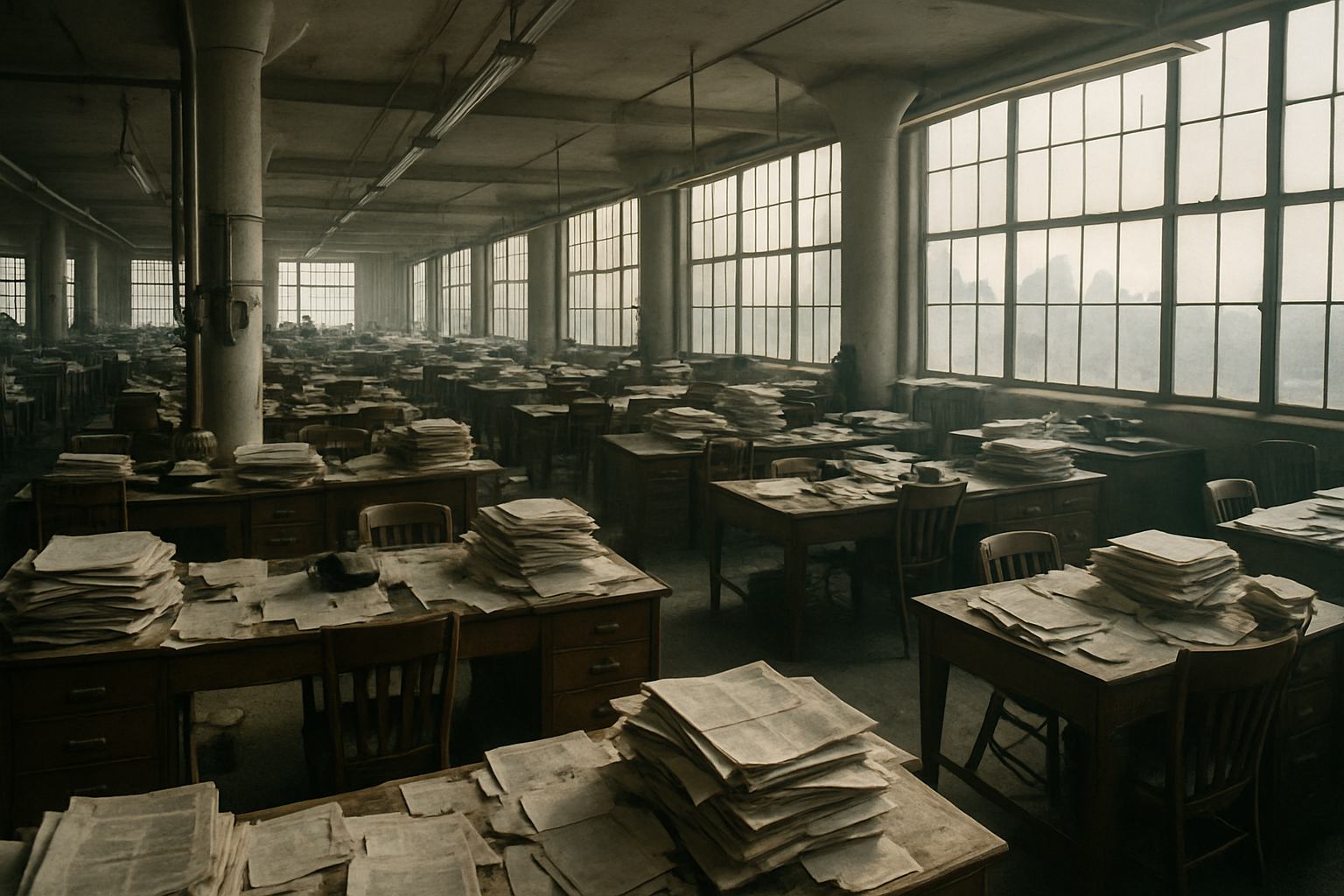
The working class finally gained access to crucial civic information in an engaging format. As a result, newspaper circulation skyrocketed during this era. The commitment to clear, picturesque writing helped build massive media empires.
The Author’s Life and Uncompromising Views
The publisher behind this quote lived an incredibly intense life. He immigrated to the United States and built a massive media empire from scratch. He revolutionized the newspaper industry through bold investigative journalism and sensational storytelling. . However, he also maintained terrifyingly high standards for his staff. His failing eyesight only amplified his obsession with precise, evocative language. Because he experienced the world primarily through spoken words in his later years, every syllable mattered.
He required his secretaries to read to him constantly. Consequently, he instantly detected lazy writing, vague descriptions, or factual errors. This unique personal circumstance undoubtedly influenced his demand for picturesque and accurate prose. He literally needed writers to paint images for his unseeing eyes. Furthermore, his nervous condition made him extremely sensitive to noise and inefficiency. Therefore, he demanded brevity to save time and mental energy. His physical limitations directly shaped his brilliant editorial philosophy.
The Importance of Writing Picturesquely
Many writers easily grasp the concepts of brevity and clarity. Source However, the demand to write “picturesquely” often confuses modern content creators. What does it actually mean to write picturesquely in a nonfiction context? It means using concrete nouns and active verbs to create mental images. Instead of saying the economy is bad, you describe a closed factory. You must show the reader the truth rather than simply telling them about it. .
This specific requirement separates adequate reporting from truly memorable journalism. When you write picturesquely, you bypass the logical brain and strike the imagination directly. The publisher knew that facts alone rarely change minds. People need a vivid scene to anchor the information in their memory. Therefore, mastering the picturesque element is the ultimate secret to persuasive writing.

Breaking Down the Remaining Pillars
We must also analyze the other specific adverbs used in this famous quotation. First, writers must present information briefly so the audience will actually read it. Long, rambling introductions immediately chase busy readers away. Second, we must write clearly so the audience understands the core message without confusion. Ambiguity destroys trust and frustrates the consumer. Third, we must write forcibly to ensure the audience appreciates the importance of the topic. Weak, passive language fails to inspire any emotional reaction.
Finally, we must write accurately so the audience receives wise guidance. Without accuracy, the other four traits simply create highly engaging lies. Together, these five pillars form a structural masterpiece of communication theory. If a writer removes even one pillar, the entire message collapses. The structure requires brevity, clarity, force, imagery, and truth to function properly. Therefore, every writer should memorize this precise combination of skills.
The Reliability of the Narrator
We must also consider the source of this legendary quotation. Source Joseph Pulitzer never wrote these exact words down himself. Instead, Alleyne Ireland recorded them from memory four years after the actual interview. . Therefore, we must ask whether these are the exact words of the publisher. Did Ireland polish the phrasing to make it sound more poetic? Memory is notoriously unreliable, especially regarding long, complex sentences.
However, the sentiment perfectly aligns with the publisher’s well-documented editorial standards. Other employees frequently reported similar demands for brevity, clarity, and accuracy. Furthermore, Ireland possessed a highly trained mind and worked as a professional secretary. His job literally required him to remember and process complex information accurately. Consequently, historians generally accept the quotation as a highly accurate representation of the publisher’s philosophy. Even if slightly paraphrased, the brilliance of the underlying advice remains completely intact.
Modern Usage and Content Creation
Today, this century-old advice remains perfectly relevant for digital content creators. We live in an era of infinite distraction and tiny attention spans. Therefore, writers must still put their message before the audience briefly. Otherwise, readers will simply scroll away to the next trending video. Furthermore, we must write clearly so that algorithms and humans alike understand the core message. We must write forcibly to cut through the deafening digital noise.
We must write picturesquely so our content survives in the audience’s memory. Finally, we must write accurately to build trust in an age of rampant misinformation. Ultimately, the medium has changed dramatically, but human psychology remains exactly the same. We still crave clear, vivid, and truthful stories. Content marketers, bloggers, and copywriters should all memorize this timeless framework. It provides a foolproof method for capturing and holding human attention.
Applying the Maxim to Business Writing
Corporate communication desperately needs this specific editorial philosophy right now. Business leaders frequently bury their main points in dense, jargon-filled emails. Consequently, employees waste countless hours trying to decipher vague instructions. If managers adopted this five-part framework, corporate efficiency would skyrocket immediately. They must state their requests briefly to respect their colleagues’ time. They must explain projects clearly to prevent costly misunderstandings.
Furthermore, leaders must communicate forcibly to inspire action and drive results. Source They should use picturesque examples to make abstract corporate goals feel real. Above all, they must share data accurately to maintain credibility with their teams. . This quotation is not just for journalists or novelists. It serves as a masterclass in effective leadership communication. Every professional can benefit from treating their audience with this level of respect.
The Enduring Legacy of the Quote
In conclusion, this powerful quotation survives because it perfectly captures the essence of great writing. Alleyne Ireland did the literary world a massive favor by recording his 1910 job interview. While we must trust Ireland’s memory of the exact phrasing, the sentiment rings universally true. The famous publisher understood that communication is an act of service to the reader. We do not write simply to express our own internal thoughts.
Instead, we write to inform, engage, and guide our audience through a chaotic world. Therefore, the next time you sit down to draft an article, remember this timeless checklist. Briefly, clearly, forcibly, picturesquely, and accurately. If you hit those five marks consistently, your readers will always reward you with their attention. You will transform complex truths into unforgettable stories.