> “Reproductive choice has to be straightened out. There will never be a woman of means without choice anymore. That just seems to me so obvious. The states that changed their abortion laws before Roe are not going to change back. So we have a policy that only affects poor women, and it can never be otherwise.”
Ruth Bader Ginsburg remains a defining figure in American law. Her work on gender equality transformed the legal landscape. However, her views on *Roe v. Wade* often surprised her supporters. She supported abortion rights but criticized the court’s specific legal reasoning in that landmark case. This famous “reproductive choice has to be straightened” quote perfectly encapsulates her pragmatic, class-conscious perspective on reproductive justice. It highlights a fundamental truth about access to healthcare in America. Specifically, she argued that legal restrictions disproportionately harm those with fewer resources.
Indeed, wealthy women have always found ways to access care. They possess the funds to travel. They can pay private physicians for discreet services. In contrast, poor women rely heavily on local clinics and public funding. Therefore, when states restrict abortion, the burden falls almost exclusively on the poor. Ginsburg understood this economic reality deeply. She saw the law not just as abstract theory, but as a practical force in people’s lives. Consequently, her critique focused on the real-world impact of judicial decisions.
This specific quote comes from a notable media appearance. Justice Ginsburg spoke these words during a 2009 interview. Emily Bazelon conducted the interview for *The New York Times Magazine*. The piece, titled “The Place of Women on the Court,” explored Ginsburg’s role as the only woman on the Supreme Court at that time. Understanding the “reproductive choice has to be straightened quote origin” requires knowing this important context.
At the time, the court was shifting rightward. Justice Sandra Day O’Connor had retired, leaving Ginsburg as the sole female justice. During the interview, Bazelon asked Ginsburg about the future of abortion rights. Ginsburg responded with characteristic candor. She did not shy away from the complexities of the issue. Instead, she offered a sober analysis of what would happen if *Roe* were overturned. Her prediction focused on the resilience of state laws and the inevitability of class disparity.
Furthermore, this interview occurred during a period of intense legal debate. Anti-abortion advocates were chipping away at access through state regulations. Meanwhile, reproductive rights groups feared a total reversal of federal protections. Ginsburg used this platform to remind the public of the stakes. She wanted people to understand that overturning *Roe* would not end abortion. It would simply end safe, legal abortion for the poor. This distinction remains crucial to understanding her legal legacy and explains why the “reproductive choice has to be straightened quote origin” matters so much to contemporary debates.
Reproductive Choice Has to Be Straightened Quote Origin
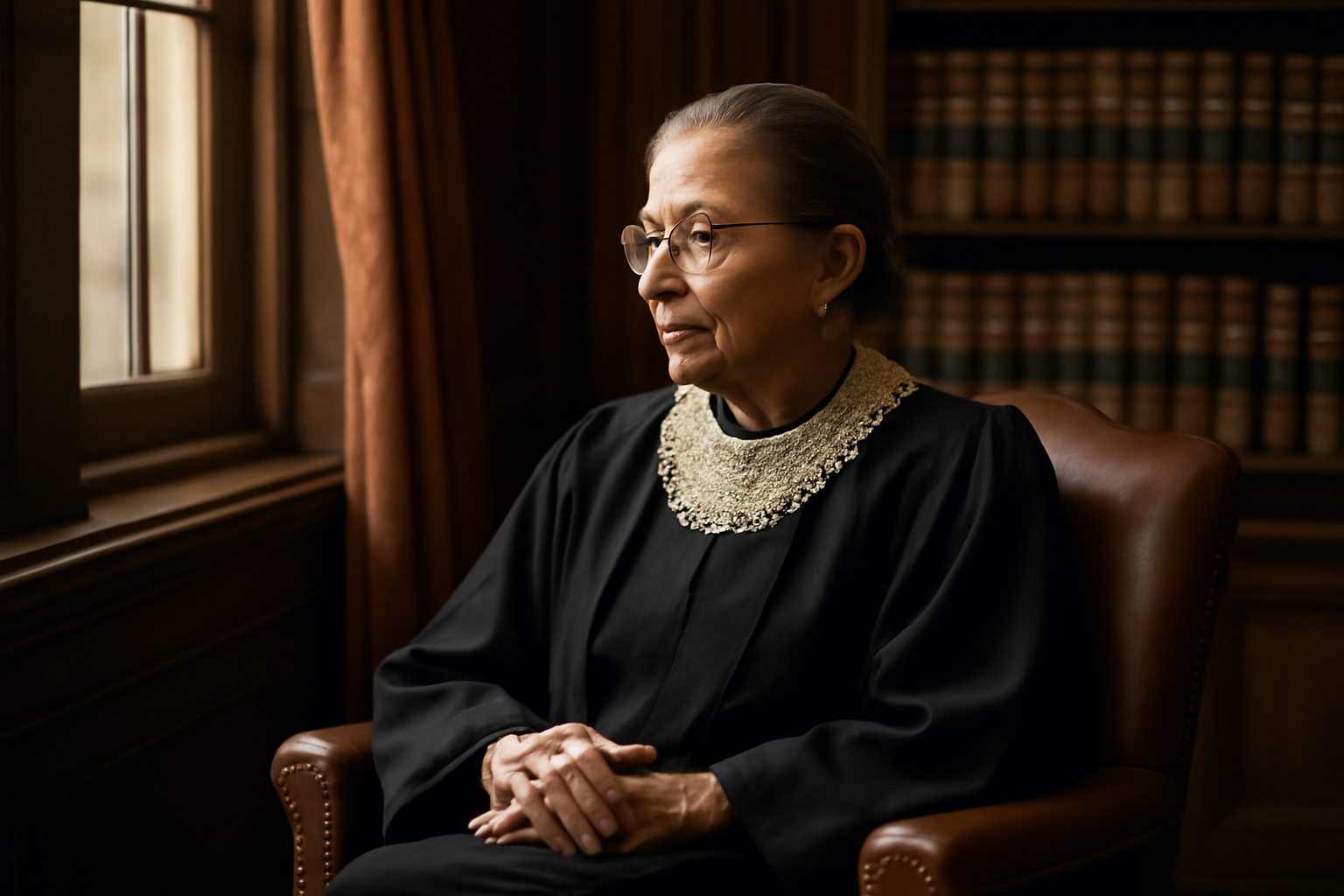
To understand Ginsburg’s quote, we must look at history. Before 1973, abortion laws varied wildly by state. Ginsburg references the states that “changed their abortion laws before *Roe*.” She refers specifically to places like New York, Hawaii, and California. These states had already liberalized their statutes in the late 1960s and early 1970s. Legislatures in these areas responded to growing public demand for reproductive freedom.
For example, New York passed a liberal abortion law in 1970. This happened three years before the Supreme Court decided *Roe*. Women from across the country traveled to New York for care. This historical fact supports Ginsburg’s assertion in her remarks about how “reproductive choice has to be straightened.” She believed these states established a baseline of access that would endure. They had already crossed the political threshold. Therefore, they would not revert to total bans even without a federal mandate.
However, this patchwork system created severe inequality. Women in restrictive states faced dangerous hurdles. If they lacked the money to travel to New York or California, they sought illegal procedures. Ginsburg saw this history clearly. She knew that a return to state-level control meant a return to this two-tiered system. Wealthy women would continue to access the services in liberal states. Poor women in conservative states would suffer. This historical awareness drove her analysis of the law’s practical effects and informed her urgent declaration that “reproductive choice has to be straightened” out.
Many people mistakenly believe Ginsburg loved the *Roe* decision. In reality, she frequently criticized how the Court handled it. She believed the decision moved too fast. She argued that the Court stepped in before the political process could fully mature. In her view, the Court should have allowed state legislatures to continue their trend toward liberalization. She felt this would have built a stronger, more democratic foundation for abortion rights.
Additionally, Ginsburg took issue with the legal basis of the ruling. *Roe* relied on the right to privacy. Ginsburg preferred an argument based on equal protection. She viewed restrictions on abortion as sex discrimination. She argued that forcing women to carry pregnancies impeded their ability to participate equally in society. This equal protection argument centered on women’s autonomy. In contrast, the privacy framework focused more on the doctor-patient relationship.
Moreover, she believed the sweeping nature of *Roe* galvanized the opposition. The ruling invalidated laws in 46 states instantly. This sudden change gave the anti-abortion movement a single target to rally against. Ginsburg often suggested a more incremental approach. She thought the Court should have struck down only the most extreme Texas law involved in the case. This would have left room for further legislative dialogue. Her critique was strategic, not ideological. She wanted reproductive rights to stand on firmer legal ground.
The core of the quote addresses economic privilege. Ginsburg states, “There will never be a woman of means without choice anymore.” This observation cuts through the political rhetoric. It acknowledges that money buys access. Even in the most restrictive eras, wealthy women obtained safe abortions. They utilized private networks. They traveled to jurisdictions where the procedure was legal. Laws rarely constrain the wealthy as effectively as they constrain the poor.
What This Reproductive Choice Quote Really Means
Conversely, “a policy that only affects poor women” highlights the discriminatory nature of bans. When a state shuts down clinics, it creates logistical barriers. These barriers include travel costs, lost wages, and childcare expenses. A wealthy woman can absorb these costs easily. A poor woman often cannot. Therefore, the law functions differently depending on one’s bank account. Ginsburg found this disparity constitutionally suspect.
This perspective aligns with her broader judicial philosophy. Throughout her career, she fought for gender equality in economic terms. She challenged laws that treated men and women differently regarding benefits and employment. She understood that true equality requires economic independence. Thus, restricting reproductive choice limits a woman’s economic potential. It forces poor women into deeper cycles of poverty. Ginsburg’s assessment that “reproductive choice has to be straightened” reminds us that reproductive justice is inextricably linked to economic justice.
Today, Ginsburg’s words feel prophetic. In 2022, the Supreme Court overturned *Roe v. Wade* in *Dobbs v. Jackson*. Consequently, the legal landscape now mirrors the one Ginsburg described. The states that liberalized laws before *Roe*—like New York and California—have strengthened protections. They have not “changed back,” just as she predicted. These states have become havens for abortion access.
Meanwhile, conservative states have enacted strict bans. This has created the exact patchwork system she foresaw. Women in Texas or Mississippi must now travel hundreds of miles for care. Those with resources book flights and hotels. Those without resources face forced birth or unsafe alternatives. The policy now effectively “only affects poor women,” exactly as Ginsburg warned. Her analysis from 2009 describes the current reality of post-*Dobbs* America with chilling accuracy, validating her prescient observations about how “reproductive choice has to be straightened” to address class inequities.
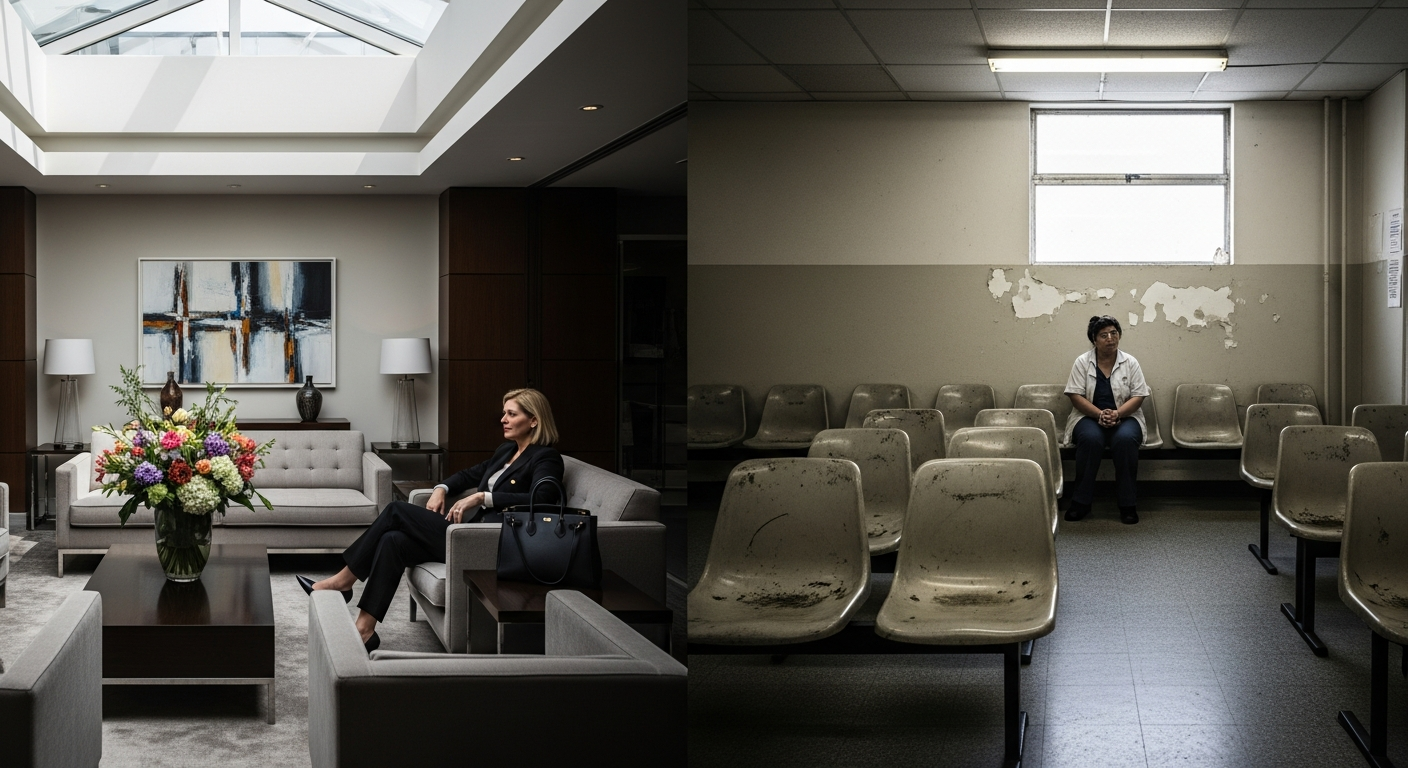
Furthermore, her focus on “women of means” highlights the hypocrisy of the current situation. Politicians who pass these bans often have the resources to circumvent them for their own families. The burden falls on the constituents who lack those options. Activists today frequently cite this quote. They use it to emphasize that the fight is not just about legality. It is about equity. Access that depends on wealth is not true access.
How This Statement Changed the Conversation
While this specific quote is well-documented, confusion sometimes occurs. People often paraphrase Ginsburg’s views on *Roe*. They might claim she “opposed” the ruling without context. This oversimplification distorts her record. She opposed the *reasoning*, not the *result*. It is vital to keep the full quote in mind. The nuance regarding “women of means” is the key component.
Additionally, similar sentiments appear in her other writings. For instance, in her Madison Lecture at NYU in 1993, she expressed similar concerns. She noted that the Court’s heavy-handed intervention in *Roe* might have stalled the legislative momentum. However, the 2009 *New York Times* quote remains the most direct statement on the class dynamics. It effectively condenses complex legal theory into a clear social observation, which is why understanding the “reproductive choice has to be straightened quote origin” is essential for anyone studying her jurisprudence.
Therefore, accurate citation matters. When discussing Ginsburg’s legacy, we must present her views correctly. She was a strategist who played the long game. She worried that a fragile legal victory would lead to the very situation we face today. Recognizing this distinction honors her intellect and her foresight.
Ruth Bader Ginsburg’s quote serves as a powerful reminder of the intersection between law and class. She understood that rights on paper mean little without the ability to exercise them. Her prediction regarding the resilience of state laws proved correct. The states that valued choice in 1970 continue to value it today. The division she foresaw has come to pass. We now live in a country where geography and income determine bodily autonomy.
Ultimately, Ginsburg’s words challenge us to look beyond the courtroom. They compel us to examine the practical application of justice. A system that grants freedom only to the wealthy is inherently unjust. As the debate over reproductive rights continues, her insight remains a guiding light. It demands that we address not just the legality of abortion, but the equity of access. Only then can we achieve the true equality that Ginsburg spent her life championing.
Explore More About Ruth Bader Ginsburg
If you found this quote inspiring, you might enjoy these products related to Ruth Bader Ginsburg:
- The Unemployed Philosophers Guild Ruth Bader Ginsburg Doll – 12″ Soft Stuffed Plush Little Thinker – $24.95
- Bleacher Creatures Ruth Bader Ginsburg 10″ Plush Figure- The RBG Icon for Play or Display – $24.99
- The Unemployed Philosophers Guild Ruth Bader Ginsburg Magnetic Personality – Plush Finger Puppet and Refrigerator Magnet, Approx 4″ Tall – $9.95
- Feminist Wood Plaque Gift, Women Belong In All Places Where Decisions Are Being Made, Plaque with Wooden Stand, Wood Sign Plaque Gift, Ruth Bader Ginsburg, RBG Woman’s Rights B1 – $7.99
- Feminist Wood Plaque Gift – RBG Woman’s Rights, Wood Sign Gift with Stand – $9.99
As an Amazon Associate, we earn from qualifying purchases.