
> “How fortunate I was to be alive and a lawyer when, for the first time in United States history, it became possible to urge, successfully, before legislatures and courts, the equal-citizenship stature of women and men as a fundamental constitutional principle.”
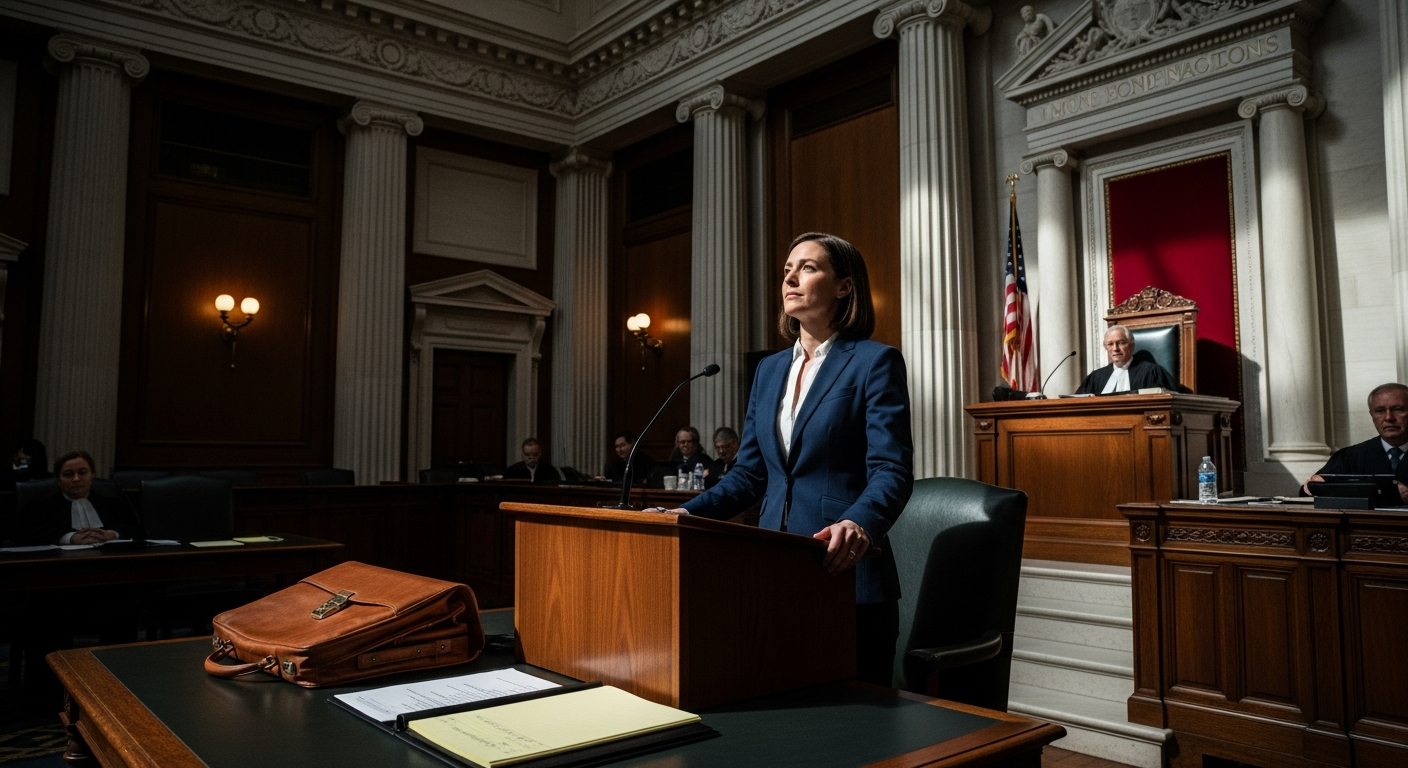
Ruth Bader Ginsburg changed the way American law views gender. She did not merely interpret the law. Instead, she fundamentally reshaped it. This famous quote captures the essence of her career. It reflects her humility and her keen sense of history. Furthermore, it highlights a pivotal moment in American jurisprudence. Before her work, the legal system treated men and women differently by design. Ginsburg saw an opening for change. Consequently, she stepped into that gap with precision and intellect.
She views her timing as “fortunate.” Many observers might call it destiny. However, Ginsburg insists on the element of luck. She became a lawyer exactly when society began to shift. Previously, courts would have dismissed her arguments immediately. But the 1970s offered a new landscape. Therefore, she seized the opportunity to argue for equal citizenship. She recognized that the Constitution must apply equally to all genders. This quote summarizes that massive undertaking in one sentence.
This specific formulation appears in Ginsburg’s later reflections. Source Most notably, readers find it in the preface of her 2016 book, *My Own Words*. In this collection of writings, she looks back on her long career. She uses this sentence to describe the “glory days” of the 1970s. During that decade, she headed the ACLU Women’s Rights Project. .
She frequently expressed similar sentiments in lectures. For instance, she often credited the women’s movement for creating the right climate. She believed that judges do not create social change. Rather, she argued that they respond to it. Thus, she felt lucky to practice law when the movement was active. The quote is not just about her skill. It is about the convergence of her talent and historical timing. She stood ready when the doors finally cracked open.
While the written version is definitive, she spoke these words often. Sometimes, she shortened the phrase. In interviews, she might simply say she was “lucky to be a lawyer” in the 70s. However, the full quote carries more weight. It specifies the goal: “equal-citizenship stature.” This precise legal terminology matters. It elevates the struggle beyond simple fairness. It frames gender equality as a constitutional mandate. Therefore, the long version remains the most powerful iteration of her thought process.
To understand the quote, we must understand the era. Before 1971, the Supreme Court had never struck down a law because of sex discrimination. In fact, the Court routinely upheld laws that treated women differently. Society viewed these laws as protective. Ginsburg, however, viewed them as cages. She saw that “protection” often meant exclusion. For example, laws prevented women from working certain jobs or serving on juries.
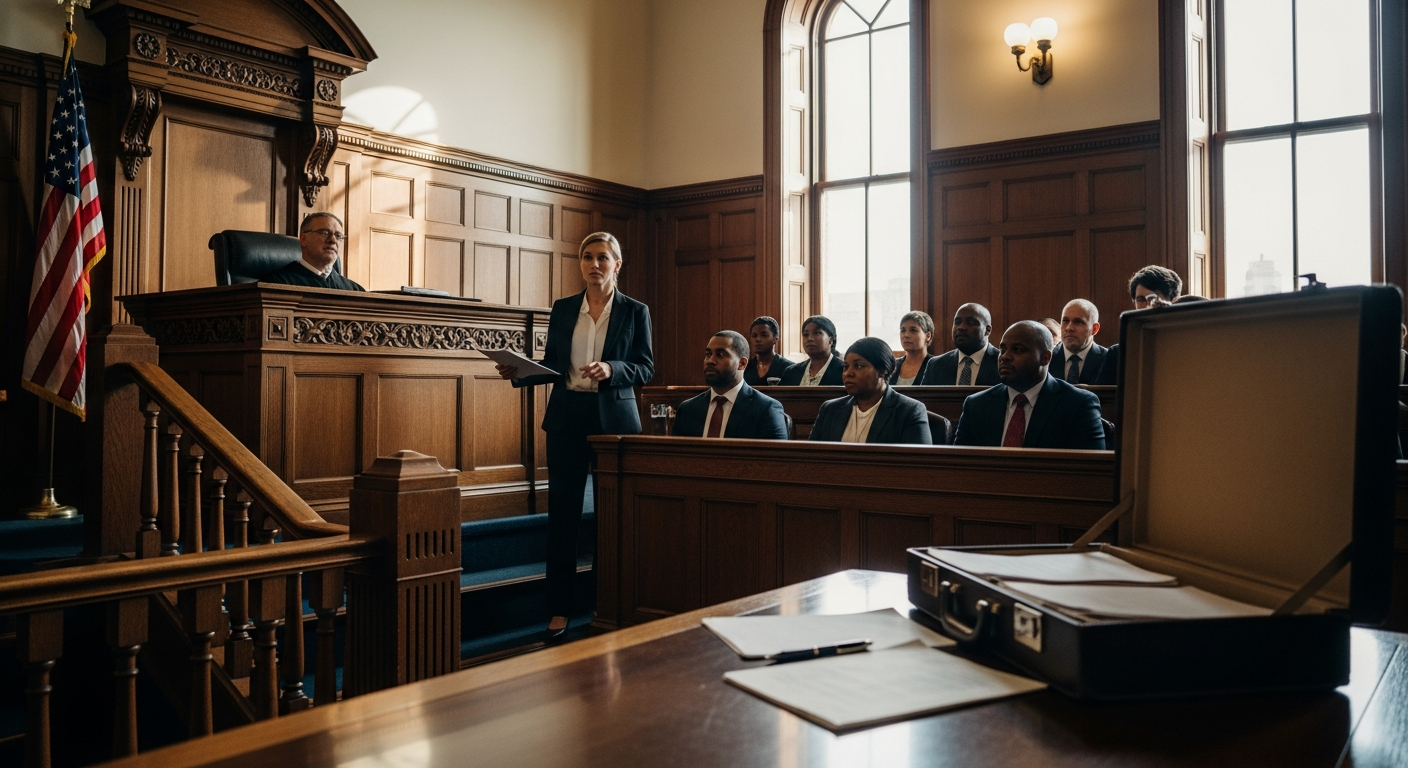
Ginsburg entered this arena with a strategy. She did not attack the system all at once. Instead, she picked specific cases. She often represented male plaintiffs to prove her point. This strategy showed that gender stereotypes harmed everyone. Consequently, she dismantled these laws brick by brick. When she says it became “possible to urge,” she refers to this specific strategic opening. The courts were finally listening. She knew that ten years earlier, her arguments would have failed.
Ginsburg chose her words carefully. She does not just say “equality.” She uses the phrase “equal-citizenship stature.” This concept goes deeper than simple equal rights. It implies that women are full participants in the republic. Previously, the law treated women as second-class citizens. They lived under the cover of their husbands or fathers. Ginsburg challenged this fundamental assumption.
She anchored her arguments in the 14th Amendment. She posited that “equal protection of the laws” applies to women too. This seems obvious now. However, it was a radical idea at the time. By using the term “stature,” she invokes dignity. She argues that the Constitution recognizes the full humanity of both men and women. Thus, the quote celebrates the recognition of women as autonomous actors in American history.
Most people view Ginsburg as a hero. Yet, she viewed herself as lucky. This perspective is crucial to her character. She acknowledged the women who came before her. Suffragists fought for the vote but could not change the legal code. Early female lawyers faced insurmountable barriers. Ginsburg knew she stood on their shoulders. Therefore, she felt gratitude for her specific place in time.
Furthermore, she loved her work. She did not view the litigation as a burden. She saw it as a privilege. To her, shaping the law was the highest calling of a lawyer. She possessed the right skills for the moment. Her precise, analytical mind fit the needs of the 1970s Supreme Court. Consequently, she felt a deep sense of professional satisfaction. She was exactly where she needed to be.
The quote highlights a historical singularity. Ginsburg notes that this was the “first time.” This phrase underscores the magnitude of the shift. For two centuries, American law ignored gender equality. Then, within a single decade, everything changed. Ginsburg was the architect of that change. However, she frames it as a collective historical event. She witnessed the turning of the tide. She participated in a unique constitutional moment that can never happen again.
Today, this quote serves as a rallying cry. It reminds modern lawyers of their power. It also serves as a history lesson. We often take gender equality for granted. This quote reminds us that it is a recent development. It has existed for less than a lifetime. Therefore, the quote acts as a warning against complacency. It suggests that rights are hard-won.
Legal scholars cite this passage to explain Ginsburg’s philosophy. It appears in textbooks and biographies. It summarizes her transition from advocate to Justice. She spent her early career urging courts to change. Later, she sat on the highest court to protect those changes. The quote bridges these two phases of her life. It explains the motivation behind her relentless work ethic.
Activists use this quote to find hope. When progress seems slow, Ginsburg’s words offer perspective. She reminds us that change is possible. However, she also implies that change requires skilled advocacy. It does not happen by magic. It happens because lawyers “urge” it successfully. Thus, the quote inspires action.
Furthermore, it emphasizes the role of institutions. Ginsburg believed in the power of “legislatures and courts.” She did not advocate for revolution outside the law. She believed in using the Constitution to fix the system. Today, this message resonates with institutionalists. It argues that the system can correct itself if we push it. Consequently, law students often look to this quote for motivation.
Ruth Bader Ginsburg defined an era of American law. This quote perfectly encapsulates her contribution. It combines her professional pride with her historical awareness. She saw a broken system. Then, she used her intellect to fix it. She felt lucky to have the chance. However, the country was the lucky one. We benefited from her presence at that specific moment. Her words remind us that the fight for equality is a noble profession. Indeed, establishing “equal-citizenship stature” remains a fundamental constitutional principle worth defending.
Explore More About Ruth Bader Ginsburg
If you found this quote inspiring, you might enjoy these products related to Ruth Bader Ginsburg:
- The Unemployed Philosophers Guild Ruth Bader Ginsburg Doll – 12″ Soft Stuffed Plush Little Thinker – $24.95
- Bleacher Creatures Ruth Bader Ginsburg 10″ Plush Figure- The RBG Icon for Play or Display – $24.99
- The Unemployed Philosophers Guild Ruth Bader Ginsburg Magnetic Personality – Plush Finger Puppet and Refrigerator Magnet, Approx 4″ Tall – $9.95
- Feminist Wood Plaque Gift, Women Belong In All Places Where Decisions Are Being Made, Plaque with Wooden Stand, Wood Sign Plaque Gift, Ruth Bader Ginsburg, RBG Woman’s Rights B1 – $7.99
- Feminist Wood Plaque Gift – RBG Woman’s Rights, Wood Sign Gift with Stand – $9.99
As an Amazon Associate, we earn from qualifying purchases.