
> “In 2015, an opera opened about me and Justice Antonin Scalia. It’s called ‘Scalia/Ginsburg.’ The composer, Derrick Wang, has degrees in music from Harvard and Yale. Enrolled in law school, he was reading dueling opinions by me and Justice Scalia and decided he could compose an appealing comic opera from them.”
>
> — Ruth Bader Ginsburg
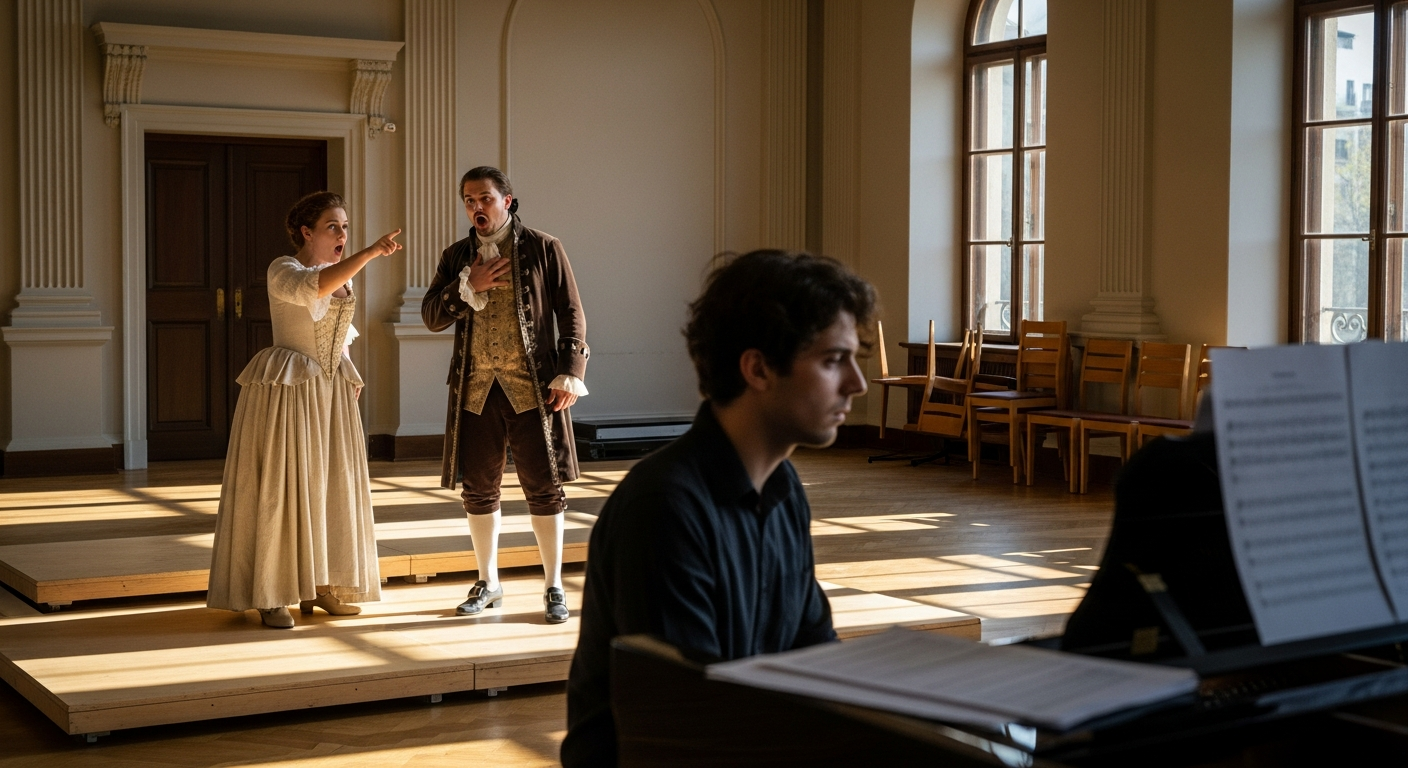
Ruth Bader Ginsburg spoke these words with evident pride and amusement. The late Supreme Court Justice reflected on an unusual artistic tribute. An opera celebrating her unlikely friendship with conservative colleague Antonin Scalia had premiered. This quote captures something remarkable about American jurisprudence. Two justices with opposing philosophies maintained deep mutual respect.
Derrick Wang created something unprecedented in 2015. Source The young composer attended law school while pursuing his musical passions. He studied dueling Supreme Court opinions as part of his coursework. However, instead of seeing dry legal arguments, Wang discovered dramatic potential.
The contrasting judicial philosophies fascinated him. Scalia championed originalism and textualism. Meanwhile, Ginsburg advocated for a living Constitution approach. Their written disagreements contained passion, wit, and intellectual rigor. Wang recognized these elements could translate beautifully to opera.
Moreover, their personal friendship added another layer. The two justices disagreed professionally but shared genuine affection. They attended operas together regularly. Their families celebrated New Year’s Eve as a tradition. This juxtaposition of conflict and camaraderie provided perfect operatic material.
Ginsburg discussed the opera in various interviews and public appearances. She spoke about it with evident delight throughout 2015 and beyond. The Justice attended the premiere performance herself. Subsequently, she became an enthusiastic ambassador for the production.
She referenced Wang’s educational background deliberately in her remarks. His Harvard and Yale music degrees established credibility. Additionally, his law school enrollment explained how he discovered the source material. Ginsburg wanted audiences to understand this wasn’t a novelty piece. Instead, a serious artist with legal knowledge created it.
The Justice repeated this quote in multiple settings. She shared it during speeches at universities. Furthermore, she mentioned it in media interviews. Each retelling emphasized her appreciation for the tribute. Clearly, the opera meant something special to her.

Ginsburg and Scalia served together on the Supreme Court for decades. Source Their judicial philosophies couldn’t have differed more dramatically. Yet their friendship transcended ideological divisions.
They first met in the 1980s. Both served on the D.C. Circuit Court of Appeals. Their families bonded over shared cultural interests. Opera particularly united them. They attended performances together regularly throughout their careers.
This friendship developed during increasingly partisan times. American politics grew more polarized each decade. However, Ginsburg and Scalia demonstrated civility remained possible. They proved intellectual opponents could maintain personal warmth.
Their relationship offered lessons about democracy itself. Disagreement doesn’t require personal animosity. Furthermore, engaging with opposing viewpoints strengthens arguments. Both justices credited their debates with sharpening their thinking.
Wang drew directly from Supreme Court opinions for his libretto. He extracted actual language from their written decisions. Consequently, the opera features real legal arguments set to music. This approach created authenticity rarely seen in biographical works.
The composer structured the opera around their contrasting judicial philosophies. Scalia’s arias emphasize constitutional originalism. Meanwhile, Ginsburg’s songs advocate for evolving interpretation. Their musical debates mirror their real courtroom disagreements.
However, Wang also highlighted their friendship. Lighter scenes show them attending opera together. These moments provide emotional balance. The production celebrates both conflict and connection.
The premiere took place in Virginia. Source Critics praised Wang’s innovative approach. Subsequently, other companies produced the work. The opera found audiences nationwide.
Ginsburg told this story consistently across appearances. The core facts remained unchanged. However, she occasionally added different details depending on context. Sometimes she emphasized Wang’s musical credentials more. Other times she focused on the legal content.
Media coverage amplified the story significantly. Journalists found the concept irresistible. An opera about Supreme Court justices seemed almost absurd. Yet the genuine friendship made it compelling. News outlets covered the premiere extensively.
Some retellings simplified the narrative. They focused primarily on the friendship angle. Nevertheless, the opera itself contains substantial legal content. Wang didn’t create mere entertainment. He crafted serious musical commentary on constitutional interpretation.
Public fascination grew with each retelling. People loved the human dimension. The story reminded Americans that civility transcends politics. Furthermore, it showed intellectual life enriches personal relationships.
This quote reveals Ginsburg’s values profoundly. She appreciated artistic excellence. Moreover, she valued intellectual engagement across ideological lines. The opera embodied both principles simultaneously.
Her pride in the tribute is palpable. She mentions Wang’s impressive credentials first. This establishes the opera’s artistic legitimacy. Then she explains his unique position as law student. This detail shows why he could understand the material.
The quote also demonstrates her sense of humor. An opera about Supreme Court justices sounds absurd initially. However, Ginsburg embraced the unconventional tribute. She recognized the deeper meaning behind it.
Furthermore, the quote promotes civic values. It suggests democracy thrives on respectful disagreement. Scalia and Ginsburg modeled this principle. Their example inspired Wang’s artistic vision.
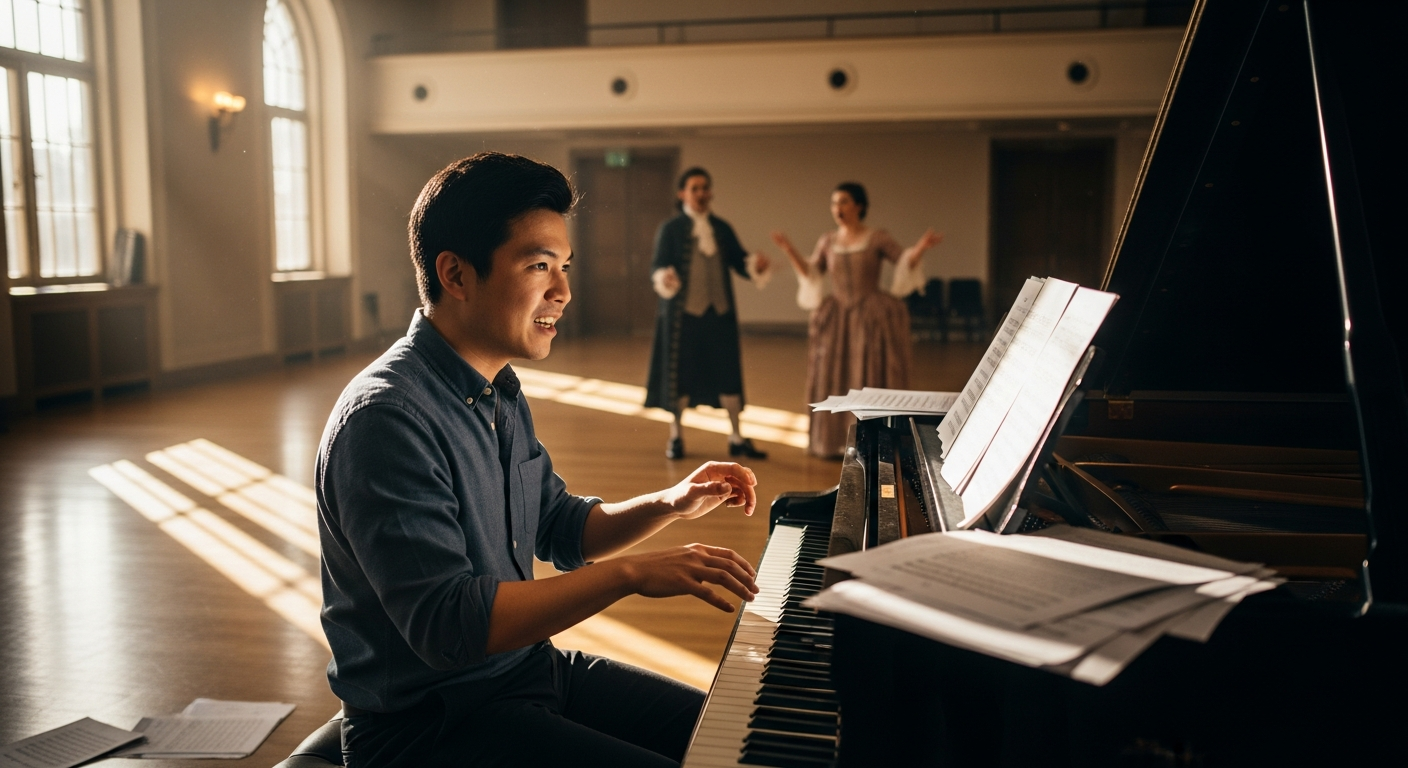
Ginsburg spoke often about Scalia after his death. She called him her “best buddy” on the Court. Additionally, she said he made her a better justice. Their debates forced her to strengthen arguments.
Scalia reciprocated these sentiments during his lifetime. He praised Ginsburg’s intellect and writing ability. Moreover, he enjoyed their friendship immensely. Both justices valued what they shared.
Another famous Ginsburg quote captures their dynamic perfectly. She said Scalia was “a jurist of captivating brilliance and wit.” Furthermore, she noted his “talent to make even the most sober judge laugh.” These words reveal genuine affection.
She also reflected on their opera attendance together. “We were best buddies,” she explained in interviews. The shared cultural experiences cemented their bond. Music and art transcended their legal disagreements.
This quote encapsulates several Ginsburg principles. First, it shows her commitment to intellectual rigor. She respected Scalia’s arguments even when disagreeing. Furthermore, she believed engagement with opposing views strengthened democracy.
Second, it reveals her love of the arts. Opera particularly mattered to her. She attended performances throughout her life. The art form enriched her existence beyond law.
Third, the quote demonstrates her belief in civility. Political opponents can maintain friendships. Indeed, they should. Personal relationships humanize abstract debates.
Finally, it shows her sense of humor. Ginsburg could laugh at herself. An opera featuring her Supreme Court opinions amused rather than offended her. This humility endeared her to millions.
Today, this quote resonates powerfully. American political discourse has grown increasingly toxic. People demonize those with different views. However, Ginsburg and Scalia modeled an alternative.
Their example offers hope for current divisions. Disagreement doesn’t require hatred. Furthermore, friendship across ideological lines remains possible. The opera celebrates this principle through art.
Educators use this story in civics lessons. Students learn about respectful debate. Moreover, they discover that complexity enriches democracy. Simple partisan narratives miss important nuances.
The opera itself continues touring. New audiences discover Wang’s creation regularly. Each performance reinforces the message. Democracy needs both disagreement and mutual respect.
Ginsburg’s quote about the opera endures beyond her lifetime. It captures something essential about American democracy. Our system requires vigorous debate. However, it also needs human connection.
The Scalia/Ginsburg friendship became legendary. Their example inspired countless Americans. People recognized that civility and conviction can coexist. Furthermore, personal warmth enhances rather than undermines principled disagreement.
Wang’s opera preserves this legacy artistically. Future generations will encounter their story through music. The production ensures their example continues inspiring audiences. Art immortalizes what matters most.
Moreover, Ginsburg’s evident pride in the tribute reveals her character. She embraced an unconventional honor enthusiastically. This openness to artistic interpretation showed remarkable humility. Great figures welcome creative engagement with their work.
The quote reminds us that democracy is fundamentally human. Legal arguments matter enormously. However, the people behind those arguments matter too. Ginsburg and Scalia understood this profoundly. Their friendship enriched both their lives and American jurisprudence.
In conclusion, this simple quote opens windows into multiple worlds. It reveals judicial philosophy, personal friendship, and artistic creativity. Furthermore, it offers lessons desperately needed today. We can disagree passionately while respecting deeply. Indeed, democracy depends on exactly this balance.
Explore More About Ruth Bader Ginsburg
If you found this quote inspiring, you might enjoy these products related to Ruth Bader Ginsburg:
- The Unemployed Philosophers Guild Ruth Bader Ginsburg Doll – 12″ Soft Stuffed Plush Little Thinker – $24.95
- Bleacher Creatures Ruth Bader Ginsburg 10″ Plush Figure- The RBG Icon for Play or Display – $24.99
- The Unemployed Philosophers Guild Ruth Bader Ginsburg Magnetic Personality – Plush Finger Puppet and Refrigerator Magnet, Approx 4″ Tall – $9.95
- Feminist Wood Plaque Gift, Women Belong In All Places Where Decisions Are Being Made, Plaque with Wooden Stand, Wood Sign Plaque Gift, Ruth Bader Ginsburg, RBG Woman’s Rights B1 – $7.99
- Feminist Wood Plaque Gift – RBG Woman’s Rights, Wood Sign Gift with Stand – $9.99
As an Amazon Associate, we earn from qualifying purchases.