
> “In the ’50s, too many women, even though they were very smart, they tried to make the man feel that he was brainier. It was a sad thing.”
>
> — Ruth Bader Ginsburg
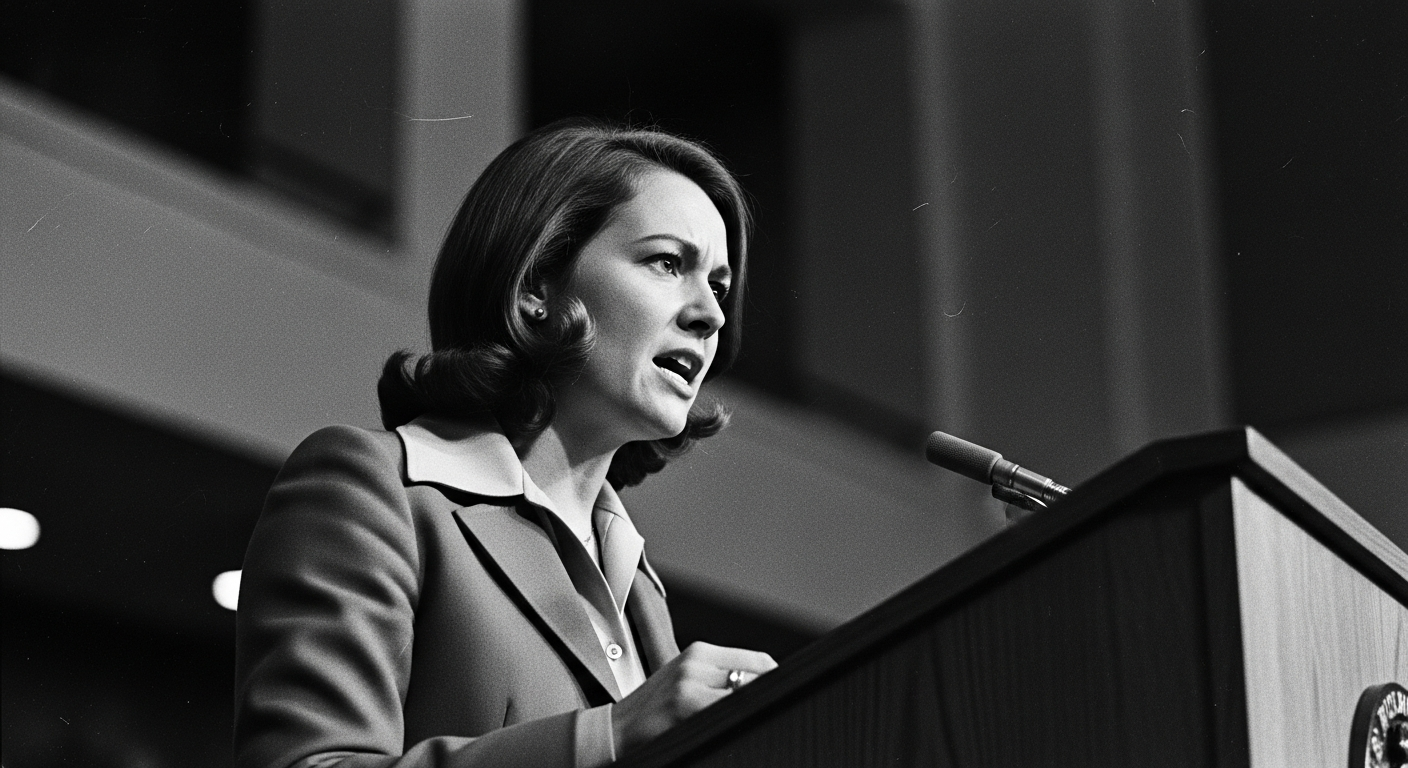
Ruth Bader Ginsburg delivered these powerful words during a reflection on gender dynamics in mid-century America. The quote captures a defining characteristic of her generation. Women frequently downplayed their intelligence to conform to societal expectations. This observation reveals the psychological toll of gender inequality during that era.
The future Supreme Court Justice witnessed this behavior firsthand throughout her formative years. She attended Cornell University in the 1950s, where brilliant women often hid their academic prowess. Many female students deliberately underperformed or deflected credit to male peers. This pattern extended far beyond campus life into professional and domestic spheres.
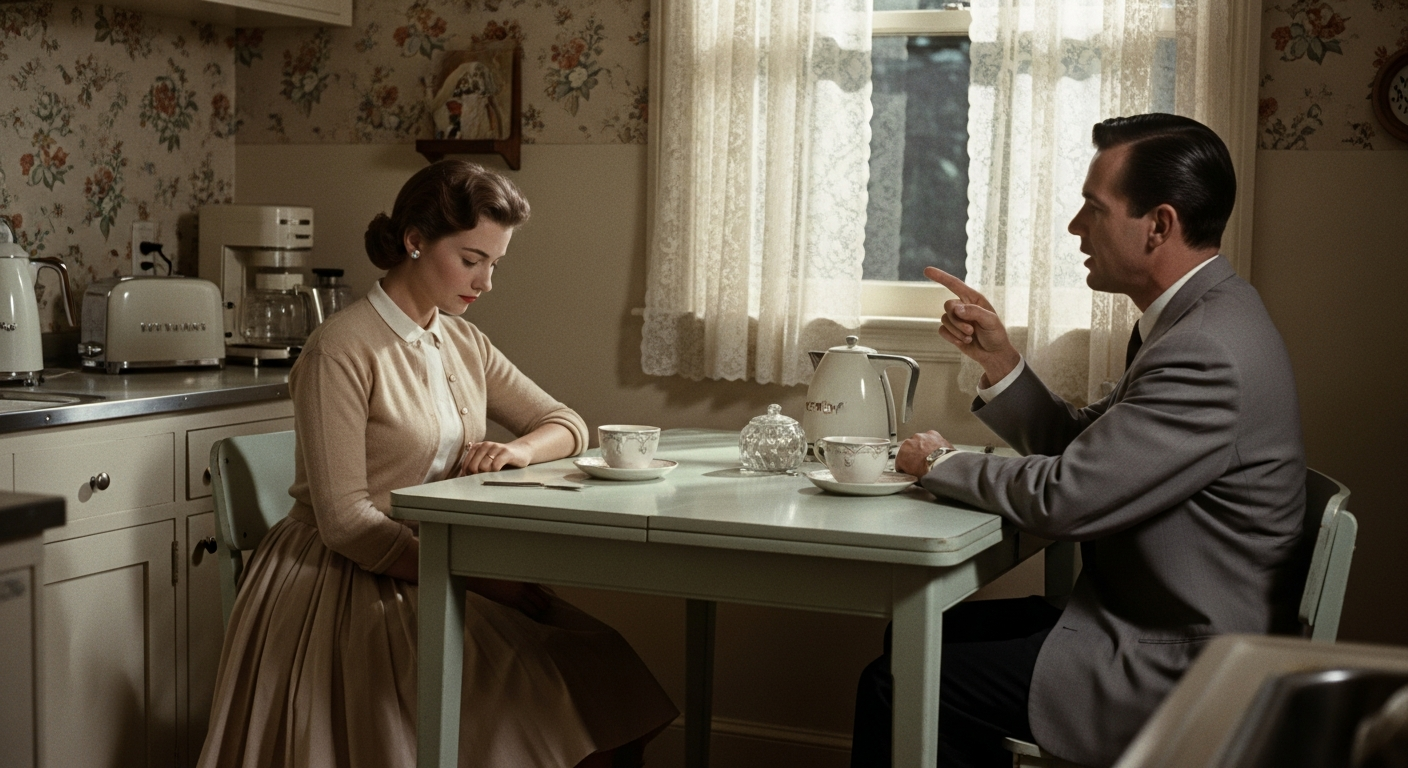
Post-World War II America experienced a dramatic shift in gender expectations. Source Women who had filled factory jobs and professional positions during wartime faced pressure to return home. Society promoted the ideal of the suburban housewife as the pinnacle of female achievement.
Television shows, advertisements, and popular media reinforced these narrow roles. Programs depicted women as cheerful homemakers who deferred to male authority. Educational institutions steered women toward traditionally feminine fields like teaching and nursing. Professional careers in law, medicine, and business remained largely male domains.
Moreover, social etiquette books explicitly instructed women to avoid appearing too intelligent. Dating guides warned that men felt threatened by smart women. Women received advice to let men win arguments and take credit for ideas. This strategic self-diminishment became an unwritten survival strategy.
Ginsburg made this statement during various interviews and speeches throughout her career. She frequently reflected on her experiences at Harvard Law School in the 1950s. The quote appears in multiple biographical accounts and documentary films about her life. However, she articulated these thoughts most prominently in later decades when discussing her advocacy work.
During her time at Harvard, Ginsburg was one of only nine women in a class of over 500 students. The dean famously asked each female student to justify taking a spot that could have gone to a man. This hostile environment exemplified the challenges women faced in pursuing professional ambitions.
Furthermore, Ginsburg witnessed her female classmates navigate impossible social expectations. They needed to demonstrate competence without appearing threatening to male colleagues. Many adopted deferential behavior patterns to avoid backlash. This delicate balance required constant emotional labor and self-monitoring.
This quote gained prominence as Ginsburg’s public profile grew. Initially, she shared these observations in academic and legal circles. As her work on gender equality cases attracted attention, journalists began highlighting her personal experiences. The quote resonated with women who recognized similar patterns in their own lives.
Consequently, the statement became a touchstone for discussions about internalized sexism. Scholars and activists referenced it when examining how oppression operates through self-limitation. The quote illustrated that gender inequality wasn’t merely about external barriers. It also involved psychological adaptations that women made to survive in patriarchal systems.
Additionally, the quote found new relevance during debates about workplace dynamics and imposter syndrome. Modern researchers connected Ginsburg’s observation to contemporary phenomena where women undervalue their contributions. The 1950s behavior patterns she described continued manifesting in different forms decades later.
The quote sometimes appears with slight wording variations across different sources. Some versions say “made themselves seem less smart” instead of “tried to make the man feel brainier.” Other accounts paraphrase the sentiment rather than using direct quotation. These variations emerged as the quote circulated through secondary sources.
However, the core message remains consistent across versions. Ginsburg described women deliberately concealing their intelligence to accommodate male egos. The specific phrasing matters less than the underlying observation about gendered power dynamics. Nevertheless, accurate attribution helps preserve the historical record.
Some sources incorrectly attribute similar sentiments to other feminist figures. The specific language Ginsburg used reflects her legal training and precise communication style. Her framing emphasizes the tragedy of wasted potential rather than simply criticizing men. This nuanced perspective distinguishes her statement from more general feminist critiques.
This observation became part of Ginsburg’s larger narrative about gender equality. It demonstrated that legal discrimination had psychological dimensions beyond formal barriers. Women internalized oppressive norms and policed their own behavior accordingly. Therefore, achieving equality required changing both laws and cultural attitudes.
The quote also validated experiences that many women had felt but struggled to articulate. Ginsburg’s willingness to name this pattern gave others permission to discuss it openly. Women began recognizing how they had been taught to make themselves smaller. This awareness became a crucial step toward challenging those expectations.
Indeed, the statement influenced how subsequent generations understood historical gender dynamics. It provided concrete evidence that sexism operated through subtle social pressures, not just overt discrimination. Educators incorporated this perspective into curricula about mid-century American culture. The quote helped students grasp the lived reality behind statistical data about women’s status.

Ginsburg made numerous other statements about gender inequality throughout her career. She famously said, “Women belong in all places where decisions are being made.” Another well-known quote addressed how she wanted to be remembered: “Someone who used whatever talent she had to do her work to the very best of her ability.”
Other feminist thinkers expressed similar ideas about women’s strategic self-limitation. Betty Friedan’s “The Feminine Mystique” explored the psychological costs of 1950s domesticity. Gloria Steinem later wrote about how women learned to prioritize men’s comfort over their own ambitions. These observations formed a chorus of voices documenting gendered socialization patterns.
Furthermore, contemporary writers like Sheryl Sandberg and Chimamanda Ngozi Adichie built upon these insights. They examined how early conditioning affects women’s professional trajectories decades later. The conversation Ginsburg helped initiate continues evolving as each generation confronts new manifestations of old patterns.
This statement reveals Ginsburg’s commitment to human dignity and potential. She viewed the waste of women’s talents as a loss for society, not just individuals. Her legal work consistently emphasized that gender discrimination harmed everyone by limiting the talent pool. Therefore, equality served collective interests rather than being merely a women’s issue.
Moreover, the quote demonstrates her analytical approach to social problems. Ginsburg didn’t simply condemn 1950s sexism; she examined its mechanisms. She understood that oppression operated through internalized beliefs and social expectations. This sophisticated analysis informed her legal strategy of challenging discriminatory laws through carefully selected cases.
Additionally, her use of “sad” rather than “outrageous” or “unjust” shows characteristic restraint. Ginsburg typically employed measured language rather than inflammatory rhetoric. This approach made her arguments more persuasive to skeptical audiences. She built coalitions by appealing to shared values rather than polarizing through anger.
Today, this quote resonates in discussions about workplace gender dynamics. Source Research shows women still speak less in meetings and attribute their ideas to others. Studies document how women face backlash for displaying confidence that men express freely.
Social media amplified awareness of these patterns through movements like #MeToo and discussions of “mansplaining.” Women share stories of being interrupted, having ideas stolen, or feeling pressure to soften their competence. Ginsburg’s observation from the 1950s provides historical context for these ongoing experiences.
Nevertheless, younger generations also challenge the expectation that women must accommodate male insecurity. They question why women should manage men’s feelings rather than simply expressing their abilities. This shift represents progress that Ginsburg’s generation helped enable through their advocacy work.
Furthermore, the quote applies beyond gender to other forms of marginalization. People from various underrepresented groups describe similar pressure to make privileged individuals comfortable. The pattern Ginsburg identified operates across different power dynamics and social contexts.
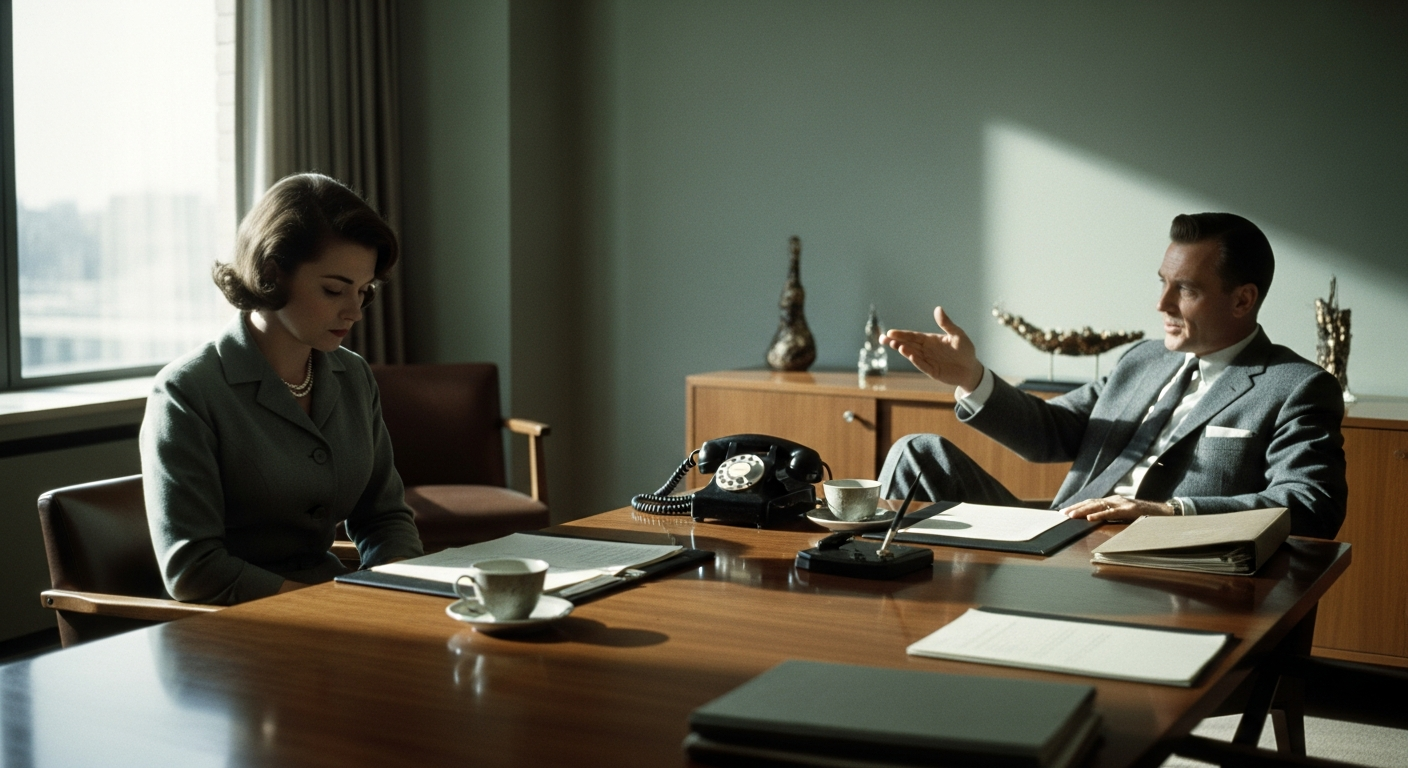
Ginsburg’s observation teaches us to recognize how oppression operates through internalized limitations. External barriers receive more attention, but psychological adaptations can be equally constraining. Understanding this dynamic helps us identify when we’re diminishing ourselves to meet others’ expectations.
Additionally, the quote reminds us that progress requires both legal and cultural change. Laws prohibiting discrimination matter tremendously, but they don’t automatically transform social norms. We must also address the subtle messages that teach people to accept unequal treatment.
The statement also demonstrates the importance of naming problematic patterns. Ginsburg’s willingness to articulate what she observed gave others language for their experiences. This validation enabled collective action to challenge those norms. Speaking truth about power dynamics remains essential for social progress.
Ruth Bader Ginsburg’s reflection on 1950s gender dynamics captures a painful reality of that era. Smart women regularly concealed their intelligence to avoid threatening male egos. This pattern represented a tragic waste of human potential and dignity. Her observation helped subsequent generations understand how oppression operates through psychological mechanisms, not just formal barriers.
The quote remains relevant because similar dynamics persist in modified forms. Women still navigate expectations to be competent but not intimidating, accomplished but not threatening. However, increased awareness of these patterns enables more people to resist them. Ginsburg’s legacy includes not just her legal victories but also her clear-eyed analysis of how inequality functions in everyday life.
Ultimately, this statement reminds us that equality requires more than policy changes. It demands transforming the cultural expectations that teach people to make themselves smaller. By understanding the history Ginsburg described, we can better recognize and challenge these patterns when they appear today. Her words continue inspiring efforts to create a world where everyone can express their full capabilities without apology.
Explore More About Ruth Bader Ginsburg
If you found this quote inspiring, you might enjoy these products related to Ruth Bader Ginsburg:
- The Unemployed Philosophers Guild Ruth Bader Ginsburg Doll – 12″ Soft Stuffed Plush Little Thinker – $24.95
- Bleacher Creatures Ruth Bader Ginsburg 10″ Plush Figure- The RBG Icon for Play or Display – $24.99
- The Unemployed Philosophers Guild Ruth Bader Ginsburg Magnetic Personality – Plush Finger Puppet and Refrigerator Magnet, Approx 4″ Tall – $9.95
- Feminist Wood Plaque Gift, Women Belong In All Places Where Decisions Are Being Made, Plaque with Wooden Stand, Wood Sign Plaque Gift, Ruth Bader Ginsburg, RBG Woman’s Rights B1 – $7.99
- Feminist Wood Plaque Gift – RBG Woman’s Rights, Wood Sign Gift with Stand – $9.99
As an Amazon Associate, we earn from qualifying purchases.