“But only in their dreams can men be truly free. ‘Twas always thus, and always thus will be.”
If you’re interested in learning more about Robin Williams and their impact on history, here are some recommended resources:
As an Amazon Associate, we earn from qualifying purchases.
This line is more than just a memorable piece of dialogue. It is a philosophical touchstone. It invites us to explore where true freedom really lies. Is it an internal state of mind or an external condition? Let’s delve into the meaning behind this iconic quote and its enduring impact.
The Anatomy of a Profound Statement
To fully grasp the quote’s power, we must break it down into its two distinct parts. Each half contributes a crucial layer of meaning, creating a bittersweet and profound observation on the human condition.
“Only in Their Dreams Can Men Be Truly Free”
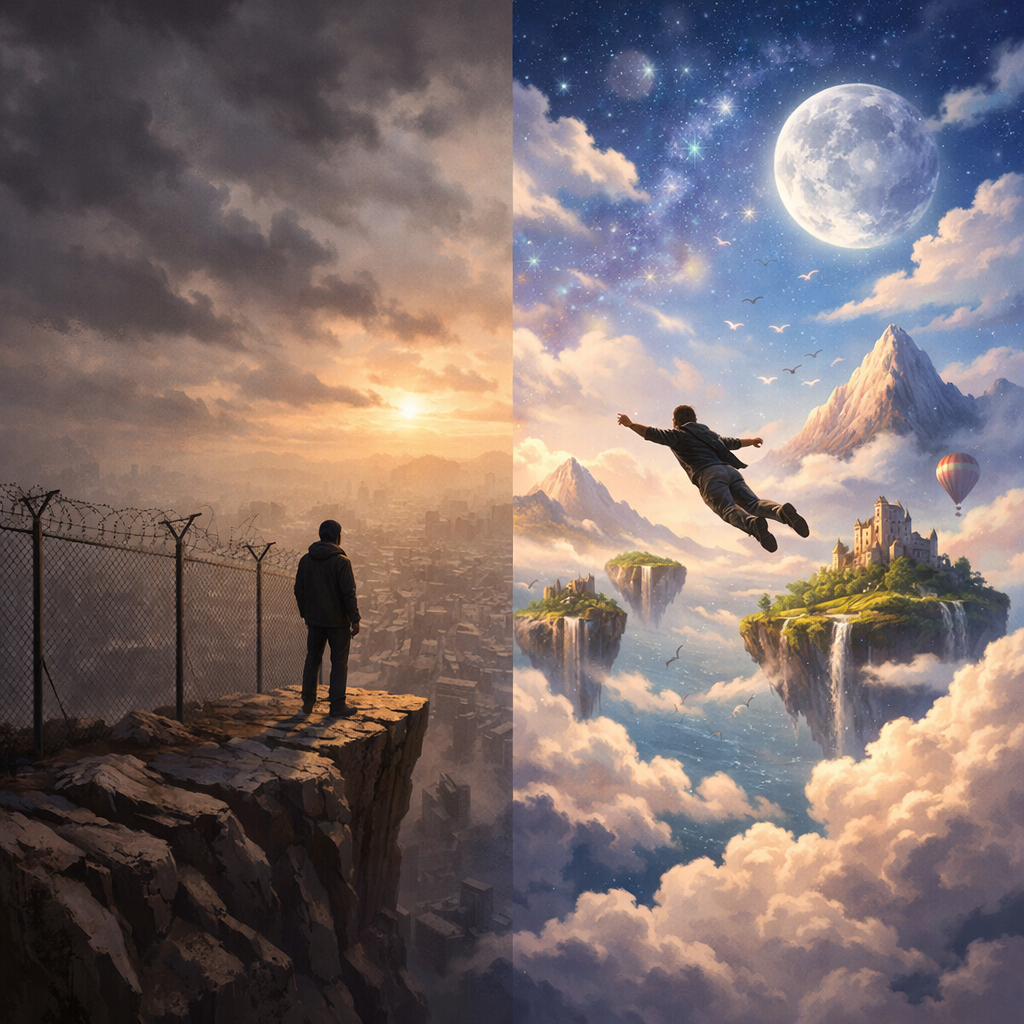
The first clause presents a bold, almost startling, idea. It suggests that the ultimate form of freedom is inaccessible in reality. In our dreams, we escape the laws of physics, the constraints of society, and the limitations of our own bodies. We can fly, create impossible worlds, and express our deepest desires without fear or consequence. This dream-space represents a pure, uninhibited form of existence. Consequently, it is a realm where the self can be completely authentic.
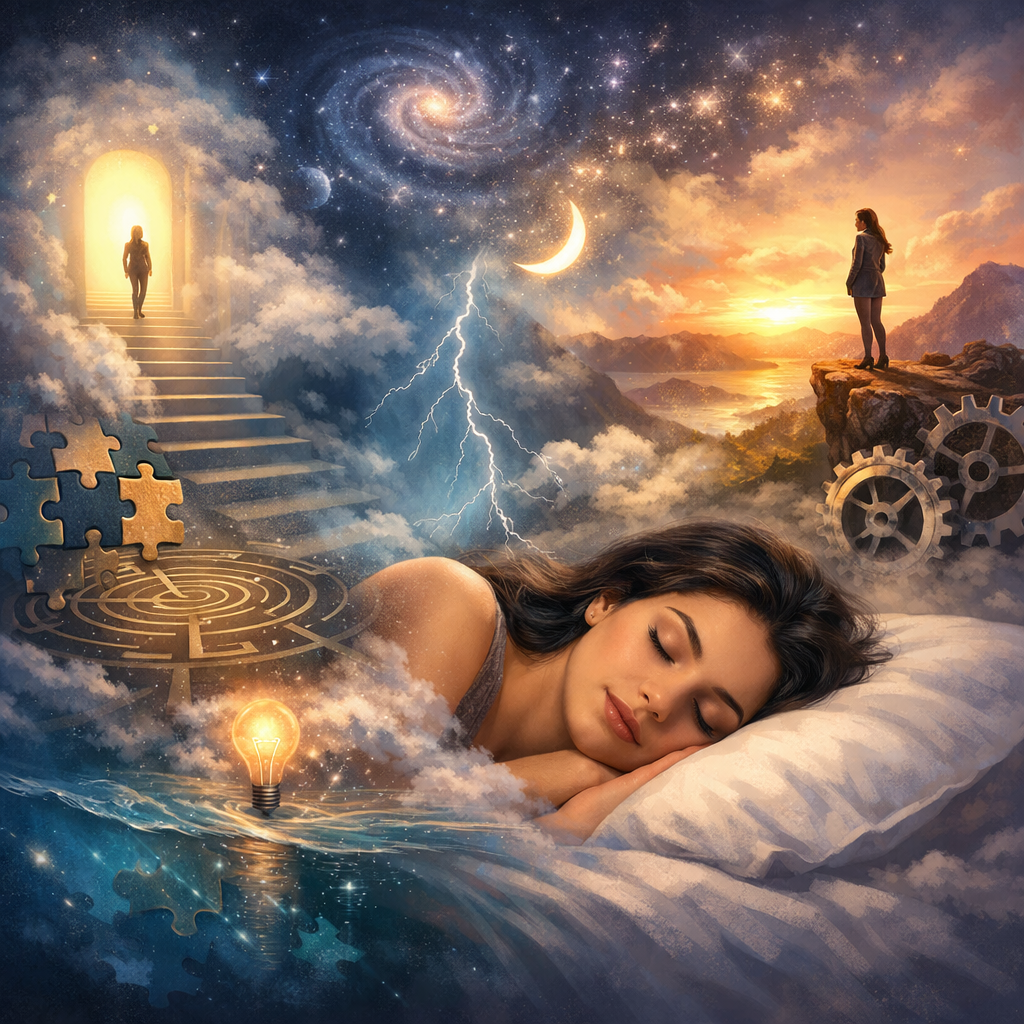
Psychologists have long explored the function of dreams. Source Many theories propose that dreams help us process emotions, solve problems, and confront our subconscious thoughts. . In this context, the freedom Keating speaks of is also a psychological liberation. It is the freedom to explore every corner of our own minds.
“‘Twas Always Thus, and Always Thus Will Be”
The second part of the quote lends it a sense of tragic permanence. The archaic language—”‘Twas always thus”—frames this condition not as a temporary problem but as an eternal aspect of human existence. It implies that for all of history, people have sought refuge in their dreams. Moreover, it suggests that they will continue to do so forever. This transforms the statement from a simple observation into an immutable law of being.
This adds a layer of melancholy to the sentiment. It acknowledges that the struggle between our aspirations and the world’s limitations is a fight we may never fully win in our waking lives. However, it also offers a strange comfort. It validates the feeling of being constrained and reminds us that we are not alone in this universal experience.
A Beacon in the ‘Dead Poets Society’
Context is crucial to understanding the quote’s significance. In Dead Poets Society, John Keating is a beacon of free-thinking in the oppressive environment of Welton Academy. The school prizes conformity, tradition, and discipline above all else. Keating, in contrast, urges his students to “seize the day” and find their own voices. He wants them to live authentic, passionate lives.
He delivers this line during a lesson where he encourages his students to challenge conformity. The quote serves as a poignant acknowledgment of the world they inhabit. Their parents and the school administration impose strict expectations upon them. They dictate their futures, their studies, and even their behaviors. Keating understands that their inner worlds—their dreams of being actors, poets, and lovers—are their only true sanctuaries from this pressure. For example, a recent poll on workplace satisfaction showed that a large number of individuals feel unable to express their true selves, mirroring the students’ struggle.
Therefore, the quote is not a message of defeat. It is a realistic assessment of their situation. Keating empowers his students by validating their inner lives. He gives them permission to cherish the freedom they find in their dreams and imaginations. This, in turn, fuels their courage to push for more freedom in their real lives, even when it comes with great risk.
Bridging Dreams and Waking Life
While the quote emphasizes dreams as the only place for true freedom, it doesn’t advocate for pure escapism. Instead, it highlights the essential role of our imagination as a catalyst for change. Dreams are not just a place to hide; they are a place to cultivate the ideas and courage needed to transform reality. The passions that Neil Perry discovers for acting or that Todd Anderson finds for poetry are born in the free space of their minds.
These internal discoveries eventually demand expression in the real world. The quote, therefore, presents a paradox. To bring a piece of that dream-freedom into our waking lives, we must first recognize and nurture it within ourselves. Our dreams show us what is possible. They provide the blueprint for the life we truly want to live. Subsequently, it is up to us to build it, brick by brick, in the face of external resistance.
Finding a balance is key. Relying solely on dreams can lead to a passive and unfulfilled life. Conversely, ignoring our inner world in favor of cold, hard reality can lead to a life devoid of passion and meaning. The quote encourages us to honor our dreams as the wellspring of our truest selves. It prompts us to use that inner freedom as the fuel for a more authentic and purposeful existence.
In conclusion, this iconic line from Dead Poets Society is a timeless reflection on the human spirit. It beautifully articulates the tension between the boundless freedom of our inner world and the necessary constraints of reality. It reminds us that our dreams are a sacred space, a sanctuary where our true selves can flourish without judgment. Ultimately, the quote is not a call to retreat from the world, but an invitation to bring the courage and authenticity of our dreams into every moment of our waking lives.