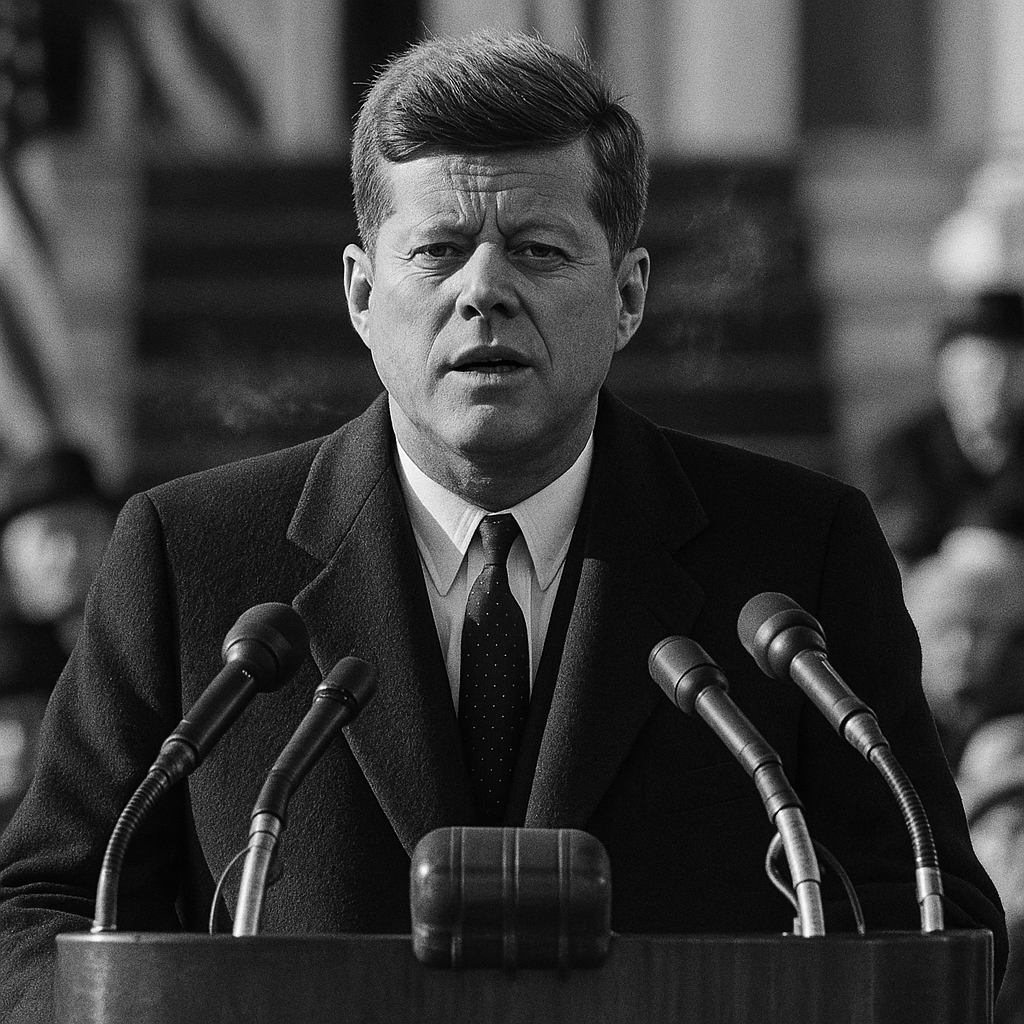
On January 20, 1961, John F. Kennedy delivered one of the most memorable inaugural addresses in American history. Within that speech lies a sentence that has echoed through decades, defining a generation’s resolve. The history of this powerful declaration—”Let every nation know, whether it wishes us well or ill, that we shall pay any price, bear any burden, meet any hardship, support any friend, oppose any foe to assure the survival and the success of liberty”—is rooted in the deep anxieties and bold aspirations of the Cold War. It was not just a collection of words; it was a clear and unwavering message to the world.
The Cold War Context: A Promise Forged in Crisis
To understand the quote, one must first understand the era. The year 1961 was a time of immense global tension. The United States and the Soviet Union stood as two superpowers locked in an ideological struggle. The threat of nuclear annihilation was a daily reality for many people. The so-called “domino theory” fueled fears that communism would spread from one nation to the next if left unchecked . This created a climate of suspicion and confrontation.
Kennedy’s predecessor, Dwight D. Eisenhower, had warned of the growing military-industrial complex. Meanwhile, the Soviet Union, led by Nikita Khrushchev, was aggressively promoting its communist model worldwide. Kennedy, as a young new leader, needed to project strength and determination. His words were a direct response to this global challenge. He aimed to reassure allies of America’s commitment while warning adversaries of its firm resolve. The speech was a strategic tool to establish his administration’s foreign policy from day one.
The History of This
Learn More About This Historical Period
To deepen your understanding of this historical period, consider these resources:
- An Unfinished Life: John F. Kennedy, 1917 – 1963
- JFK: Public, Private, Secret
- JFK: Coming of Age in the American Century, 1917-1956
- JFK and the Unspeakable: Why He Died and Why It Matters
- Profiles in Courage: JFK’s Pultizer Prize-Winning Classic
- John F. Kennedy: A Biography
- The House of Kennedy
- Five Days in November: In Commemoration of the 60th Anniversary of JFK’s Assassination
- JFK: Volume 1: John F Kennedy: 1917-1956
- Jacqueline Kennedy: Historic Conversations on Life with John F. Kennedy
- JFK Jr.: An Intimate Oral Biography
- JFK: The CIA, Vietnam, and the Plot to Assassinate John F. Kennedy
As an Amazon Associate, we earn from qualifying purchases.
Quote’s Creation
The inaugural address was a masterclass in political communication. While Kennedy was the principal author of his vision, he worked closely with his trusted speechwriter, Ted Sorensen. Their collaboration was legendary. Kennedy would outline his ideas and core themes, and Sorensen would help shape them into eloquent prose . The process involved numerous drafts and revisions, with both men carefully weighing every word for its potential impact.
The famous line drew inspiration from various historical sources. The rhythmic, parallel structure echoes the rhetoric of figures like Winston Churchill and Abraham Lincoln. The commitment to aid allies had deep roots in American foreign policy, particularly the post-World War II Marshall Plan. However, the final phrasing was uniquely Kennedy’s. It combined poetic cadence with the unyielding language of a commander-in-chief, creating a tone that was both idealistic and confrontational. This balance was intentional, designed to inspire hope while promising immense sacrifice.
A Line-by-Line Analysis of a Global Pledge
The quote’s power comes from its deliberate and escalating series of pledges. Each phrase builds upon the last, creating an overwhelming sense of commitment.
- “Pay any price, bear any burden, meet any hardship…” These first three clauses form a powerful triad. They signal an almost limitless dedication to the cause of liberty. The language is absolute, leaving no room for doubt. It told the world that America’s resources, both material and human, were on the table. This was a promise of endurance against any challenge, no matter the cost.
- “…support any friend, oppose any foe…” This part of the sentence clearly divides the world into two camps from the American perspective. It was a message of solidarity to allies in NATO and other friendly nations. It assured them of American protection and support. Simultaneously, it was an unambiguous warning to the Soviet Union and its satellite states. The message was simple: America would stand with its friends and stand against its enemies.
- “…to assure the survival and the success of liberty.” This final clause provides the ultimate justification for the immense sacrifices promised. The goal was not conquest or domination. Instead, Kennedy framed the struggle as a defensive one. The ultimate objective was the preservation and triumph of freedom. This positioned the United States as the global defender of a universal ideal, adding a moral dimension to its Cold War policies.
The Enduring History of This Famous Line
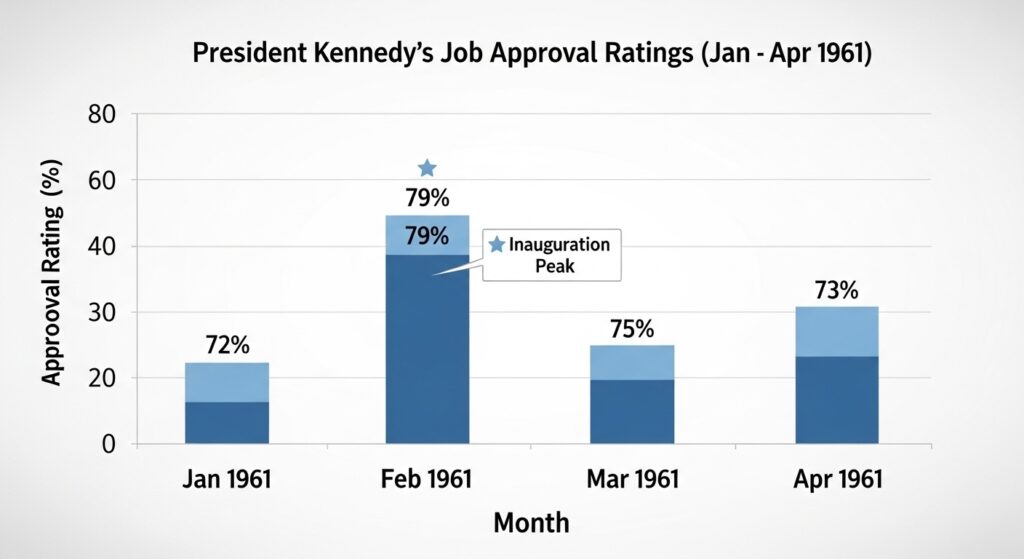
The quote’s legacy is complex and has been debated for over 60 years. In the immediate aftermath, Kennedy’s approval ratings soared. Many Americans felt a renewed sense of national purpose and pride. . The speech helped define the optimistic spirit of the “New Frontier.”
However, the pledge to “pay any price” was later viewed by some historians as a blank check for interventionism. Critics argue that this mindset contributed to the escalation of the Vietnam War . They suggest the absolute language may have locked the U.S. into conflicts without a clear exit strategy. The immense cost of that war—in lives and national treasure—forced later generations to reconsider the limits of such a broad commitment.
Despite these debates, the quote remains a powerful symbol of American idealism and resolve. It is frequently invoked by politicians and leaders to inspire action and rally support for foreign policy objectives. It speaks to a core belief in the importance of liberty and the willingness to defend it. The history of this quote serves as a timeless reminder of the power of words to shape world events and define a nation’s role on the global stage. It captures a specific moment in time while continuing to challenge and inspire us today.